
Flowers
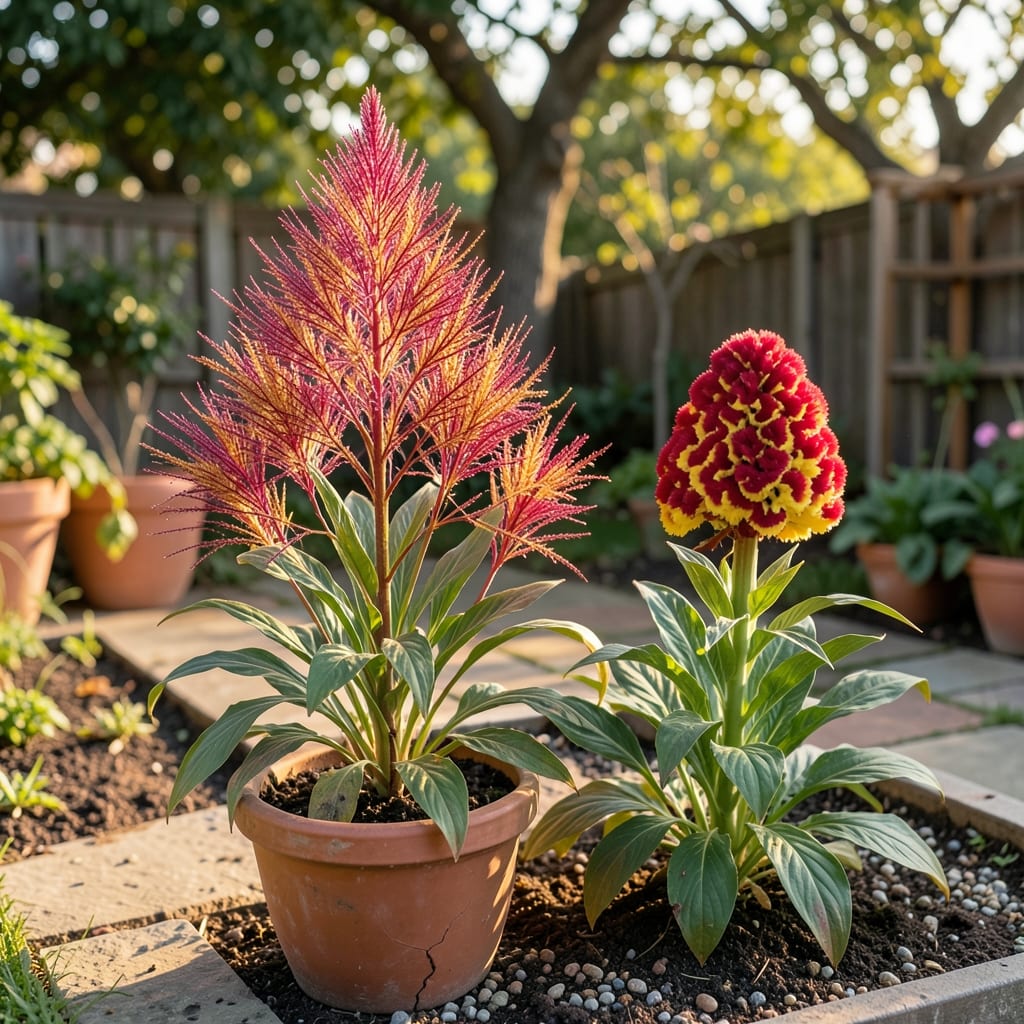
If you’ve ever wondered how tall these celosia do they grow, the answer might surprise you—these fiery flowers can range from compact 6-inch dwarfs to towering 3-foot giants, all depending on the variety and care you provide.
Picture this: delicate plumed celosia spilling over container edges or bold cockscomb types standing like tiny shrubs in your garden beds. The key to getting the height you want lies in choosing the right variety and giving them the perfect growing conditions.
In this guide, I’ll break down the height differences between dwarf, medium, and giant celosia varieties, plus pro tips for controlling their growth through pruning and spacing. Whether you’re working with limited space or dreaming of dramatic floral statements, you’ll learn exactly how to shape your celosia to fit your vision.
Ready to transform your garden? Let’s dive into the secrets of growing celosia at just the right height—without any guesswork.

Celosia height by variety: dwarf, medium, and giant types explained
Celosia plants offer a stunning range of heights, making them perfect for everything from window boxes to bold garden backdrops. The dwarf varieties typically reach just 6–12 inches, ideal for container gardens or edging borders. These compact types, like 'Impala' or 'Tom Thumb', produce vibrant plumes without overwhelming small spaces. On the opposite end, giant varieties can soar to 36 inches or more, creating dramatic focal points in mixed beds.
Most gardeners grow medium-height celosia (12–24 inches), which balances versatility and impact. Popular choices like 'Cockscomb' varieties (e.g., 'Bright Lights') thrive in both pots and garden plots, while plumed types such as 'Fantasy' add airy texture to arrangements. Understanding these height ranges helps you plan spacing and companion plants effectively.
Here’s how celosia varieties compare in terms of mature height and growth habits:
| Variety Type | Mature Height | Growth Habit | Best Uses |
|---|---|---|---|
| Dwarf (e.g., 'Tom Thumb') | 6–12 inches | Compact, bushy | Containers, window boxes, fairy gardens |
| Medium (e.g., 'Bright Lights') | 12–24 inches | Upright, spreading | Borders, mixed beds, cut flowers |
| Giant (e.g., 'Crimson Plume') | 24–36+ inches | Tall, sturdy stems | Backdrop plants, tall arrangements, focal points |
| Plumed (e.g., 'Fantasy') | 18–30 inches | Feathery, airy | Dried arrangements, bouquets, cottage gardens |
The Cockscomb celosia (e.g., 'New Look') often grows taller than plumed types, reaching up to 3 feet with proper care. These varieties develop their signature velvety, brain-like blooms, which make them stand out in summer gardens. For plumed celosia, expect 18–30 inches of feathery stems that add movement and texture to landscapes.
When selecting celosia for containers, prioritize dwarf or semi-dwarf varieties to prevent overcrowding. A 12-inch pot can comfortably hold a 6-inch celosia, while a 16-inch container accommodates 18-inch varieties. For in-ground planting, space medium-height celosia 12–18 inches apart to allow airflow and reduce disease risk.
Light exposure plays a crucial role in height regulation. Celosia grown in full sun (6+ hours daily) tends to mature 10–20% taller than those in partial shade. However, too much shade can lead to leggy, weak stems and reduced bloom production. If your garden lacks direct sunlight, opt for shade-tolerant varieties like 'Century', which max out at 18 inches even with less light.
Pruning young celosia plants encourages bushier growth and prevents them from growing too tall too quickly. Simply pinch off the top set of leaves when the plant reaches 6 inches tall. This redirecting energy to side shoots, resulting in a fuller, more compact plant. For tall varieties, consider staking or using cage supports to maintain upright growth without flopping.
Pro tip: If you’re growing celosia for cut flowers, harvest stems when half the blooms open to extend vase life. Cutting back giant varieties by one-third after the first flush of flowers encourages a second round of blooms later in the season.
Celosia height by variety: dwarf, medium, and giant types explained
Choosing the right celosia variety is the first step to controlling height in your garden. Dwarf types like 'Impala' or 'Tom Thumb' stay between 6–12 inches, perfect for window boxes or fairy gardens. These compact beauties thrive in containers and won’t overwhelm small spaces.
Medium-height varieties, such as 'Crimson Plume' or 'Atomic Red', reach 12–24 inches at maturity. These are ideal for border plantings or mixed containers where you want height without dominance. Their upright growth habit makes them excellent cut flowers too.
| Variety Type | Height Range | Best Uses | Growth Habit |
|---|---|---|---|
| Dwarf Celosia | 6–12 inches | Containers, window boxes, fairy gardens | Spreading |
| Medium Celosia | 12–24 inches | Border plantings, cut flowers, mixed containers | Upright |
| Giant Celosia | 24–36+ inches | Back of borders, focal points, dried arrangements | Tall and bushy |
For dramatic impact, giant varieties like 'Cockscomb' or 'Plumed Celosia' can grow 24–36 inches tall. These bold types are perfect for the back of borders or as striking focal points. Their woody stems make them excellent for dried flower arrangements, preserving their fiery colors long after cutting.
Sunlight plays a crucial role in height control. While all celosia varieties love full sun (6+ hours daily), giants may stretch taller in partial shade due to leggy growth. To keep them compact, ensure they receive adequate light and space them 12–18 inches apart for optimal airflow and bushiness.
Pro tip: If you’re growing celosia in containers, choose dwarf varieties or prune regularly to prevent overcrowding. Smaller pots (8–12 inches wide) work best for compact types, while larger containers (14+ inches) can accommodate medium to giant varieties with proper support.
For the boldest statements, mix varieties in the same bed. Place dwarf types in front, medium varieties in the middle, and giants at the back. This layered approach creates depth and draws the eye through your garden design.