
Size
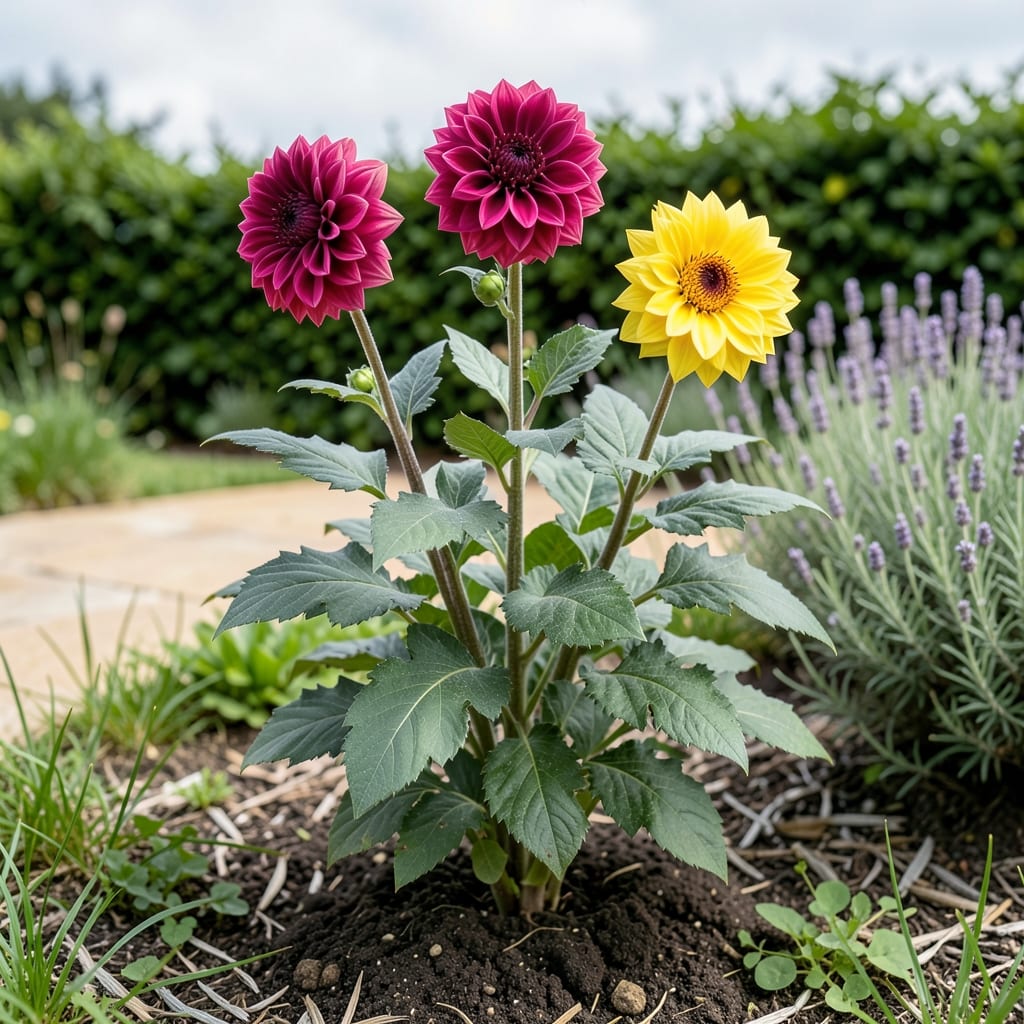
Want to know how tall your dahlias will grow this season? The answer isn't one-size-fits-all—some varieties reach towering heights of 7 feet, while others stay compact at just 8 inches. Whether you're planning a backyard garden or container displays, understanding these differences is the key to creating the perfect floral show.
Dahlias aren't just pretty faces—they're architectural stars that transform your garden from flat to fabulous. But their growth patterns depend on more than just genetics. Sunlight, soil quality, and even your pruning habits play huge roles in determining how tall your 🌼 dahlias will become.
If you're growing in USDA Zone 6a, timing is everything. Planting in April-May gives your dahlias the best start, but their height progression from seedling to full bloom is a journey worth tracking. We'll show you exactly what to expect each month and how to give your plants the support they need to reach their full potential.
Ready to turn your garden into a vertical masterpiece? Let's break down the height variations by variety, seasonal growth patterns, and the simple care tips that make all the difference. Your dahlias' final height might surprise you!

Dahlia height by variety: from compact to towering giants
Dahlias come in a staggering array of sizes, from petite dwarf varieties that fit perfectly in window boxes to giant dinnerplate dahlias that reach heights of 7 feet or more. The variety you choose isn't just about aesthetics—it directly impacts your garden layout, support needs, and even blooming patterns. For example, spider dahlias often grow taller but produce fewer blooms than their bushier cousins.
Understanding these height categories helps you plan your garden like a pro. A standard variety like 'Café au Lait' can soar to 5-6 feet, while a semi-dwarf like 'Bishop' stays a manageable 2-3 feet. Even within categories, individual plants can vary by 1-2 feet based on growing conditions. My own 'Thomas Edison' dahlias once hit 6.5 feet in a sunny spot, but the same variety in partial shade maxed out at 4 feet.
Here's the key: height correlates with bloom size and plant structure. Tall varieties often have longer stems but may need staking, while dwarf types pack big blooms in a small footprint. The right choice depends on your space, sunlight, and whether you prioritize height or abundance.
🌱
| Category | Height Range | Examples | Best For |
|---|---|---|---|
| Dwarf | 8-18 inches | 'Mignon' series, 'Tom Thumb' | Containers, borders, window boxes |
| Semi-Dwarf | 1.5-3 feet | 'Bishop', 'Café au Lait' | Front of beds, mixed borders |
| Standard | 3-5 feet | 'Karma Choc', 'Happy Single' | Back of borders, cut flower gardens |
| Tall | 5-7 feet | 'Thomas Edison', 'Arabian Night' | Cutting gardens, tall borders |
| Giant | 6-8+ feet | 'Black Narcissus', 'Galaxy' | Specimen plants, dramatic focal points |
⚠️ Pro Tip: Measure your dahlias monthly—they can grow 1-2 inches per week in ideal conditions!
One common misconception is that all tall dahlias need the same support. Spider dahlias, for instance, grow 4-6 feet but have delicate stems that need bamboo stakes or tomato cages, while ball dahlias like 'Bressingham Ruby' stay 3-4 feet but have sturdy stems that often don't need extra support. I've seen gardeners struggle when they assume all tall varieties need heavy-duty cages—only to find their pompon dahlias topple over from the weight of their own blooms.
Another factor is bloom size vs. height. A dinnerplate dahlia like 'Arabian Night' might only reach 5 feet but produces 10-inch blooms, while a small-flowered variety like 'Fireball' can hit 6 feet with 3-inch blooms. If you're growing for cut flowers, taller varieties often yield longer stems, but if you want immediate impact, dwarf varieties deliver big blooms in small spaces.
For container growing, dwarf and semi-dwarf varieties are your best bet. A 12-inch pot can comfortably hold a 1.5-foot dahlia, while a 5-gallon container can support 2-3 foot varieties. I once grew 'Bishop' in a hanging basket—yes, it worked! The secret was using a self-watering planter and regular pruning to control height. Just avoid tall varieties in containers unless you're prepared for weekly staking and potential root-bound stress.
🌿
Seasonal height growth: when and how fast dahlias reach their peak
Dahlias don't grow at a steady pace—they follow a seasonal growth curve that accelerates dramatically after June 1st. In my USDA Zone 6a garden, a standard variety like 'Karma Choc' might only reach 6 inches by early June, but by mid-July, it can shoot up 2-3 inches per week during peak growth. This rapid ascent is why tracking monthly progress is essential for planning.
The first 60 days after planting are all about root and foliage development. Your dahlia will focus on building a sturdy base rather than vertical growth. During this phase, I measure my plants weekly—dwarf varieties often hit half their mature height by late June, while tall varieties may still be under 2 feet. This is also when pruning mistakes become most visible.
🌱
- 🌱 April-May: 0-6 inches (tuber sprouting, first true leaves appear)
- 🌿 June: 6-18 inches (rapid foliage growth, first buds form)
- ☀️ July-August: 18-48+ inches (peak vertical growth, 1-2 inches per week)
- 🌼 September: Mature height reached (blooming slows, plant prepares for dormancy)
⚠️ Growth Tip: Dahlias grow fastest when soil temps stay above 65°F!
Three key factors determine how quickly your dahlias reach their peak height: sunlight exposure, soil fertility, and water consistency. I once grew 'Arabian Night' in two identical containers—one got full sun while the other had partial shade. By August 15th, the sunny plant hit 6 feet, while the shaded one maxed out at 3.5 feet. Even a 2-hour difference in sunlight can create 1-foot height variations by season's end.
Soil plays an equally critical role. Dahlias thrive in well-draining, nutrient-rich soil with a pH between 6.0-7.0. I recommend amending your planting area with compost and a balanced 5-10-10 fertilizer at planting, then top-dressing with compost tea every 4 weeks during the growing season. My tall varieties consistently outperform others when grown in raised beds with extra organic matter—they hit their mature height 2-3 weeks earlier than in regular garden soil.
Watering habits make or break seasonal height potential. Dahlias need consistent moisture—never soggy, never dry. I water mine deeply every 3-5 days in summer, aiming for 1-2 gallons per plant in the early morning. The key is encouraging deep root growth rather than surface watering. When I accidentally let my 'Thomas Edison' dahlias dry out in July's heat, their growth stalled for 10 days before recovering. Proper watering keeps them on track to reach their full mature height by mid-September.
🌿
Tracking your dahlias' height progression is easier than you think. Simply mark their main stem with a measuring tape at planting, then check monthly. For tall varieties, I use a retractable measuring tape tied to the plant stake. By August 1st, you should see:
- Dwarf varieties: 75% of mature height
- Standard varieties: 50-75% of mature height
- Tall varieties: 30-50% of mature height