
Trees
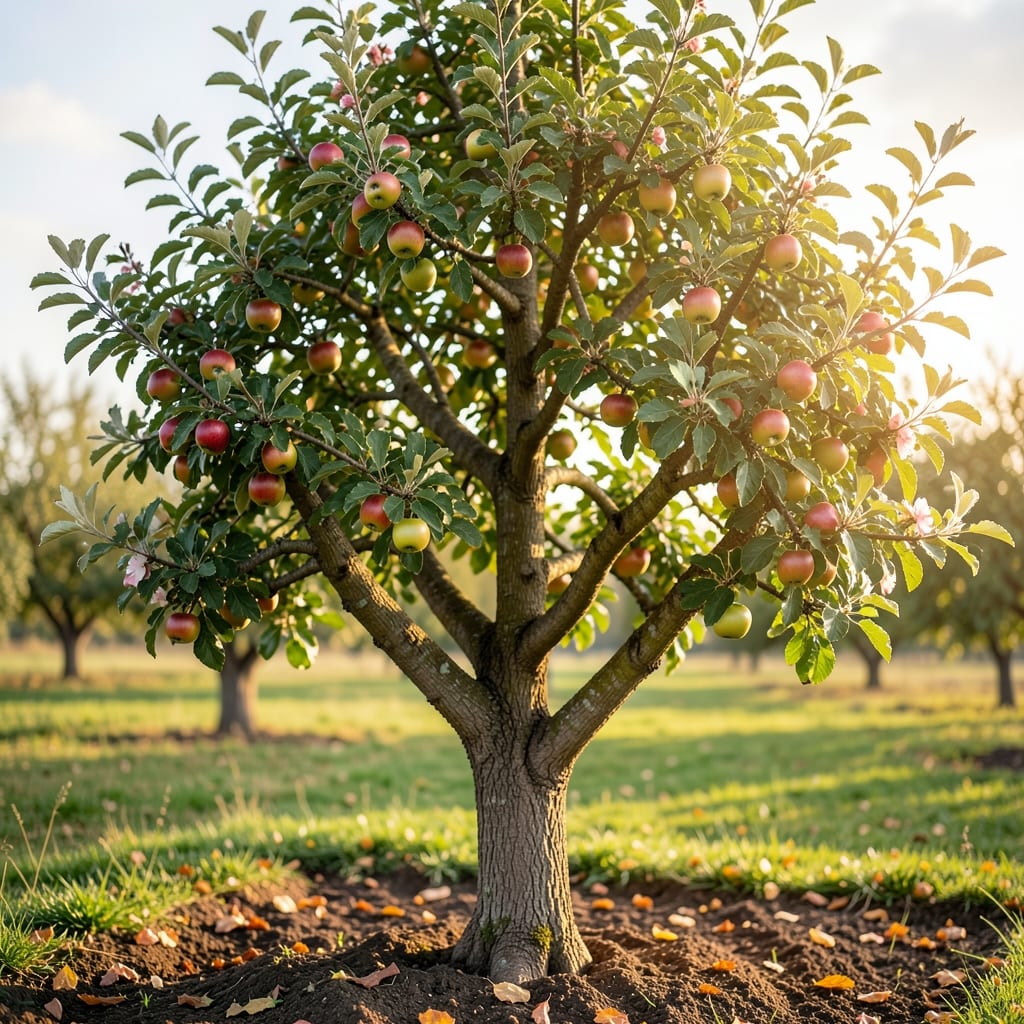
If you've ever wondered how tall apple trees grow and whether your backyard can handle one, the answer might surprise you. A standard 🍎 apple tree can tower over 25 feet, while dwarf varieties stay compact enough for containers—meaning you don’t need acres to grow your own fruit.
Choosing the right size isn’t just about space; it’s about balancing growth potential with your garden’s reality. Dwarf trees mature in 8-12 feet, semi-dwarfs reach 12-18 feet, and full-size varieties stretch toward the sky. But here’s the catch: their height depends on more than just genetics—soil, pruning, and climate all play a role.
In this guide, I’ll break down the science behind apple tree heights, share space-saving varieties perfect for small gardens, and teach you how to control growth naturally. Whether you’re dreaming of a 6-foot columnar tree or a classic 30-foot giant, you’ll leave here knowing exactly how to make it work.
Ready to transform your yard into a fruit-bearing paradise? Let’s dive into the details so you can pick the perfect apple tree—and the perfect spot—for your space.


Apple tree height variations: from dwarf to standard sizes
The height of an apple tree isn’t just about how much space you have—it’s about the rootstock you choose. Rootstock determines whether your tree will stay compact or reach for the sky. For example, a dwarf apple tree on M.9 rootstock tops out at 8-12 feet, while a standard tree on seedling rootstock can soar to 20-30 feet. Understanding these differences is key to picking the right tree for your garden.
Most apple trees follow a predictable growth pattern: 2-4 feet in their first year, 6-10 feet by year two, and 10-15 feet by year three. However, this timeline can shift based on climate, soil quality, and care. In warmer regions, growth may accelerate, while cooler zones might slow it down. The right rootstock can even adjust this timeline to fit your needs.
Here’s the game-changer: columnar apple trees like ‘Columnar Red Delicious’ stay under 6-8 feet tall but produce fruit just like their taller cousins. They’re perfect for urban gardens or small backyards. Meanwhile, semi-dwarf varieties on MM.106 rootstock reach 12-18 feet, offering a middle ground between compact and full-size trees.
If you’re dreaming of a classic apple orchard look, standard trees are the way to go—but they require ample space and regular pruning to manage their height. The trade-off? They often produce larger fruit and more abundant harvests. For container gardening, look for dwarf varieties like ‘Anna’ or ‘Liberty,’ which thrive in 15-25 gallon pots.
🌱
| Type | Rootstock | Mature Height | Growth Rate | Best For |
|---|---|---|---|---|
| Dwarf | M.9, B.9 | 8-12 ft | Fast (first fruit in 2-3 years) | Containers, small yards |
| Semi-Dwarf | MM.106, MM.111 | 12-18 ft | Moderate (first fruit in 3-4 years) | Backyards, larger containers |
| Standard | Seedling | 20-30 ft | Slow (first fruit in 5-7 years) | Orchards, large properties |
| Columnar | Specialized (e.g., M.26) | 6-8 ft | Very fast (first fruit in 1-2 years) | Urban gardens, patios |
Soil quality plays a huge role in how tall your apple tree grows. Well-draining, slightly acidic soil (pH 6.0-7.0) encourages healthy root development, which in turn supports stronger above-ground growth. If your soil is heavy clay or sandy, amending it with compost or organic matter can help your tree reach its full potential height—or stay compact if that’s your goal.
Climate also affects height. In warmer zones (USDA 8-10), apple trees grow faster and may need more frequent pruning to control size. In cooler climates (USDA 4-6), growth slows, but trees often live longer and produce fruit for decades. If you’re in a short growing season, choose early-bearing varieties like ‘McIntosh’ or ‘Golden Delicious’ to maximize fruit production.
Pruning isn’t just about shaping your tree—it’s a tool to control height. Regular pruning in late winter or early spring can keep a dwarf tree from outgrowing its space or encourage a standard tree to grow taller. For example, cutting back water sprouts (shoots growing vertically) redirects energy to lateral branches, creating a fuller, more manageable shape.
🌳
One common misconception is that apple trees grow continuously without bound. In reality, most varieties reach a mature height within 5-10 years, after which growth slows significantly. However, without proper care, even dwarf trees can become unruly. For instance, a ‘Liberty’ apple tree on M.9 rootstock might start at 8 feet but can stretch to 12 feet if not pruned regularly.
If you’re still unsure about which size to choose, consider your long-term goals. Do you want a tree that fits in a
Apple tree height variations: from dwarf to standard sizes
The height of apple trees depends entirely on their rootstock type, which controls both size and growth rate. Dwarf varieties, like those grafted onto M.9 rootstock, mature between 8-12 feet, while standard trees on seedling rootstock can soar to 20-30 feet. Semi-dwarf trees strike a balance at 12-18 feet, making them ideal for medium-sized yards.
Rootstock also affects how quickly a tree grows. A dwarf apple tree might reach 6 feet in 3 years, while a standard tree could take 10+ years to reach maturity. This difference is critical for gardeners with limited space or patience. For example, columnar varieties like 'Wijcik' stay under 8 feet but produce fruit just like their taller cousins.
🌱
| Type | Rootstock | Mature Height | Growth Rate |
|---|---|---|---|
| Dwarf | M.9, B.9 | 8-12 ft | Fast (6 ft in 3 yrs) |
| Semi-Dwarf | M.7, MM.106 | 12-18 ft | Moderate (10 ft in 5 yrs) |
| Standard | Seedling | 20-30 ft | Slow (15 ft in 10 yrs) |
| Columnar | Specialized | 6-8 ft | Very Fast (5 ft in 2 yrs) |
Climate and soil quality also influence height. Trees in rich, well-draining soil with full sun exposure grow faster than those in poor conditions. For instance, a dwarf apple tree in USDA Zone 5 might stay shorter than one in Zone 8 due to slower seasonal growth. Always check your local climate zone before selecting a variety.
Pruning plays a surprising role too. Even standard apple trees can be kept manageable with regular pruning, while dwarf varieties may need staking for support as they grow. The key is balancing natural growth with your garden’s constraints—whether that means choosing a 6-foot columnar or training a standard tree along a fence.
🌳
If you’re unsure which size to pick, start with a semi-dwarf tree—they offer a happy medium between manageable height and high fruit production. And remember, even the tallest trees can be shaped with patience and the right tools. Your perfect apple tree is just a rootstock choice away!