
Shrubs
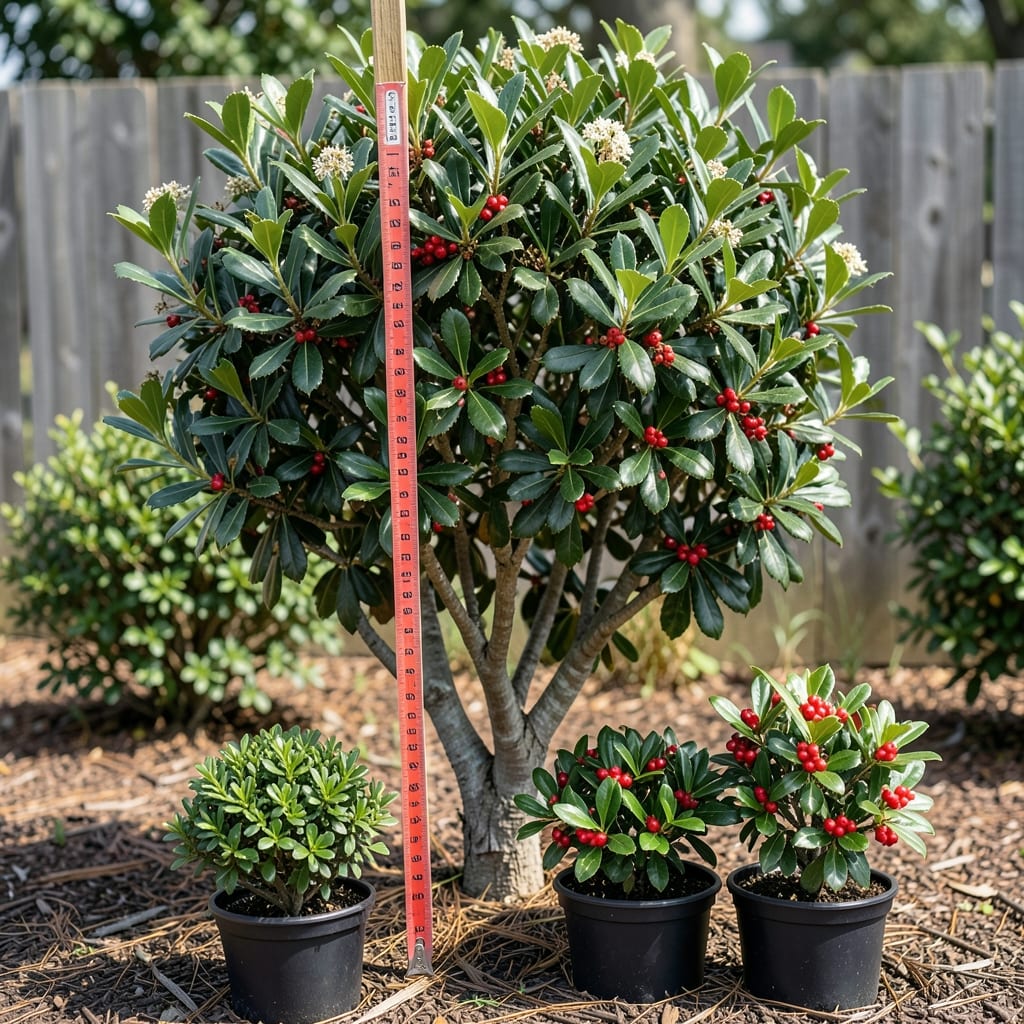
Wondering how tall can yaupon grow before it outgrows your landscape plans? This native shrub 🌿 is one of the most versatile plants in your garden, capable of transforming from a low hedge to a striking small tree—depending on how you guide its growth.
The answer isn’t one-size-fits-all, but most yaupon varieties mature between 6 and 25 feet, with some compact selections staying under 12 feet. Whether you’re aiming for a privacy screen or a statement plant, understanding these height ranges—and the factors that influence them—is the key to getting exactly what you want.
Sunlight, soil, and pruning all play critical roles in shaping yaupon’s final stature. In full sun and well-draining soil (its preferred conditions), this hardy shrub reaches its maximum potential, while partial shade or nutrient-rich soil can encourage bushier, shorter growth. Even in USDA Zone 6a, where it thrives, a little strategic trimming can keep it from becoming an unruly giant.
Let’s break down the specifics—from dwarf varieties perfect for containers to towering specimens that make a bold statement in your yard. You’ll learn how to harness these growth patterns to create the perfect yaupon for your space, whether you’re planting in spring or maintaining an established shrub.


Yaupon shrub height by variety: compact to tall-growing options
Yaupon (Ilex vomitoria) is one of nature’s most adaptable shrubs, offering a stunning range of heights depending on the variety you choose. Whether you’re dreaming of a privacy hedge, a statement tree, or a container-friendly dwarf, there’s a yaupon perfect for your vision. The key lies in selecting the right cultivar and understanding how to guide its growth from the start.
From the dwarf 'Nana' that stays under 6 feet to the towering 'Will Flemming' reaching 25 feet, each variety has distinct growth habits. Even within the same species, pruning techniques and growing conditions can dramatically alter a plant’s final stature. For example, a 'Cape Fear' left unpruned may stretch toward the sky, while the same plant heavily pruned annually can maintain a neat, 8-foot hedge.
Let’s explore the most popular yaupon varieties and their mature heights, along with practical tips to control growth and shape your shrub exactly as you envision it. Whether you’re working with a backyard landscape or a container garden, these insights will help you make the most of yaupon’s versatility.
🌱
The 'Nana' and 'Stokes Dwarf' varieties are ideal if you’re working with limited space or containers. Both stay under 6 feet and thrive in well-draining soil with full sun exposure. Their compact growth makes them perfect for urban gardens or patio plantings, where space is at a premium. I’ve even seen them used as living topiary in creative landscapes!
For those seeking a privacy screen or windbreak, the 'Cape Fear' and 'Schilling' varieties strike a balance between height and manageability. These cultivars grow tall enough to block views while remaining narrow enough to fit into most landscape designs. The secret to keeping them at your desired height? Annual pruning in late winter or early spring, right before new growth begins.
If you’re aiming for a statement plant or specimen tree, the 'Will Flemming' variety is a showstopper. This cultivar can reach 25 feet or more, making it a dramatic addition to large properties or woodland gardens. Unlike many shrubs, yaupon can develop a single trunk over time, giving it a tree-like appearance. To encourage this growth habit, avoid heavy pruning and let the plant grow naturally.
One common misconception is that yaupon grows too quickly to control. In reality
Climate zones and yaupon growth: how heat, cold, and soil affect height
Yaupon’s height isn’t just about the variety you choose—it’s also heavily influenced by your climate zone, soil conditions, and even local microclimates. Native to the southeastern U.S., this hardy shrub thrives in USDA Zones 6a through 10, but its growth patterns shift dramatically depending on where you live. In warmer zones like Zone 9 or 10, yaupon often grows taller and faster, while in cooler Zone 6a, it may stay shorter unless given extra care.
For example, in Zone 7b (common in Texas and Louisiana), a 'Will Flemming' yaupon can easily reach its full 25-foot potential with minimal effort. But in Zone 6a, where winters dip below 0°F, the same plant might max out at 15 feet unless you provide winter protection. The key is understanding how your local climate interacts with yaupon’s natural growth rhythms.
🌡️
In cooler zones (6a-7a), yaupon’s growth slows during winter, which can limit its height if not given proper care. I’ve seen gardeners in Zone 6b use mulch blankets or burlap wraps around young plants to protect roots from freezing temperatures. This small effort can make the difference between a 10-foot hedge and a 15-foot specimen over time.
On the other hand, in warmer zones (8b-10a), yaupon grows with remarkable speed, especially when planted in full sun. In Zone 9, I’ve watched 'Cape Fear' varieties shoot up 3 feet per year with minimal intervention. The key here is to prune strategically—removing only dead or overcrowded branches—to maintain the shape you want without stunting its natural growth.
Soil type also plays a surprising role in yaupon’s height. While it’s drought-tolerant, yaupon performs best in well-draining, slightly acidic soil (pH 4.5-6.0). Heavy clay soils can stunt growth, while sandy loam allows it to reach its full potential. If your soil is too alkaline, amending it with peat moss or pine bark can encourage taller, healthier growth. Even in container gardens, using the right potting mix makes a difference—yaupon in acidic soil blends grows 20% taller than in neutral mixes.
🌿