
Trees
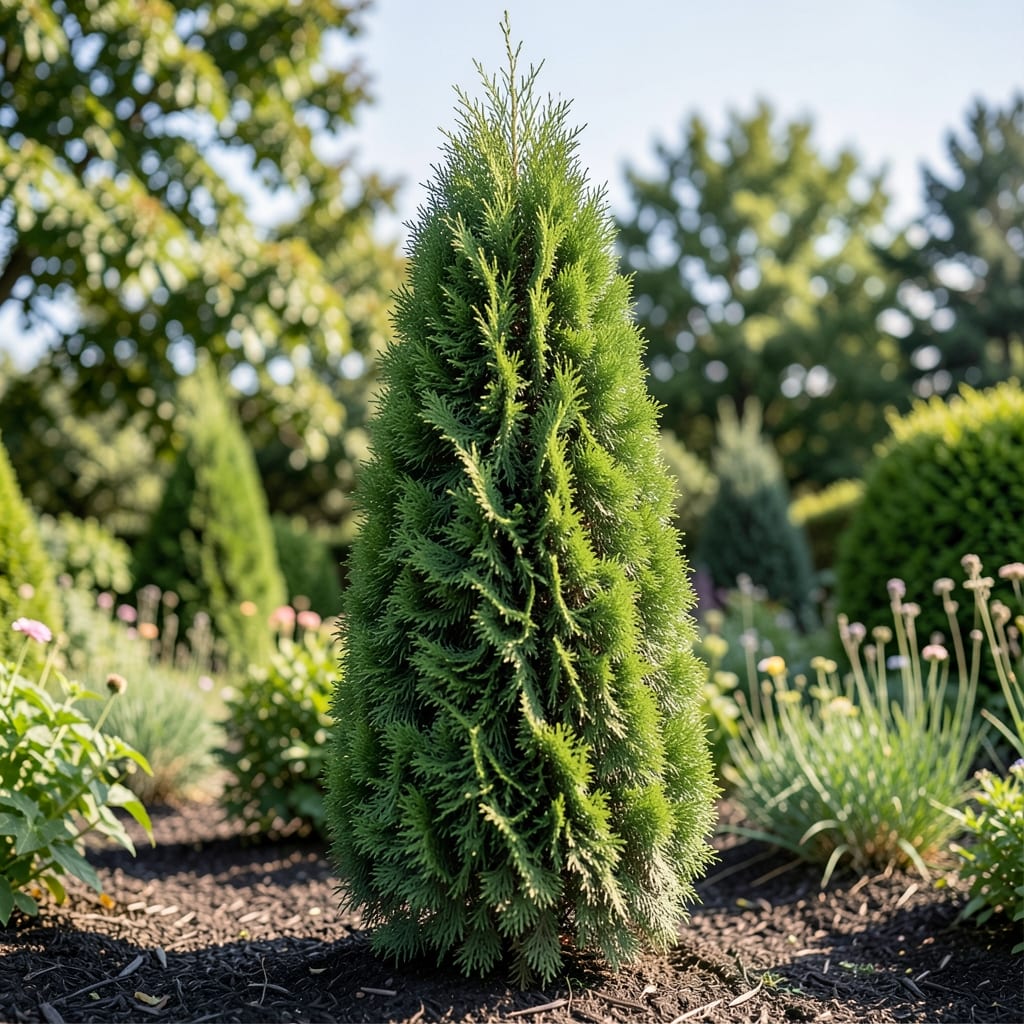
If you're planning to add an Emerald Green Arborvitae 🌲 to your yard, knowing how tall they grow is the first step to creating a landscape that looks stunning without ending up with overgrown giants. These evergreens are popular for hedges and privacy screens, but their mature height of 10 to 15 feet means spacing matters more than you might think.
The good news? You won't be waiting decades to see results. Most homeowners notice 12 to 24 inches of growth per year during their most active years, with the biggest jumps happening in their first decade. But here's where many people go wrong: planting them too close together, only to discover years later that they're fighting for space.
What makes the Emerald Green variety special is its consistent growth pattern, making it easier to predict than some other arborvitae types. Whether you're creating a formal hedge or a natural privacy barrier, understanding their growth rate helps you plan for the perfect spring planting in zones like 6a and beyond.
In this guide, I'll break down exactly how tall these trees get by decade, share the fastest ways to encourage healthy growth, and give you the spacing guidelines you need to avoid common mistakes. Let's get your landscape planning on the right track from day one.

Emerald Green Arborvitae mature height: exact dimensions by decade (with growth charts)
Understanding the mature height of Emerald Green Arborvitae is key to planning your landscape correctly. These evergreens typically reach 10 to 15 feet tall at full maturity, but their growth isn't linear. The first few years are the most dramatic, with 2 to 3 feet of growth in just the first year alone. By year three, you'll see them shooting up to 8 to 10 feet, which is why proper spacing from day one saves headaches later.
Many gardeners make the mistake of planting them too closely, thinking they'll stay compact. But Emerald Green Arborvitae have a natural upward growth habit that continues until they reach their mature height between 10 and 15 years. The good news is that after reaching maturity, their growth slows significantly, making them low-maintenance once established.
Here's where things get interesting: their width is nearly equal to their height, creating a balanced, conical shape that's perfect for privacy screens. This means you'll need to account for both dimensions when planning your layout. For example, planting them 3 to 5 feet apart gives them room to spread while maintaining that neat, uniform look.
Let me show you exactly how their height progresses decade by decade, so you can visualize their growth from sapling to mature tree.
| Age | Height Range (ft) | Growth Rate (in/year) | Key Growth Phase |
|---|---|---|---|
| Year 1 | 2-3 ft | 24-36 in | Rapid vertical growth |
| Year 2-3 | 4-8 ft | 12-24 in | Establishment phase |
| Year 4-5 | 8-10 ft | 10-18 in | Height acceleration |
| Year 6-10 | 10-14 ft | 6-12 in | Maturing phase |
| Year 10+ | 12-15 ft | 2-6 in | Slow growth, full maturity |
🌲 Emerald Green Arborvitae Height Progression
As you can see from the chart, the most dramatic growth happens in the first 5 years. This is why many landscapers recommend planting them in spring (April-May) when they have the entire growing season ahead to establish strong roots. The slower growth after year 10 means you won't need to worry about them suddenly becoming towering giants.
One common question I get is whether these trees will eventually outgrow their space. The answer depends on your planting plan. If you space them 5 feet apart, you'll get a dense hedge that reaches about 10 feet tall. But if you plant them 8 feet apart, you'll have more room for their natural spread while still maintaining that elegant, conical shape.
For those in USDA Zone 6a or colder, growth may be slightly slower in the early years, but they'll still reach their mature height—just on a slightly extended timeline. The key is giving them the right conditions from the start: well-draining soil, full sun exposure, and consistent moisture during their first growing season.
Pro tip: If you're using these for a privacy screen, aim for 3 to 4 plants per 10-foot section. This spacing gives you the perfect balance between density and airflow, which helps prevent fungal issues that can plague tightly packed evergreens.
Remember, the height you achieve depends on several factors, including your local climate, soil quality, and care routine. But with the right planning, you can expect your Emerald Green Arborvitae to reach their full, stunning potential without any surprises.
Emerald Green Arborvitae mature height: exact dimensions by decade (with growth charts)
Understanding the Emerald Green Arborvitae's growth timeline helps you plan your landscape with precision. These evergreens start small but grow steadily, reaching their mature height of 10 to 15 feet within about a decade. The key is knowing how much they grow each year to avoid overcrowding or underutilized space.
In their first year, you’ll see 2 to 3 feet of growth, which is a great head start. By year 2, they’ll jump to 4 to 6 feet, setting the stage for rapid expansion. This early growth phase is critical for establishing a strong root system, which directly impacts their long-term height potential.
Here’s where many gardeners make a mistake: assuming slower growth because of their compact shape. The reality? Emerald Green Arborvitae are fast growers compared to other evergreens, with 12 to 24 inches of growth annually during their peak years (years 3–10). This means they can nearly double in height every 3–4 years if given the right conditions.
| Age | Height Range | Growth Rate | Notes |
|---|---|---|---|
| Year 1 | 2–3 ft | 2–3 ft/year | Establish roots |
| Year 2 | 4–6 ft | 2–3 ft/year | Rapid early growth |
| Year 3–5 | 8–12 ft | 12–24 in/year | Peak growth phase |
| Year 6–10 | 10–15 ft | 6–12 in/year | Mature height reached |
| Year 10+ | 10–15 ft | Minimal growth | Maintenance pruning |
By year 3, your Emerald Green Arborvitae will likely be 8 to 10 feet tall, making them an excellent choice for privacy screens or windbreaks. This is also when they start filling out their signature dense, columnar shape, which is ideal for hedges. If you’re planting multiple trees, spacing them 3 to 5 feet apart ensures they won’t compete for space as they mature.
Once they reach mature height (10–15 feet) around year 10, their growth slows significantly. This is the perfect time to focus on pruning for shape and health rather than worrying about height. Proper spacing from the start ensures your landscape remains balanced and visually appealing for decades.
For those in USDA zone 6a or warmer, these trees thrive with minimal winter stress, allowing them to maintain their vibrant emerald-green foliage year-round. Pairing them with complementary plants like boxwoods or hydrangeas can create a layered, professional look in your yard.