
How To
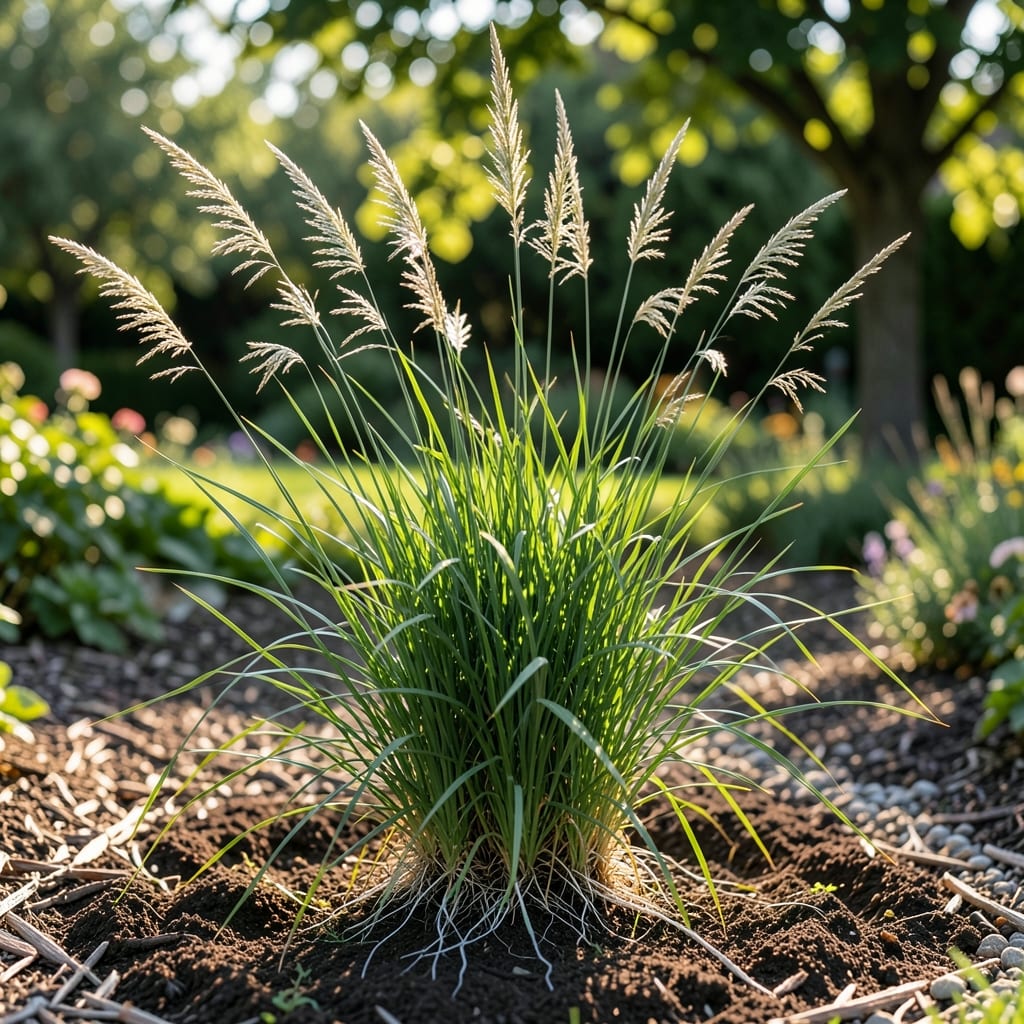
Wondering how long does tall fescue take to grow into that thick, vibrant lawn you’ve been dreaming of? The answer isn’t as simple as a one-size-fits-all timeline—it depends on your climate, soil prep, and how much TLC you’re willing to give it. But here’s the good news: with the right approach, you can accelerate the process and avoid those frustrating slowdowns.
From the first tiny sprouts peeking through the soil to a fully established lawn, tall fescue 🌱 typically takes 3 to 6 months to show real progress, but full maturity can stretch to a year or more. That’s why understanding each growth stage—germination, root development, and fill-in—is the key to setting realistic expectations and troubleshooting delays before they happen.
Let’s break down what to expect month by month, including how to optimize conditions for faster growth. Whether you’re seeding in spring or fall, these insights will help you avoid common mistakes—like overwatering or seeding too deep—that can stall your lawn’s progress.
Ready to transform your yard into a lush, low-maintenance oasis? I’ll walk you through everything you need to know to get your tall fescue off to the fastest, healthiest start possible.


Tall fescue growth timeline: month-by-month development stages
Understanding the tall fescue growth timeline helps you track progress and adjust care as needed. Unlike fast-growing annuals, tall fescue is a cool-season perennial with a slower but steadier development curve. The journey from seed to thick turf typically spans 6 to 18 months, depending on conditions. Let’s break it down into clear stages so you know what to expect—and when to intervene.
First, the germination phase (weeks 1–4) is where it all begins. After sowing seeds ¼-inch deep in moist, warm soil (ideal temps: 60–75°F), you’ll see the first sprouts in 7–21 days. This stage is the most critical—consistent moisture is non-negotiable. Too little water, and seeds dry out; too much, and they rot. Aim for light, frequent watering (like a daily mist) until sprouts appear.
Once sprouts emerge, the seedling phase (weeks 4–8) kicks in. Tiny blades will grow rapidly, but they’re still fragile. Here’s where sunlight exposure becomes crucial: 6+ hours of full sun daily fuels growth, while shade slows it down. Avoid mowing until blades reach 3–4 inches tall—this prevents scalping and promotes root development.
By month 2 (weeks 8–12), your lawn enters the establishment phase, where roots deepen and blades thicken. This is when you’ll notice competition between grass plants, so thin areas may appear. To fill gaps, consider overseeding or adjusting watering to encourage spread. A light fertilizer application (10-10-10 NPK) can also boost growth without burning delicate seedlings.
Here’s a quick visual guide to track your tall fescue’s progress through each stage:
| Stage | Timeframe | Key Milestones | Critical Care |
|---|---|---|---|
| Germination | 7–21 days | First sprouts appear | Daily light watering, 60–75°F soil |
| Seedling | 4–8 weeks | Blades reach 3–4 inches | Full sun, no mowing, weekly water |
| Establishment | 2–6 months | Roots deepen, gaps appear | Light fertilizer, overseed thin spots |
| Maturity | 6–18 months | Full coverage, dense turf | Regular mowing, seasonal feeding |
At 6 months, you’ll likely see noticeable improvement, but full coverage can take up to 18 months in cooler climates. The first frost in fall can slow growth temporarily, but tall fescue’s deep roots keep it resilient. By month 12, your lawn should be 70–80% covered, with dense patches filling in over time. Patience is key—rushing mowing or fertilizing too early can set back progress.
One common misconception is that tall fescue grows faster in warm weather, but it’s actually a cool-season grass. Peak growth happens in spring and fall (50–80°F temps), while summer heat can cause dormancy. If your lawn stalls in summer, reduce watering slightly and avoid heavy foot traffic to protect roots. Come fall, growth resumes with a vengeance—often filling in gaps faster than expected.
To accelerate the process, focus on soil health and consistent care. Test your soil’s pH (ideal: 6.0–7.0) and amend with compost if needed. Aerating compacted soil in early fall also helps roots spread. With the right conditions, you can shave 2–3 months off the timeline—turning that sparse seedling stage into a lush lawn sooner than you think.
Next, we’ll dive into the factors that speed up or slow down tall fescue growth, so you can troubleshoot delays and keep your lawn on track for a healthy, vibrant finish.
Factors that speed up or slow down tall fescue growth
Your tall fescue’s growth speed isn’t just about time—it’s about creating the perfect conditions. The right soil pH (6.0–7.5), sunlight exposure (6+ hours daily), and watering consistency (1–1.5 inches weekly) can cut growth time by nearly 30%. But skip these, and you’ll face delays like slow sprouting or patchy coverage. Let’s dive into the key factors that make or break your timeline.
First, soil temperature is a game-changer. Tall fescue seeds germinate best when soil stays between 60–75°F. If your climate runs cooler (like early spring or fall), germination can stretch from 7 to 21 days instead of the usual 5–10 days. Use a soil thermometer to check—if it’s below 60°F, wait or use a black plastic mulch to warm the soil faster.
Next, watering habits can either accelerate or stall growth. Overwatering suffocates roots, while underwatering stresses seedlings. Aim for deep, infrequent watering—soak the soil 4–6 inches deep 2–3 times per week in hot weather. A sprinkler with even coverage prevents dry spots, but avoid wetting the grass blades at night to reduce fungal risks.
Don’t underestimate the power of fertilizer timing. A slow-release 10-10-10 NPK applied 4–6 weeks after seeding fuels root development without burning tender sprouts. Skip fertilizer in the first 3 weeks, though—young roots need time to establish before they can handle nutrients. In contrast, over-fertilizing can lead to thatch buildup, slowing growth long-term.
Finally, climate and shading play a huge role. Tall fescue thrives in USDA Zones 4–8, but in hotter zones (like Zone 9), growth may slow in peak summer unless you provide afternoon shade. Conversely, in cooler zones (like Zone 4), fall seeding often yields faster spring growth because the grass gets a head start on root development before winter dormancy.
Here’s a quick comparison of fast vs. slow growth conditions to help you troubleshoot:
✅ FAST GROWTH FACTORS
- 🌡️ Soil temp: 65–75°F
- 💧 Water: Deep, 2–3x/week
- ☀️ Sun: 6+ hours daily
- 🌱 Fertilizer: Light, 4+ weeks after seeding
❌ SLOW GROWTH FACTORS
- 🌡️ Soil temp: Below 60°F
- 💧 Water: Inconsistent or shallow
- ☀️ Sun: Less than 4 hours
- 🌱 Fertilizer: Too early or heavy
If your tall fescue is growing slower than expected, check for these red flags: yellowing patches (often from overwatering or poor drainage), thin, weak sprouts (sign of nutrient deficiency), or brown tips (usually heat or drought stress). Adjust your care routine immediately—small fixes can turn a struggling lawn into a thriving one in just a few weeks.
Pro tip: Test your soil’s nitrogen levels with a DIY kit. Tall fescue loves nitrogen but can’t handle excess—aim for 0.25–0.5% nitrogen in the soil. If levels are low, a light application of compost or a slow-release fertilizer can give growth a noticeable boost without risking burnout.
🌱