
How To
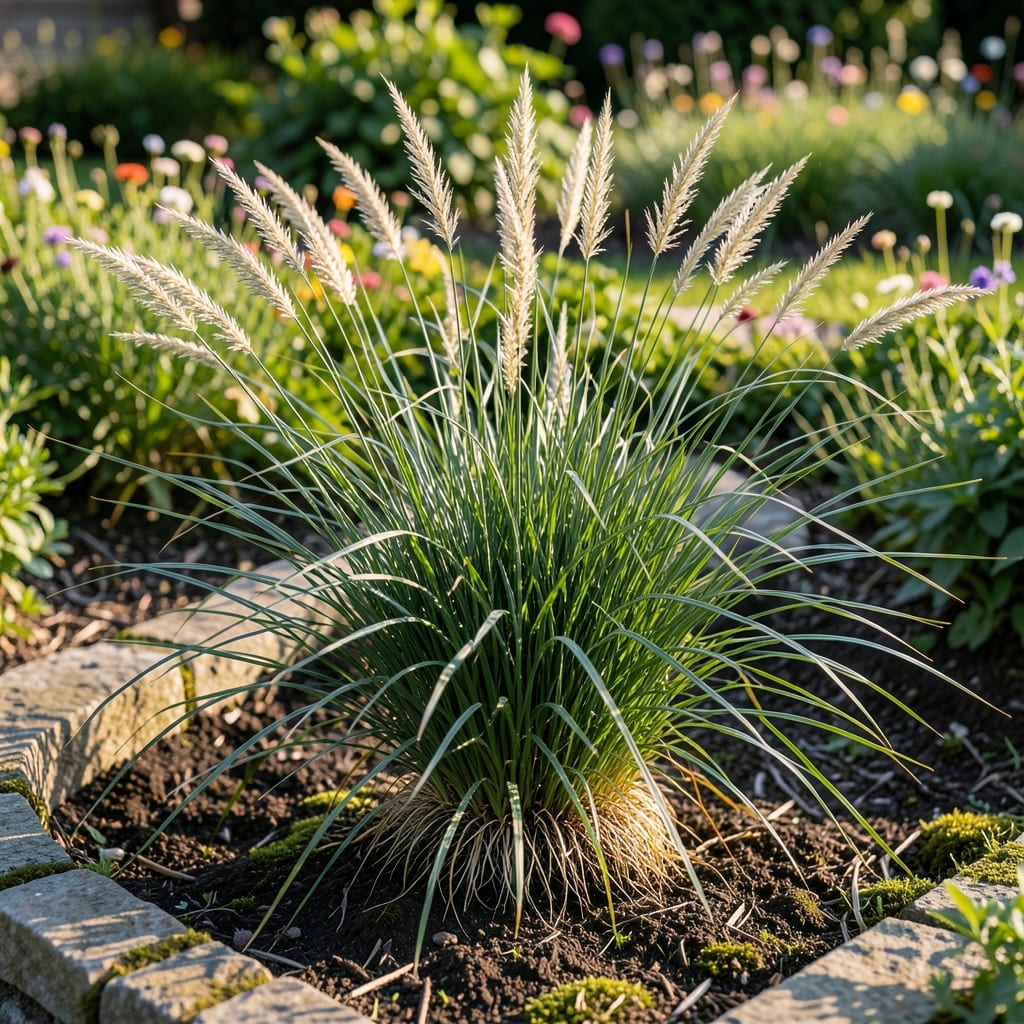
If you're dreaming of a thick, vibrant lawn this year, knowing how long for Tall Fescue to grow is the first step to success. This hardy grass can transform your yard from bare soil to lush green in just a few months—but only if you plant it right and give it the care it needs.
Most homeowners see those first tiny sprouts within 7–21 days after planting, but don’t expect a full lawn overnight. The real magic happens over 6–12 months as roots deepen and blades thicken. With the right timing—like planting in early spring or fall—you’ll set your Tall Fescue 🌾 up for faster, stronger growth.
I’ll break down exactly what to expect each month, from germination to full establishment, and share the fastest tricks to avoid common pitfalls. Whether you’re impatient for results or just want to plan ahead, this timeline will help you stay on track.
Ready to skip the guesswork? Let’s dive into the growth stages and discover how to give your lawn the best possible start—without waiting years for results.


Tall Fescue growth timeline: month-by-month development stages
Understanding the Tall Fescue growth timeline helps you track progress and adjust care as needed. From the first sprouts to full establishment, this grass follows predictable stages—but speed depends on your climate, soil prep, and maintenance. Let’s break it down by month so you know exactly what to expect.
In USDA Zone 6a (like much of the Midwest and Northeast), Tall Fescue typically follows this timeline. Warmer zones (like the South) may see faster growth, while cooler northern regions could extend some stages. The key is patience—6–12 months to full root depth is normal, but proper care can shave weeks off that timeline.
Here’s what happens each month, with actionable tips to keep your lawn on track:
| Stage | Key Milestones | Care Tips |
|---|---|---|
| Week 1–2 | Germination begins (7–21 days). Tiny sprouts emerge through soil. | Keep soil moist (not soggy). Avoid walking on new seeds. |
| Month 1–2 | Blades reach 2–4 inches. Roots spread 1–2 inches deep. | Water deeply 2–3x/week. Lightly fertilize with 10-10-10. |
| Month 3–4 | Grass fills in gaps. Roots reach 3–4 inches deep. | Reduce watering to 1 inch/week. Mow when blades hit 3–4 inches. |
| Month 5–6 | Lawn thickens. Roots reach 6 inches deep (70% established). | Apply slow-release fertilizer. Increase mowing height to 3–4 inches. |
| Month 7–12 | Full establishment. Roots reach 12+ inches deep. Drought-resistant. | Water only during droughts. Overseed thin areas in fall. |
If you planted in early spring (March–April), expect germination by late April. For fall planting (September–October), sprouts may appear by early October, but cooler temps slow early growth. The biggest leap happens between Month 3–6, when roots deepen and the lawn thickens noticeably.
Pro tip: Use a soil thermometer to monitor conditions. Tall Fescue germinates best in soil temps of 50–75°F. If your area hits 85°F+, growth may stall until temps drop—this is why fall planting often yields faster results in hot climates.
Watch for uneven growth in shaded areas. Tall Fescue tolerates partial shade but thrives in full sun (6+ hours/day). If your lawn has patchy sunlight, consider mixing in shade-tolerant varieties like 'Shadow' Tall Fescue for better coverage.
By Month 6, your lawn should look lush and uniform if you’ve maintained consistent watering and mowing. The real test comes in Year 2, when deep roots make it drought-resistant. With proper care, your Tall Fescue will outperform many other grasses in both beauty and durability.
🌱
Tall Fescue growth timeline: month-by-month development stages
Understanding the month-by-month growth stages of tall fescue helps you track progress and adjust care as needed. From the first sprouts to a fully established lawn, each phase requires specific attention to speed up results. Let’s break down what to expect and how to optimize growth at every stage.
The journey begins with germination (weeks 1–3), where tiny sprouts push through the soil. In ideal conditions—60–75°F soil temps and consistent moisture—you’ll see 7–21 days to first emergence. Cooler climates may extend this to 28–35 days, so timing your planting matters.
Here’s a clear breakdown of the key growth stages and what to focus on each month:
| Stage | Timeframe | Key Actions | Growth Milestone |
|---|---|---|---|
| Germination | Weeks 1–3 | Keep soil moist, avoid compaction | First green sprouts appear |
| Sprouting | Weeks 4–8 | Light fertilizing (10-10-10), mow at 3–4 inches | Grass reaches 2–3 inches tall |
| Establishment | Months 3–6 | Reduce watering to 1 inch/week, overseed thin spots | Roots reach 4–6 inches deep |
| Maturity | Months 6–12+ | Mow regularly, fertilize fall for winter prep | Full lawn density, drought-resistant |
By month 3, your tall fescue should be thick enough to resist weeds, but full maturity—deep roots and dense blades—takes 6–12 months. In cooler climates (USDA zones 4–6), growth slows in summer, while warmer zones (zones 7–9) may see faster early sprouting.
Pro tip: If you plant in early fall (September–October), cooler temps reduce stress, and roots establish faster before winter dormancy. Spring planting (March–April) works too, but avoid late-summer heat, which can dry out seeds.
Watch for yellowing patches or slow growth—these often signal underwatering or poor soil contact. Adjust care based on your local climate, and you’ll see a lush lawn in record time.