
Light Requirements
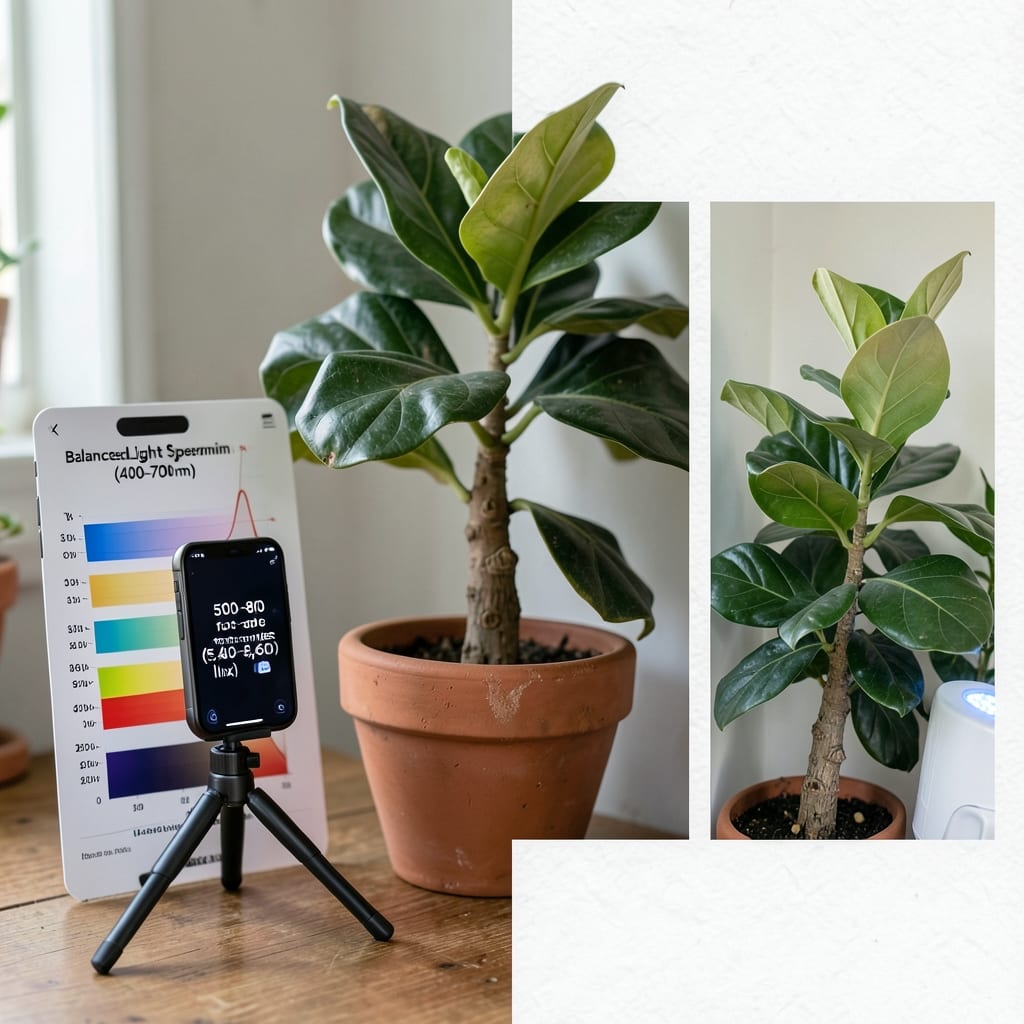
Ficus light requirements: the ideal spectrum for growth and health
Your ficus plant thrives in bright indirect light, but many plant parents mistakenly assume it needs direct sun. In reality, harsh afternoon rays can scorch those glossy leaves, while too little light leads to weak, leggy growth. The key is finding that sweet spot where your ficus gets 4-6 hours of filtered light daily, mimicking its natural understory habitat.
Ficus plants fall into the medium-light category, meaning they tolerate low-light conditions but grow best with moderate brightness. Think of it like a coffee shop setting—enough light to read comfortably, but not the harsh glare of a midday sun. This balance ensures your ficus maintains its signature deep green leaves and avoids common light-related stress signals.
Here’s the science behind it: Ficus plants rely on blue and red light spectrums for photosynthesis. Blue light (found in morning sunlight) boosts leaf growth, while red light (more abundant in afternoon) encourages flowering. Without this balance, your plant may develop yellowing leaves or stretch unnaturally toward light sources—a classic sign of light deprivation.
🌿
| Light Condition | Ideal Placement | Leaf Health | Growth Rate |
|---|---|---|---|
| Low Light (< 2,000 lux) | North-facing window or 8+ feet from south/west window | Yellowing, pale leaves | Slow, leggy growth |
| Medium Light (2,000-5,000 lux) | East or north window, 2-3 feet away | Deep green, glossy leaves | Balanced, compact growth |
| Bright Indirect (5,000-10,000 lux) | South window with sheer curtain or 4-5 feet away | Rich green, slight variegation | Fast, bushy growth |
| Direct Sun (>10,000 lux) | Unfiltered south/west window | Brown crispy edges, bleached spots | Stunted, stressed growth |
One common misconception is that ficus plants need direct sunlight like succulents or cacti. This couldn’t be further from the truth! In their native tropical environments, ficus trees grow under the canopy, where sunlight is diffused by leaves above. Recreating this environment indoors means avoiding harsh afternoon sun, especially on south- or west-facing windows, which can cause leaf burn in as little as 2 hours.
For indoor growers, the east-facing window is often the gold standard. Morning light provides gentle blue spectrum exposure without the intense heat of afternoon sun. If your home lacks natural light, supplement with a grow light placed 12-18 inches above the plant for 12-14 hours daily. LED grow lights with a 6500K color temperature mimic natural daylight perfectly for ficus care.
Outdoor ficus plants (like the ficus elastica or ficus benjamina) can handle partial shade but still need protection from midday sun. A 50% shade cloth or dappled sunlight under a tree provides ideal conditions. The key is observing your plant’s response: if new leaves are smaller than average or lighter in color, it’s signaling light deficiency.
Pro tip: Rotate your ficus quarterly to ensure even light exposure. Plants naturally grow toward the light source, which can lead to lopsided growth if left unchecked. A slow 180-degree turn every 3 months keeps your ficus bushy and symmetrical—no matter which window it calls home.
🪴
How to adjust your home’s light for a thriving ficus (without sacrificing style)
Finding the perfect spot for your ficus plant doesn’t mean sacrificing your home’s decor. These tropical beauties thrive in bright indirect light, but they’re flexible enough to adapt to different spaces—with a few smart adjustments. The key is understanding how to mimic their natural understory habitat indoors, whether you’re working with a sun-drenched living room or a cozy corner with limited natural light.
Start by identifying the best windows in your home. East-facing and north-facing windows provide the ideal gentle morning light that ficus plants love. If your space only has south- or west-facing windows, you’ll need to filter the light using sheer curtains or a sheer screen to prevent leaf scorch from harsh afternoon rays. Pro tip: Rotate your plant quarter-turn weekly to ensure even growth and prevent it from leaning toward the light source.