
Plants
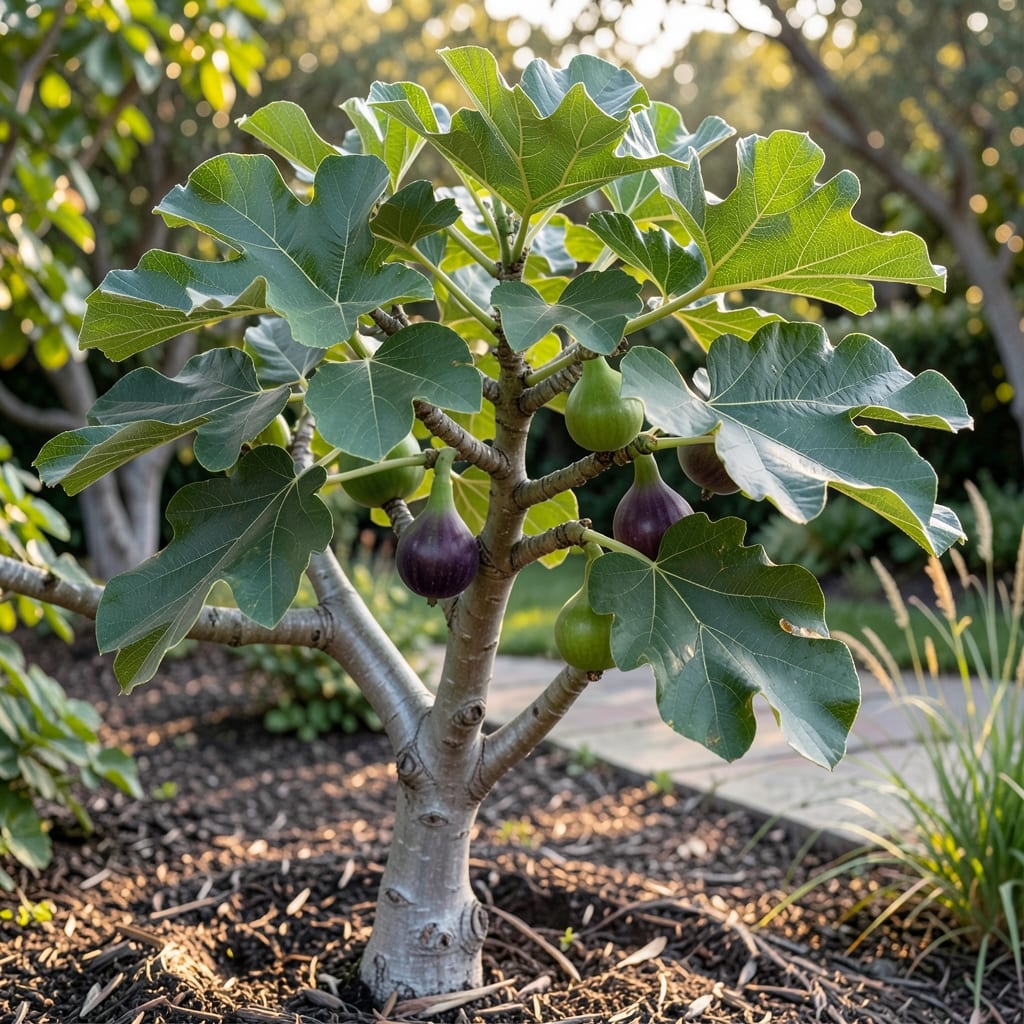
If you're wondering how much light does a fig plant need, the answer is simple: these sun-loving plants won’t tolerate half-measures. The right amount of light isn’t just about keeping leaves green—it’s the difference between a thriving tree laden with fruit and one that struggles to survive.
Most gardeners assume full sun means all-day baking, but figs actually need a balance—6 to 8 hours of direct sunlight daily is ideal, with some afternoon shade in scorching climates. Without this sweet spot, you'll see telltale signs like yellowing leaves or weak stems, and your harvest dreams will wither faster than you can say "prune."
Whether you're growing your fig in a backyard bed or a sunny windowsill, I'll break down exactly how to give it the perfect light diet—no guesswork involved. You'll learn how to spot light deficiencies early, adjust for seasonal changes, and even troubleshoot common mistakes that turn your plant into a sad, leggy shadow of its potential.
Let's get your fig plant basking in the right glow so you can enjoy those sweet, sun-ripened fruits all season long. The secret to success starts with understanding how much light your 🍈 fig truly craves—and how to give it exactly that.


Fig plant light requirements: full sun vs partial shade breakdown
Fig plants are sun worshippers—they crave 6-8+ hours of direct sunlight daily to thrive. Without enough light, you’ll see weak growth, sparse foliage, and zero fruit production. But too much scorching sun can also damage leaves, creating a delicate balance most gardeners struggle to master.
Not all fig varieties have identical light needs. Common figs and Brown Turkey types demand the most sunlight, while Chicago Hardy varieties tolerate slightly more shade. Understanding these differences is key to keeping your plant happy and productive.
Seasonal light adjustments are critical. In summer, fig plants need full sun exposure from morning to afternoon, while winter’s weaker light means they can handle partial shade without stress. Ignoring these shifts often leads to leaf burn or stunted growth.
Here’s how to spot light deficiency in your fig plant: yellowing leaves, stretched stems, and small, sparse fruit are all red flags. These symptoms mean your plant isn’t getting enough light to photosynthesize properly.
| Variety | Ideal Sunlight | Tolerates Shade? | Signs of Too Little Light |
|---|---|---|---|
| Common Fig | 6-8+ hours full sun | No (minimal shade) | Yellow leaves, weak stems |
| Brown Turkey | 6-8 hours full sun | No (minimal shade) | Small fruit, sparse leaves |
| Chicago Hardy | 5-7 hours full sun | Yes (partial shade) | Leggy growth, pale leaves |
For outdoor fig plants, position them in south-facing locations where they receive uninterrupted morning sun and filtered afternoon shade during peak summer heat. This balance prevents leaf scorch while ensuring enough energy for fruit production.
If you’re growing figs in containers, rotate pots weekly to ensure even light exposure. Uneven sunlight causes lopsided growth, where one side becomes leggy while the other remains compact. A simple rotation keeps your plant balanced and healthy.
Indoor fig plants need bright, indirect light near a south-facing window. If natural light is insufficient, supplement with LED grow lights for 12-14 hours daily. Without this extra light, indoor figs often produce tiny, poor-quality fruit.
Watch for leaf burn—crispy, brown edges—if your fig plant gets too much direct afternoon sun. This is common in hot climates where UV rays intensify. Providing dappled shade with sheer curtains or a shade cloth can save your plant from irreversible damage.
Remember, fig plants are not drought-tolerant when it comes to light. Even if they’re adapted to dry conditions, they still need adequate sunlight to thrive. Skimp on light, and you’ll end up with a sad, underperforming plant that barely produces fruit.
How to provide perfect light for indoor vs outdoor fig plants
Growing a fig plant indoors or outdoors requires different light strategies, but the goal remains the same: 6 to 8 hours of direct sunlight daily. The challenge? Mimicking outdoor conditions when space or climate limits natural light. Whether you're dealing with a sunny patio or a shady apartment, I’ll show you how to optimize light for your fig’s needs—no fancy (or expensive) equipment required.
Outdoor figs thrive in full sun exposure, but even they benefit from a little afternoon shade during peak summer heat to prevent leaf burn. Indoor figs, on the other hand, often rely on grow lights or strategic window placement. The key is understanding how to supplement natural light when it falls short, especially in northern climates or during winter months when days grow shorter.
🔹 Pro Tip: If you’re in a container garden, rotate your pot every few weeks. This ensures even growth and prevents your fig from leaning toward the light source like a sunflower chasing the sun.
Outdoor Fig Lighting
- 6-8 hours of direct sunlight daily—aim for south-facing locations to maximize exposure.
- Use dappled shade in hot climates (like afternoon shade cloth) to prevent leaf scorch.
- Mulch the base with organic matter to retain moisture and support root health in full sun.
- Adjust for seasonal changes: Reduce shade in spring/fall when sun is less intense.
Indoor Fig Lighting
- Place near a south-facing window—east or west windows work but may require supplemental grow lights.
- Use LED grow lights (12-16 hours/day) if natural light drops below 4 hours daily.
- Rotate the plant quarter-turn weekly to prevent uneven growth toward the light source.
- In low-light apartments, consider a sunroom or greenhouse for year-round success.
For urban gardeners with limited space, a balcony or rooftop setup can work wonders—just ensure your fig gets unobstructed light. If you’re using grow lights, opt for full-spectrum LEDs (like those designed for herbs or vegetables) to mimic natural sunlight. These lights are energy-efficient and can be placed just 6-12 inches above the plant for optimal results.
Seasonal adjustments are critical, too. In winter months, supplement natural light with a timer-controlled grow light to maintain the 6-hour minimum. Conversely, in summer, watch for signs of over-exposure (like crispy leaf edges) and provide temporary shade if needed. The goal is consistency—figs hate sudden changes in light conditions, so gradual adjustments are key.
With the right light setup, your fig plant will reward you with vibrant foliage and abundant fruit, whether it’s basking in a backyard bed or thriving on a sunny windowsill. The secret? Pay attention to its cues—leggy stems mean more light, while yellowing leaves signal too much sun. Tweak as needed, and you’ll be harvesting figs in no time! 🌱