
Plants
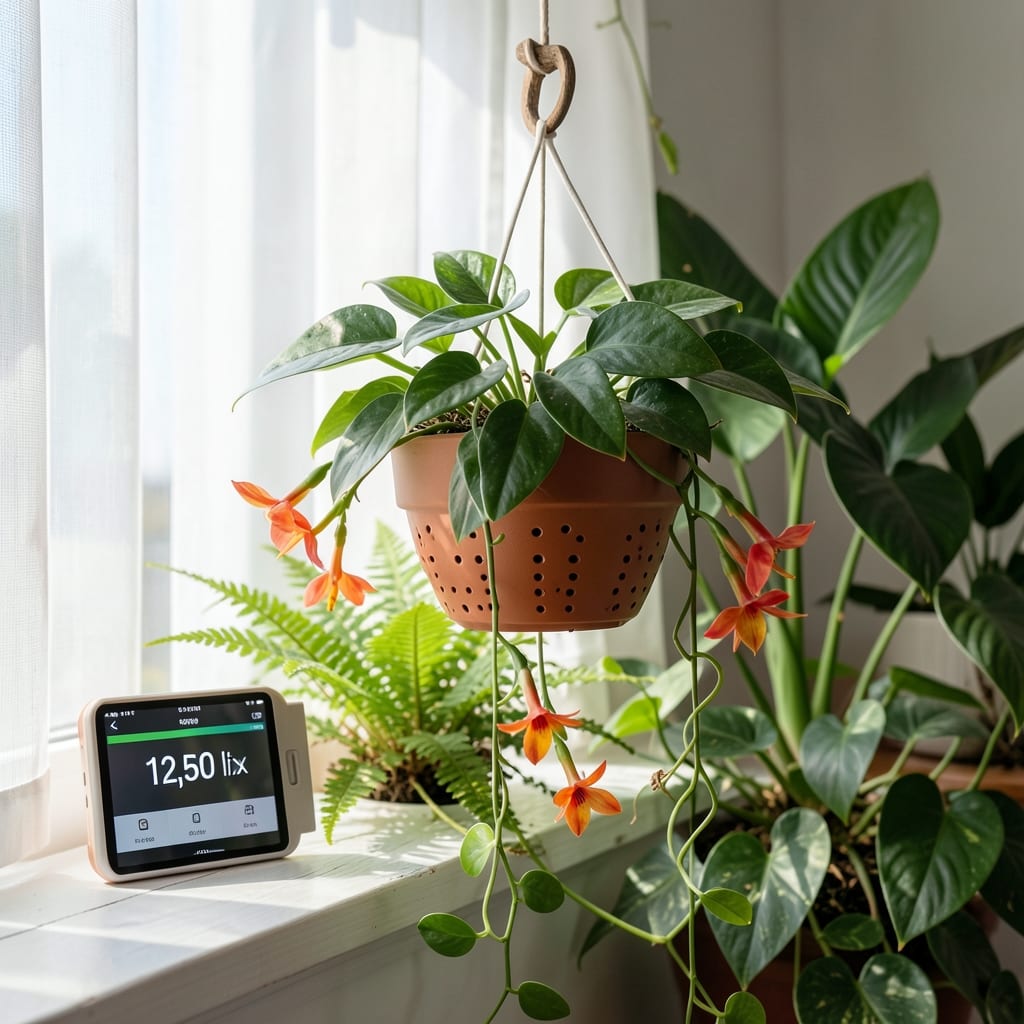
Goldfish plant light requirements: ideal conditions for healthy growth
Your Goldfish Plant (Nematanthus gregarius) thrives in bright indirect light, mimicking its native shaded forest understory. This means placing it near an east-facing window where morning sun gently filters through. Too little light causes leggy growth and pale leaves, while too much triggers yellowing or crispy edges. The key is finding that sweet spot where foliage stays compact and vibrant.
Think of it like a sunbathing session—just enough to boost chlorophyll production without causing a sunburn. In nature, these plants grow under dappled sunlight, so replicating that filtered light indoors is ideal. If your home has low natural light, a grow light 12-18 inches away for 6-8 hours daily can save your plant from stretching toward the window like a sleepy cat reaching for sunlight.
Here’s how to spot light stress signs early: Yellowing leaves mean too much direct sun, while dark green, sparse leaves with long stems scream for more light. The goal is rich, patterned foliage that stays upright and bushy. If your plant looks like it’s reaching for the sky, it’s time to move it closer to a bright, indirect light source.
| Light Condition | Ideal Placement | Foliage Appearance | Growth Pattern |
|---|---|---|---|
| Bright Indirect Light | East/west window, 2-3 ft away | Vibrant patterns, deep green | Compact, bushy |
| Low Light | North window or room corner | Pale, dull green | Leggy, sparse |
| Direct Sunlight | South window, no filter | Yellow/brown patches | Stunted, crispy edges |
Did you know? The goldfish plant’s foliage patterns actually darken in brighter light, creating those stunning fish-like markings you love. This is nature’s way of signaling optimal light conditions. If your plant’s colors fade, it’s begging for a sunnier spot—just not direct midday rays. A sheer curtain can diffuse harsh afternoon sun while still letting in enough light for those vibrant patterns to shine.
For maximum growth, aim for 4-6 hours of bright indirect light daily. This could mean placing your plant 3 feet from a north-facing window or rotating it weekly to ensure even light exposure. If you notice one side leaning toward the light, it’s time to turn the pot ¼ turn every few days. This prevents lopsided growth and keeps your plant symmetrical and healthy.
Pro tip: Morning sunlight is gentler than afternoon sun, making it the ideal time for your goldfish plant to soak up rays. If you’re using a grow light, position it 12-18 inches above the plant and use a 12-hour day/night cycle to mimic natural conditions. Too much artificial light can bleach out foliage colors, so keep it balanced—think soft glow, not harsh shine.
What if your home has no natural light? Don’t despair—LED grow lights with a cool white spectrum can work wonders. Look for one with a color temperature of 5000-6500K to mimic daylight. Place it 12 inches away and run it for 6-8 hours daily. Your plant will thank you with lush, patterned leaves instead of stretching toward the ceiling like a desperate sunflower.
Remember, light is just one piece of the puzzle—pair it with well-draining soil and moderate watering for the perfect care combo. When you nail the light balance, your goldfish plant will reward you with vibrant foliage that’s the star of your indoor jungle.
🌿
How to adjust light for different goldfish plant varieties
Not all Goldfish Plants (Nematanthus species) have the same light needs—some crave more sun while others thrive in shade. The Nematanthus gregarius (common Goldfish Plant) adapts well to bright indirect light, but its cousin, N. wettsteinii, handles lower light conditions better. Understanding these differences helps you place each variety perfectly for their foliage to shine.
For N. wettsteinii, which has darker green leaves, aim for medium indirect light—think a north-facing window or 5 feet from a south-facing window. These plants tolerate low-light spaces better but may grow slower. Meanwhile, N. gregarius with its vibrant patterned leaves needs more light to maintain its goldfish-like markings.
Here’s how to adjust light for both varieties without causing stress:
Goldfish Plant Variety Light Needs
Tip: Rotate plants quarter-turn weekly to ensure even light exposure on all sides.
Window placement makes all the difference. An east-facing window provides gentle morning sun, ideal for both varieties. Avoid west-facing windows for N. gregarius—the intense afternoon sun can bleach or burn its leaves. If your space lacks natural light, a grow light (12-14 hours/day) can bridge the gap, especially for N. wettsteinii in dim corners.
Watch for light-related stress signs: Yellowing leaves or brown tips mean too much sun, while long, sparse stems signal low light. Adjust gradually—move plants 1-2 feet closer to light weekly if they’re stretching, or shade them with a sheer curtain if leaves look crispy.
Pro tip: Group plants by variety near their ideal light source. Place N. gregarius closer to the window and N. wettsteinii slightly behind it. This creates a natural light gradient that satisfies both types without overcomplicating your setup.