
Light Requirements
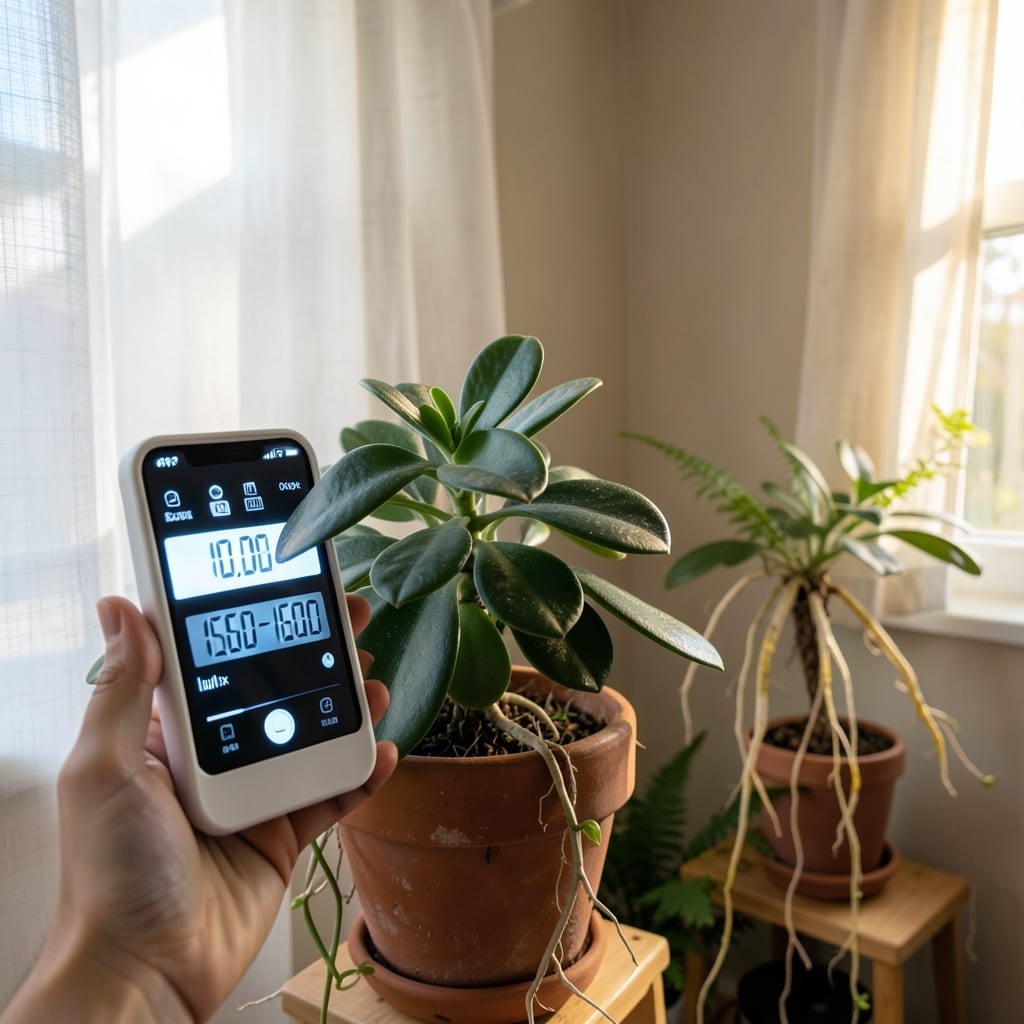
Ideal light requirements for Hoya plants: bright indirect light explained
Hoya plants thrive best under bright indirect light, mimicking their natural habitat in tropical forests. Too little light causes leggy growth, while too much direct sun can scorch delicate leaves. Finding the perfect balance ensures your Hoya stays lush and blooms abundantly year-round.
The ideal light intensity for Hoyas falls between 50-70% shade, which translates to a spot that receives morning sun and afternoon shade. This prevents harsh UV exposure while providing enough energy for photosynthesis. Think of it as a gentle sunbathing session—not too intense, but bright enough to keep your plant happy.
Most Hoyas tolerate low-light conditions, but they’ll reward you with vibrant blooms and thicker leaves when given optimal light. If your plant is struggling, start by moving it closer to a window—just avoid the harsh afternoon rays that can cause leaf burn.
Here’s a quick guide to understanding light levels for your Hoya:
| Light Level | Description | Best For Hoya |
|---|---|---|
| Low Light | North-facing windows or rooms without direct sunlight | Survival mode; leggy growth, few blooms |
| Medium Light | East or west-facing windows, 1-3 feet from glass | Ideal for most Hoyas; healthy growth and blooms |
| High Light | South-facing windows or direct afternoon sun | Risk of leaf burn; use sheer curtains to diffuse |
| Direct Sun | Full sun exposure (e.g., greenhouse or outdoor summer) | Avoid unless acclimated; can cause irreversible damage |
For indoor growing, the best window placements are east-facing or west-facing spots, where sunlight is softer. A south-facing window works too, but place your Hoya 3-6 feet away to prevent scorching. If you notice leaves turning yellow or crispy near the edges, it’s a clear sign of too much direct sun.
Outdoor Hoyas can handle morning sun exposure but should be moved to partial shade by midday, especially during summer. In cooler months, they can tolerate more direct light, making outdoor winter care easier. Just remember: gradual adjustments are key—never move your Hoya from low light to bright sun overnight!
If your home lacks natural light, grow lights are a game-changer. A full-spectrum LED grow light placed 6-12 inches above your plant for 12-14 hours daily mimics ideal conditions. Brands like Sprout Pro or Barrina offer affordable options perfect for Hoyas.
Pro tip: Rotate your Hoya quarter-turn weekly to ensure even growth. Plants naturally lean toward light sources, so this simple habit keeps vines balanced and prevents one-sided legginess. Pair this with a sheer curtain on south-facing windows, and you’ll create the perfect microclimate for your Hoya.
Seasonal changes also affect light needs. During winter months, shorter daylight hours mean your Hoya may need supplemental light. Conversely, summer’s intense rays might require moving your plant further from the window or using a light filter to protect delicate foliage.
Remember, every Hoya variety has slight variations in light tolerance, but bright indirect light is the golden rule. With the right setup, your plant will reward you with glossy leaves and stunning waxy blooms that last for weeks!
Signs your Hoya isn’t getting enough light (and how to fix it)
If your Hoya looks leggy and stretched, it’s screaming for more light. These long, sparse stems with tiny leaves are classic signs of light deprivation. Your plant is reaching toward any available light source, often growing weak and floppy. This happens when Hoyas don’t receive enough bright indirect light to fuel proper photosynthesis, forcing them to elongate for survival.
Another red flag is pale or yellowing leaves. Healthy Hoya leaves should be deep green and glossy, but insufficient light causes chlorophyll breakdown, leading to dull, washed-out foliage. You might also notice fewer or no blooms—Hoyas need adequate light to trigger flowering. Without it, your plant conserves energy for basic growth rather than producing those stunning waxy flowers.
Here’s what to watch for when diagnosing light issues in your Hoya:
- Leggy growth: Stems stretch 3x longer than normal with sparse leaves
- Pale leaves: Foliage loses its rich green color, appearing yellowish
- No flowers: Complete absence of blooms or only 1-2 small flowers
- Weak stems: Vines become floppy and struggle to support themselves
Solution:
Move to brighter indirect light immediately. Rotate the plant weekly for even exposure.
Don’t panic if you spot these signs—Hoyas are resilient! The good news is that fixing light issues often leads to rapid recovery. Start by moving your plant to a sunnier window, ideally east-facing where morning light is gentler. If your home lacks natural light, a 12-hour grow light session daily can work wonders. I’ve seen Hoyas bounce back from leggy disasters in just 4-6 weeks with proper light adjustments.
For outdoor Hoyas, seasonal changes require extra attention. In winter months, shorter daylight means you may need to supplement with artificial light. Conversely, summer’s intense rays can cause sudden stress if your plant was previously in lower light. Always make changes gradually—move your Hoya 1-2 feet closer to light weekly rather than shocking it overnight.
Pro tip: Use a reflective surface like a white shelf or mirror behind your Hoya to bounce extra light onto the plant. This simple trick can make a 30% difference in light exposure without moving the plant. Pair this with weekly rotations to prevent lopsided growth, and you’ll have a Hoya that’s thriving in no time!