
Light Requirements
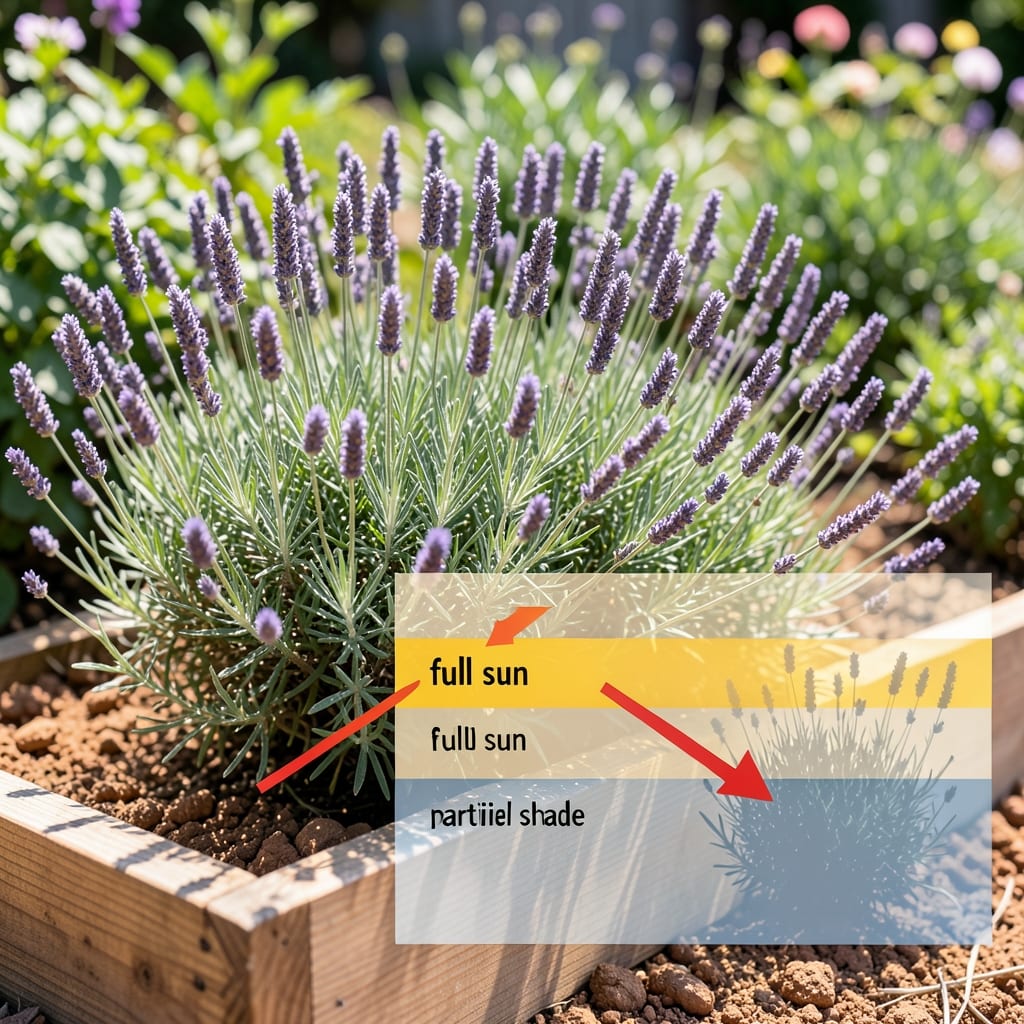
If you’ve ever wondered how much light does a lavender plant need, you’re not alone—the answer is more nuanced than you’d think. Watching your 🌿 lavender stretch toward the sky like a sleepy cat or wilt under harsh afternoon rays is a common struggle, and the truth is, lavender isn’t just picky about light—it’s obsessive about it. Getting the balance wrong can mean the difference between fragrant purple blooms and sad, leggy stems that barely hold their scent.
Most gardeners assume lavender thrives in any sunlight, but here’s the catch: it’s not about any light—it’s about the right kind. Too little, and your plant will grow weak; too much, and you’ll end up with crispy edges. I’ve seen lavender go from lush and vibrant to a sad, sunburnt mess in just a few weeks, and I’ll show you exactly how to avoid that fate.
What you’re about to learn isn’t just theory—it’s the sunlight formula that’ll have your lavender blooming like crazy, year after year. We’re talking 6–8 hours of direct sun, but with a few sneaky tricks to keep it happy in partial shade or hot climates. Ready to turn your lavender into the star of your garden? Let’s dive in.
The best part? You don’t need a greenhouse or fancy tools—just a little know-how and the willingness to tweak your plant’s spot if it’s not thriving. Whether you’re a beginner or a seasoned gardener, these tips will help you nail lavender’s light needs without guessing. Trust me, your future bouquets (and your nose) will thank you.

Ideal sunlight requirements for lavender plants by variety and climate
Lavender isn’t just a pretty face—it’s a sun-worshipper that demands 6 to 8 hours of direct sunlight daily to thrive. Without enough light, your plant will stretch toward the sun like a sleepy cat, producing leggy stems and sparse blooms. But too much scorching sun can fry those delicate leaves, leaving behind crispy edges. Let’s break down the perfect balance for your lavender’s happiness.
Not all lavender is created equal. English lavender (like 'Munstead' or 'Hidcote') tolerates slightly more shade than French lavender (such as 'Grosso' or 'Provence'), while Spanish lavender (like 'Papillon') thrives in intense, dry heat. Your climate also plays a role—cool, coastal areas may need morning sun with afternoon shade, while hot, inland zones can handle full sun all day.
Here’s the golden rule: 6+ hours of sunlight = happy lavender. In USDA Zones 6-9, this usually means planting lavender in south-facing beds or near west-facing walls that catch the afternoon rays. If your garden gets less than 4 hours of sun, lavender will struggle—expect weak growth, few flowers, and a lack of that signature fragrance.
🌱
| Variety | Sunlight Needs | Climate Adjustments | Signs of Stress |
|---|---|---|---|
| English Lavender | 6–8 hours | Morning sun + afternoon shade in hot zones | Leggy growth, pale leaves |
| French Lavender | 8+ hours | Full sun; drought-tolerant | Brown leaf tips, sparse blooms |
| Spanish Lavender | 6–10 hours | Thrives in intense heat | Wilting, yellowing leaves |
| Dwarf Varieties | 5–6 hours | Partial shade in extreme heat | Stunted growth, no flowers |
Spotting sunlight issues early saves your lavender from a slow, painful decline. Leggy stems and fewer blooms mean it’s not getting enough light, while crispy leaf edges or bleached patches signal too much sun. French lavender, in particular, shows stress by dropping buds before they open—this is a classic sign of inconsistent sunlight.
In cool, cloudy climates (like the Pacific Northwest), lavender may need a reflective surface (like white gravel or a light-colored wall) to bounce extra light onto the plant. Conversely, in arid regions (like Arizona or California), afternoon shade during peak heat (1–4 PM) can prevent sunburn while still providing plenty of light.
Pro tip: If your lavender is in a container or pot, rotate it every few weeks so all sides get even sunlight. This prevents one side from becoming overly exposed while the other stays in the shade. Think of it like giving your lavender a sunbathing spa day—equal treatment all around!
🌿
One common myth is that lavender can handle partial shade in shady gardens. While it can survive with 3–4 hours of sun, it will never thrive. You’ll miss out on those lush purple spikes and that heavenly scent that makes lavender worth growing. If your garden is truly low-light, consider growing lavender indoors near a south-facing window—just be prepared for slower growth and smaller blooms.
Remember: Lavender loves drama—it wants to be the star of the show, basking in the spotlight. Give it the sunlight it craves, and it’ll reward you with fragrant blooms, silvery foliage, and a garden that smells like Provence. Now go find that sunny spot—your lavender is waiting!
How to calculate and adjust sunlight exposure for maximum lavender growth
Measuring sunlight in your garden might sound tricky, but it’s simpler than you think—and it’s the key to unlocking lavender’s full potential. Start by using a sunlight calculator app (like Sun Surveyor or Gardenate) to track how many hours of direct sun each spot in your yard gets over a week. Place your lavender where it receives 6–8 hours of unfiltered sunlight between 9 AM and 5 PM, avoiding harsh midday rays in extreme heat zones.
For container-grown lavender, rotate the pot every 2–3 weeks to ensure even sunlight exposure. Uneven light causes lopsided growth and weak stems, so think of it like giving your plant a full-body tan. If your balcony or patio only gets morning sun, supplement with a grow light (LED or fluorescent) for 4–6 hours in the evening—just keep it 12–18 inches away to avoid burning the leaves.
🌱
- 📏 Step 1: Measure sunlight – Use a sunlight tracker or mark a white cloth in your garden spot. If it’s fully dry by noon, you’ve got direct sun.
- 🌞 Step 2: Adjust for seasons – Lavender needs more sun in winter (when days are shorter) and afternoon shade in summer (to prevent burn). Move pots or use lightweight shade cloth (30–50% coverage).
- 🌿 Step 3: Supplement indoors – Place container lavender near a south-facing window and rotate it weekly. If natural light is insufficient, add a 10,000-lux grow light for 12–14 hours/day.
- ✂️ Step 4: Prune for sunlight access – Trim overgrown neighbors (like tall grasses or trees) to let more light reach your lavender. Even 1–2 extra hours of sun can boost blooms by 30%!
- 🌡️ Step 5: Climate tweaks –
- Hot climates: Provide afternoon shade (1–4 PM).
- Cool climates: Use reflective mulch (white gravel) to bounce light.
- Urban areas: Check for building shadows—they can block crucial sunlight.
Seasonal shifts can throw off your lavender’s sunlight balance. In spring and fall, when days are shorter, lavender may need a slightly sunnier spot to compensate. Conversely, in summer’s peak heat (especially in Zones 8–10), afternoon shade becomes critical. I once had a lavender plant in full desert sun that turned into a crispy critter—until I moved it under a lightweight shade cloth for 2 hours in the afternoon. The difference was night and day!
If you’re growing lavender in containers or raised beds, remember that soil and pot colors matter. Dark pots absorb heat and can stress the roots, while light-colored containers reflect heat and keep the soil cooler. For maximum efficiency, choose terracotta or white pots and place them on elevated stands to improve airflow and light exposure.
Pro tip: Observe your lavender’s leaves—if they’re light green or pale, it’s begging for more sun. If they’re yellowing or curling, it’s getting too much direct heat. The goal is golden-green foliage with deep purple blooms, a sure sign your lavender is sun-happy. With these adjustments, you’ll have lavender that’s blooming like crazy and smelling like a Provence dream.
☀️