
Companion Plants
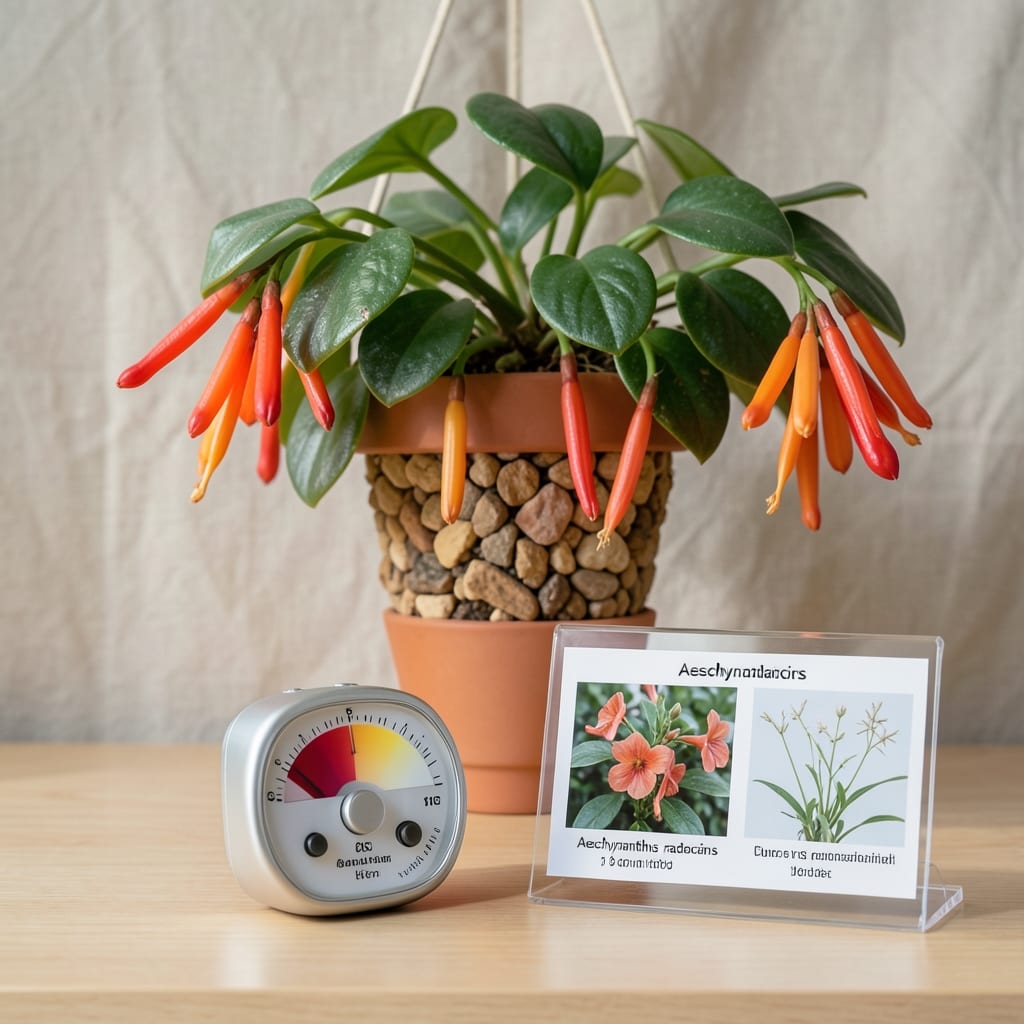
If your Lipstick Plant 🌸 is struggling to bloom or looks stretched and weak, chances are its light needs aren't being met. This stunning tropical beauty thrives in specific lighting conditions that most growers accidentally overlook—yet getting it right makes all the difference between vibrant red flowers and sad, leggy stems.
The key to happy Lipstick Plants lies in bright indirect light, which mimics their natural understory habitat. Too little light, and they’ll grow tall and sparse; too much direct sun, and those delicate leaves will scorch. I’ll show you exactly how to strike the perfect balance, whether you’re dealing with a dim corner or a sun-drenched windowsill.
You’ll learn how to spot the warning signs of poor lighting—like yellowing leaves or sparse blooms—and how to adjust your plant’s environment for optimal growth. From choosing the best window placement to supplementing with artificial lights, I’ve got you covered with practical tips that actually work.
By the end, you’ll know exactly how much light your Lipstick Plant needs to flourish, plus how to troubleshoot common light-related problems. Let’s get your plant glowing with those fiery red flowers it’s meant to produce!

Optimal light requirements for lipstick plant growth and flowering
The lipstick plant (Aeschynanthus radicans) thrives in bright indirect light, making it perfect for east or west-facing windows. This tropical beauty mimics its natural understory habitat, where dappled sunlight filters through tree canopies. Without the right light, your plant may struggle to produce those stunning red tubular flowers or develop weak, leggy stems.
Ideal light conditions for a lipstick plant include 4-6 hours of filtered sunlight daily. Direct afternoon sun can scorch its delicate leaves, while too little light leads to poor flowering and pale foliage. Think of it like Goldilocks—you want light that's "just right" to keep your plant happy and blooming.
In indoor settings, place your lipstick plant 2-3 feet from an east or west window. East-facing windows provide gentle morning light, while west-facing windows offer afternoon brightness without harsh midday rays. If you notice leaves turning yellow or stretching toward the light, it's a clear sign your plant needs more brightness.
| Light Condition | Effect on Plant | Solution |
|---|---|---|
| Bright Indirect Light | Healthy growth, vibrant foliage, frequent blooms | East/west window, sheer curtain |
| Low Light | Leggy stems, sparse blooms, yellowing leaves | Move closer to window or add grow light |
| Direct Sunlight | Brown leaf tips, leaf scorch, wilting | Use sheer curtain or move to indirect spot |
| Artificial Grow Light | Compact growth, consistent blooms year-round | LED grow bulb 6-8 inches above plant |
Seasonal adjustments are key for maintaining optimal light exposure. During spring and summer, when sunlight is intense, your lipstick plant may need protection from direct rays. A sheer curtain can diffuse harsh light while still allowing plenty of brightness. In winter, when natural light diminishes, supplement with a grow light if you notice your plant slowing down.
Outdoor growers in USDA Zones 9-11 can enjoy lipstick plants in partial shade with morning sun. In cooler zones, treat it as a tender houseplant and bring it indoors before temperatures drop below 50°F (10°C). The key is consistency—your plant will reward you with lush growth and vibrant blooms when given the right light balance.
For flowering success, aim for bright indirect light year-round. Lipstick plants are sensitive to light changes, so avoid moving them frequently. If you must reposition, do it gradually over 1-2 weeks to prevent shock. A small adjustment like rotating the pot every few weeks ensures even light exposure and prevents lopsided growth.
Pro tip: Use a light meter (or your phone's light sensor app) to check brightness levels. Ideal conditions hover around 1,000-3,000 foot-candles—similar to a well-lit office. If your space falls short, a simple LED grow bulb can make all the difference for indoor lipstick plants.
Remember, the goal is to mimic the tropical understory where lipstick plants naturally thrive. With the right light, your plant will grow compact, vibrant, and ready to burst into bloom—just like a lipstick tube popping open with color!
Optimal light requirements for lipstick plant growth and flowering
Your lipstick plant (Aeschynanthus radicans) thrives in bright indirect light, mimicking its natural understory habitat. Without enough light, it stretches toward windows, producing long, weak stems and sparse blooms. Too much direct sun, especially hot afternoon rays, can scorch its delicate leaves, turning them crispy at the edges.
For ideal growth and vibrant red flowers, position your plant within 3-6 feet of an east or west-facing window. These windows provide gentle morning or late-afternoon sun while avoiding harsh midday exposure. If you're using a south-facing window, place it at least 6 feet away to filter the intensity.
| Light Condition | Ideal Setup | Growth Impact |
|---|---|---|
| Bright Indirect Light | East/west window, 3-6 ft away | Compact growth, frequent blooms |
| Low Light | North window or dim corner | Leggy stems, sparse flowers |
| Direct Sun (Afternoon) | South window, <6 ft away | Leaf scorch, stunted growth |
Seasonal adjustments are key—your lipstick plant may need slightly more light in winter when daylight hours shrink. Rotate the pot quarter-turns weekly to ensure even exposure, preventing lopsided growth toward the light source. A simple trick: if your plant’s leaves are dark green and glossy, it’s likely getting enough light.
Outdoor growers can enjoy partial shade in summer (30-50% shade cloth) to protect leaves while still encouraging blooms. In USDA Zones 9-11, these plants can thrive outdoors year-round with morning sun and afternoon shade. For colder climates, bring it indoors before temperatures drop below 50°F (10°C).
Pro tip: Place a white sheet behind your plant to reflect extra light upward—this can boost brightness by 20-30% without direct sun exposure. Pair this with a humidity tray (pebbles + water) to mimic tropical conditions, and you’ll see healthier foliage and more frequent blooms within weeks.
Remember, the goal is balanced light exposure: enough to fuel growth but not so intense it stresses the plant. Monitor your lipstick plant’s response—adjust placement gradually to avoid shocking its system. With the right light, your plant will reward you with year-round color and lush, vibrant growth.