
Companion Plants
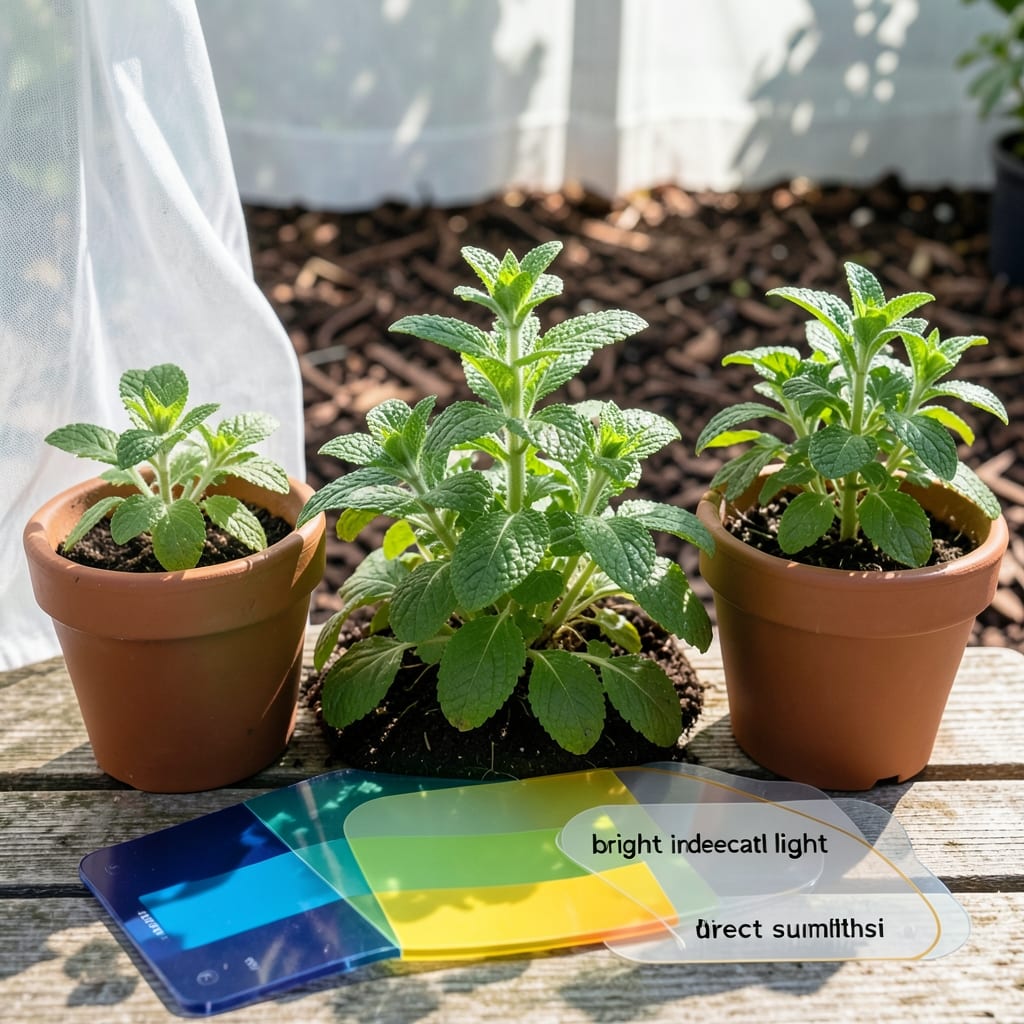
If you’re wondering how much light does a mint plant need to stay strong and vibrant, the answer lies in striking the right balance—too much sun burns those delicate leaves, while too little leaves you with sparse, flavorless stems. Mint actually prefers partial shade, thriving with just 4-6 hours of sunlight daily. This means morning sun or dappled light works best, especially in USDA Zone 6a where summer heat can be intense. The key is avoiding harsh afternoon rays that turn leaves crispy.
You’ll know you’ve got it right when your mint stays bushy and aromatic, with deep green leaves and no signs of stretching toward light. Whether you’re growing it in a sunny kitchen window or a shaded garden bed, small adjustments can make all the difference.
Let’s break down exactly how to tweak light conditions—indoors or out—to keep your mint lush, flavorful, and ready for harvest from June to September. No more guesswork, just vibrant growth.


Ideal light requirements for mint plants: sun vs shade balance
Mint thrives in bright indirect light, making it the perfect herb for partial shade. Unlike sun-loving plants, mint burns easily under direct afternoon sun, especially in hot climates. Aim for 4-6 hours of filtered sunlight daily—think dappled shade from trees or morning sun paired with afternoon shade.
In USDA Zone 6a, where I garden, mint grows best with morning sun exposure (before 10 AM) and afternoon shade. This balance prevents leaf scorch while ensuring robust growth. If your mint starts looking pale or leggy, it’s craving more light—but if leaves turn yellow or crispy, it’s getting too much.
Here’s how to visualize mint’s light sweet spot: Picture a kitchen windowsill facing east or a garden spot under a canopy tree. These spots provide the ideal sunlight balance mint craves without risking damage.
| Light Condition | Sunlight Hours | Mint Growth Effect | Best For |
|---|---|---|---|
| Partial Shade | 4-6 hours | Vibrant, bushy growth | Outdoor gardens, containers |
| Full Sun | 6+ hours | Leaf scorch, weak flavor | Avoid in hot climates |
| Deep Shade | 2-3 hours | Leggy, pale leaves | Indoor grow lights needed |
Seasonal adjustments are key! In summer months (June-September), mint may need afternoon shade protection—use a sheer curtain or move pots to a shadier spot. Conversely, winter light (October-April) is gentler, so you can extend exposure to 6 hours of morning sun to compensate.
Watch for these light-related warning signs: Brown leaf tips or crispy edges mean too much sun, while yellowing leaves or stretched stems signal insufficient light. Rotate your mint pot quarter-turns weekly to ensure even growth and prevent leaning toward light sources.
For container-grown mint, place pots near east or west-facing windows where sunlight is softer. If your kitchen only has a south-facing window, use a sheer curtain to diffuse harsh rays. This simple trick can save your mint from sunburn damage while keeping it thriving.
Pro tip: Mint’s flavor intensifies with the right light balance. Plants in partial shade develop a stronger, sweeter aroma compared to those baked in full sun. Harvest leaves in the morning after watering for peak freshness and potency.
If you’re growing mint in USDA Zone 6a or colder, extend light exposure in late winter (March-April) to jumpstart growth before the last frost (April 15). A reflective surface like a white wall or aluminum foil behind the pot can boost indirect light by 20-30%.
Remember, mint is highly adaptable—it’ll survive in lower light, but it won’t reach its full potential. For bushy, flavorful mint, prioritize bright indirect light and adjust based on seasonal changes. Your efforts will pay off with lush, aromatic leaves all season long!
Ideal light requirements for mint plants: sun vs shade balance
Mint thrives in bright, indirect light, making it perfect for gardeners with limited direct sunlight. While it can tolerate partial shade, too little light weakens growth and dulls flavor. The sweet spot? 4-6 hours of morning sun or filtered light through sheer curtains.
Direct afternoon sun can scorch mint leaves, causing yellowing or crispy edges. In hot climates, afternoon shade is a must. If your mint looks leggy or pale, it’s begging for more light. Conversely, deep shade leads to slow growth and weak stems.
🌿
| Light Condition | Sun Exposure | Growth Effect | Best For |
|---|---|---|---|
| Partial Shade | 4-6 hours morning sun | Vibrant, bushy growth | Outdoor gardens, east/west windows |
| Full Sun | 6+ hours direct sun | Leaf scorch, weak flavor | Avoid unless in cooler climates |
| Deep Shade | <2 hours light | Leggy, pale leaves | Indoor grow lights only |
Seasonal adjustments are key! In summer, mint appreciates afternoon shade to prevent stress. Move potted mint to a shadier spot or use a sheer curtain to diffuse harsh rays. Conversely, winter’s weaker light means supplementing with a grow light if indoors.
For outdoor mint, place it near a north-facing wall or under dappled shade trees. If growing in containers, rotate pots weekly to ensure even light exposure. This prevents one-sided growth and keeps your mint compact and flavorful.
Watch for reddish stems or stretched leaves—signs your mint needs more light. Conversely, yellowing lower leaves may indicate too much sun. Balancing light ensures your mint stays lush, aromatic, and ready for harvest.
☀️