
Plants
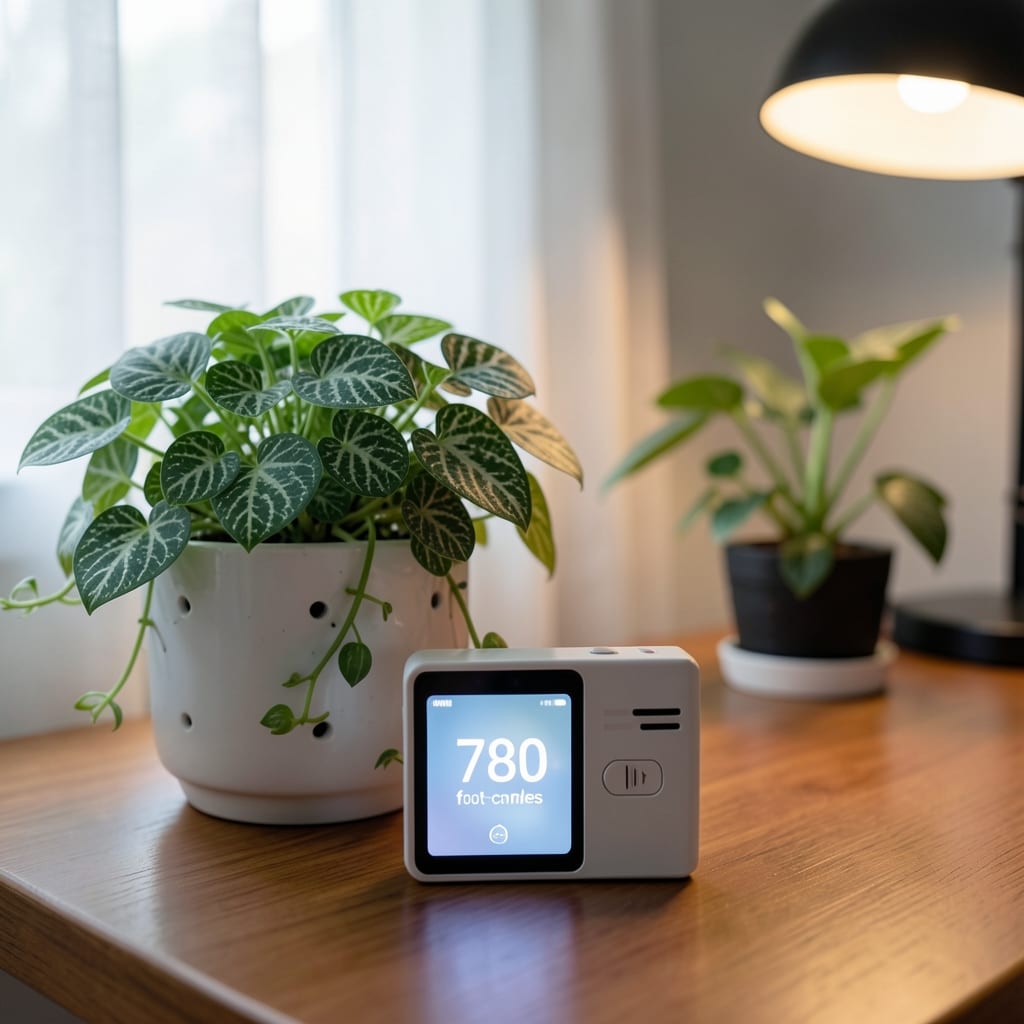
If you're wondering "how much light does a nerve plant need" to stay lush and vibrant, you're not alone—this delicate 🌿 is famously picky about its lighting. Too little, and its signature veining fades to a dull green; too much, and those pretty leaves crisp up faster than toast in a hot pan.
The secret to happy nerve plants lies in bright, indirect light—think of it like a sunbathing session under a sheer curtain rather than a midday tanning bed. These plants thrive with 4-6 hours of filtered sunlight daily, making east or west-facing windows their ideal spot. But don't worry if your home lacks natural light—we'll show you how to mimic those perfect conditions indoors.
What you'll discover here are the exact light ranges your nerve plant craves, plus tell-tale signs when it's begging for more (or less) brightness. Whether you're dealing with leggy stems or faded foliage, we've got the fixes to bring back that stunning contrast. Let's get your plant glowing again!
From choosing the right grow lights to adjusting seasonal light exposure, this guide covers everything you need to keep your nerve plant thriving year-round. No more guesswork—just clear, actionable steps to create the perfect light environment for your little green beauty.
 Best Window Placement
Ideal light requirements for nerve plant growth: bright indirect sunlight breakdown
Your nerve plant (Fittonia) thrives on bright indirect light, mimicking its natural understory habitat. This means positioning it where sunlight filters through sheer curtains or foliage, rather than hitting it directly. Think of it like a morning coffee—gentle and energizing, not a scorching midday blast. Without this balance, those stunning white or pink veins will fade, leaving you with a sad, green shadow of its former self.
The sweet spot for nerve plants is 4-6 hours of bright indirect light daily. This translates to about 1000-3000 lux of light intensity—similar to what you'd find 2-3 feet from an east or west-facing window. South-facing windows can work too, but only if your plant sits back far enough to avoid harsh afternoon rays. Remember, direct sun is the enemy here—it causes leaf burn faster than you can say "oops."
Here's the light spectrum secret for vibrant veining: nerve plants need a mix of blue and red light to maintain their signature patterns. Blue light (400-500nm) promotes leaf growth, while red light (600-700nm) enhances those beautiful vein colors. Most household windows provide enough blue light, but you might need to supplement with artificial sources for the red spectrum if your plant looks dull.
Seasonal adjustments are key—your nerve plant's light needs change with the sun. During spring and summer, when daylight is abundant, you might need to move it slightly farther from the window to prevent leaf scorch. In fall and winter, when natural light dims, consider rotating your plant to ensure even exposure or supplementing with grow lights. This rotation also prevents one-sided growth, keeping your plant bushy and symmetrical.
Let's talk about light testing—a simple way to check if you're nailing the right conditions. Hold your hand near the plant during peak sunlight hours. If the light feels strong enough to cast a shadow but not burn your skin, you're in the ideal range. For a more precise test, use a light meter app on your phone to measure lux levels at plant height. Aim for that 1000-3000 lux target for happy nerve plants.
| Light Requirement | Specification | Ideal Conditions |
|---|---|---|
| Daily Light Hours | 4-6 hours | East/west windows, 2-3ft back |
| Light Intensity | 1000-3000 lux | Bright indirect (filtered sunlight) |
| Light Spectrum | Blue (400-500nm) + Red (600-700nm) | Enhances vein contrast and growth |
| Window Placement | East/west-facing | Sheer curtains for diffusion |
| Seasonal Adjustments | Spring/Summer: More distance | Fall/Winter: Closer or supplement |
Now, let's address the most common light mistakes that turn vibrant nerve plants into sad, leggy shadows. First, direct sunlight is the #1 culprit—those delicate leaves can crisp up in hours, leaving you with brown, papery patches. If you notice this happening, immediately move your plant to a shadier spot or add a sheer curtain to diffuse the light. Second, low light causes stretched stems and faded colors as your plant reaches for any light source it can find. This is your plant's way of saying "I need more!"
For indoor growers without ideal windows, LED grow lights are your best friend. Look for full-spectrum LEDs that cover both blue and red wavelengths. A simple setup with a 12-14 hour photoperiod (light cycle) will keep your nerve plant thriving year-round. Position the light about 6-12 inches above the plant and adjust the height as it grows. Too close? You'll get light burn. Too far? Your plant will stretch and weaken. Finding that sweet spot is like Goldilocks—just right!
Pro tip: Rotate your plant weekly by 90 degrees to ensure even light exposure. This prevents one-sided growth where the plant leans toward the light source, creating an uneven, lopsided appearance. A little rotation goes a long way in keeping your nerve plant compact and symmetrical. Think of it like giving your plant a gentle massage—it keeps everything in balance!
Finally, remember that every home's light conditions are unique. What works perfectly in one space might not translate to another. Pay attention to your plant's visual cues—those beautiful veins are its way of communicating. When they're bright and crisp, you're doing it right. When they fade or disappear, it's time to adjust. With these light guidelines, your nerve plant will reward you with stunning foliage that's the envy of every plant parent.
Ideal light requirements for nerve plant growth: bright indirect sunlight breakdown
Nerve plants (Fittonia) are all about that veiny drama, but their stunning foliage fades fast without the right light. These tropical beauties need bright indirect sunlight for 4-6 hours daily—think of it as their version of a spa day under a canopy. Too little light, and those signature pink or white veins disappear into a sad, pale green. Too much direct sun, and you’ll get crispy brown edges faster than a forgotten iced tea on a windowsill.
Here’s the golden rule: 60% light intensity is ideal, measured between 1,000–3,000 lux. That’s roughly the brightness of a cloudy day outdoors or a spot 2-3 feet from an east-facing window. South-facing windows? Only if you’ve got sheer curtains to diffuse the harsh rays—direct midday sun is a one-way ticket to leaf burn city.
🌿 Nerve Plant Light Requirements Summary
| Requirement | Specification |
|---|---|
| Daily Light Hours | 4-6 hours |
| Light Type | Bright indirect |
| Intensity Range | 1,000–3,000 lux |
| Best Window Placement | East or west-facing |
| Distance from Window | 2-3 feet |
| Direct Sun Tolerance | Morning only (max 1 hour) |
Your nerve plant’s foliage contrast is directly tied to light exposure. In perfect conditions, the veins should pop against deep green leaves like a neon sign. If you notice the veins turning dull white or gray, it’s a cry for more light. Conversely, if the leaves start looking yellow or brown at the edges, you’ve got too much direct sun—time to move it back or add a sheer curtain.
Pro tip: Rotate your plant quarter-turns every 2 weeks to ensure even growth. Nerve plants can get lopsided if they lean toward the light source, and nobody wants a wonky-looking houseplant. Plus, rotating helps you spot early signs of light stress before it becomes a full-blown problem.
For indoor setups without ideal natural light, grow lights with a full spectrum (especially blue and red wavelengths) are a game-changer. Aim for 12-14 hours of light daily from LEDs, positioned about 6-12 inches above the plant. Just avoid cheap, warm-white bulbs—they won’t cut it for these light-loving divas.
Remember, nerve plants are tropical escapees, so they mimic the dappled light of their forest homes. Recreate that environment, and you’ll reward yourself with bold, vibrant foliage that turns every room into a mini jungle sanctuary. 🌿