
Light Requirements
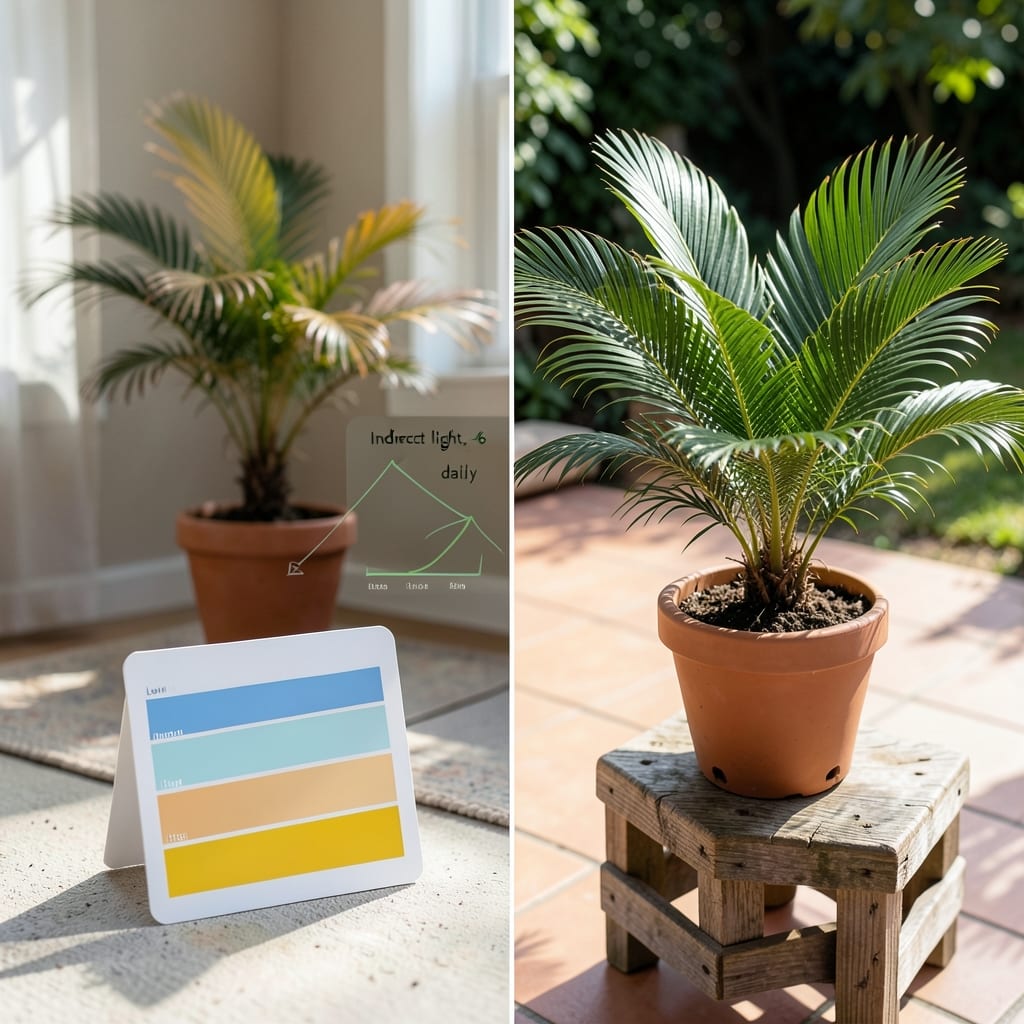
If your 🌴 palm plant is struggling with yellowing fronds or slow growth, the answer might be simpler than you think—it’s all about how much light does a palm plant need. Understanding this is the key to keeping it thriving, whether you're growing one indoors or outdoors in zone 6a.
Palms are diverse, and their light needs vary wildly—some love bright, indirect sunlight, while others bask in full sun for 6+ hours daily. Getting this balance right can mean the difference between a lush, healthy plant and one that’s barely hanging on. Let’s break down the exact light conditions your palm craves and how to spot when it’s getting too much (or too little).
Whether you’re dealing with a low-light Kentia palm or a sun-loving Areca, I’ll show you how to adjust care based on your space. You’ll learn to recognize the signs of light stress and how to tweak your setup for ideal growth, even in tricky indoor environments.
Ready to give your palm the perfect lighting conditions? Let’s dive into the specifics so you can watch it flourish—no guesswork required.

Palm plant light requirements by species: sunlight needs breakdown
Not all palms thrive under the same sunlight conditions—some love bright, direct light, while others prefer gentle, indirect rays. Understanding your palm’s native habitat is key: tropical palms (like the Areca) evolved in shady rainforests, while desert palms (like the Pindo palm) bask in full sun. Even a single wrong placement can cause leaf scorch or stunted growth. Let’s break down the ideal sunlight hours for popular palm species to keep yours lush and healthy.
For low-light palms, aim for 2–4 hours of filtered sunlight daily—think east-facing windows or dappled shade outdoors. These varieties tolerate artificial lighting best, making them perfect for offices or dimly lit homes. Medium-light palms need 4–6 hours of bright, indirect light, thriving near south-facing windows or under 60% shade cloth. Meanwhile, full-sun palms crave 6+ hours of direct rays, mimicking their desert or coastal origins. Without enough light, even sun-loving palms will show yellowing fronds or weak trunks.
🌱 Key Insight: Palm leaves act like solar panels—too little light = slow growth; too much = sunburned tips. The trick is matching your palm’s species traits to your home’s light map. Below, we’ll compare 10 common palms so you can pick the perfect match for your space.
Palm Light Requirements Summary
| Palm Species | Ideal Sunlight | Indoor Placement | Outdoor Conditions |
|---|---|---|---|
| Areca Palm (Dypsis lutescens) | Bright, indirect light (2–4 hrs) | East/west window, 5–10 ft away | Partial shade (30–50% shade cloth) |
| Kentia Palm (Howea forsteriana) | Low to medium light (1–3 hrs) | North window or fluorescent grow lights | Dappled shade (70%+ coverage) |
| Parlor Palm (Chamaedorea elegans) | Low light (1–2 hrs) | Hallway, bathroom, or grow lights | Full shade (under trees) |
| Pindo Palm (Butia capitata) | Full sun (6+ hrs) | Not ideal indoors (needs outdoor space) | Direct sun (desert or coastal climates) |
| Bismarck Palm (Bismarckia nobilis) | Full sun to partial shade (4–6 hrs) | South window with sheer curtain | Morning sun, afternoon shade |
| Mediterranean Fan Palm (Chamaerops humilis) | Partial shade (3–5 hrs) | Bright corner, 3–5 ft from window | Filtered light (avoid harsh afternoon sun) |
| Majesty Palm (Ravenea rivularis) | Medium light (4–6 hrs) | South/west window with indirect light | Morning sun, afternoon partial shade |
| California Fan Palm (Washingtonia filifera) | Full sun (6–8 hrs) | Not suitable for indoors | Direct sun (arid climates only) |
| Lady Palm (Rhapis excelsa) | Low to medium light (1–4 hrs) | North window or grow lights | Dappled shade (tropical forests) |
| Sago Palm (Cycas revoluta) | Full sun to partial shade (4–6 hrs) | South window (tolerates direct light) | Morning sun, afternoon shade (USDA Zones 8–11) |
See how your palm stacks up? For example, the Areca palm (a tropical favorite) will yellow and crisp if placed in direct afternoon sun, while the Pindo palm (a desert dweller) will wilt without 6+ hours of full sun. Pro tip: Rotate your palm every 2–4 weeks to ensure even growth—leaves naturally lean toward light sources, creating an uneven silhouette. This simple habit prevents lopsided fronds and keeps your palm looking symmetrical and healthy.
If you’re unsure about your home’s light intensity, try the
Signs your palm isn’t getting enough (or too much) light
Your palm plant might look healthy on the surface, but subtle clues reveal whether it’s getting the right amount of light. Yellowing fronds are the most obvious red flag—this often signals too much direct sun or nutrient deficiencies from poor light. But other signs, like brown tips or slow growth, can also point to lighting issues. Learning to read these signals helps you adjust care before permanent damage occurs.
Watch for crispy, dry edges on leaves, which indicate sunburn from harsh afternoon rays. On the flip side, pale, limp fronds suggest your palm isn’t getting enough light to photosynthesize properly. Even the growth rate tells a story—palms in low light grow slowly and leggy, while those in too much sun may develop stunted, compact fronds. These visual cues are your early warning system.
🌱 Quick Diagnostic: Hold a flashlight under your palm’s leaves. If they’re dark green and dense, it’s likely getting enough light. If they’re light green or sparse, it’s time to move it closer to a brighter spot.
⚠️ Warning: Light Stress Symptoms
Too Little Light:
- ✅ Pale, yellow fronds (chlorosis)
- ✅ Leggy, sparse growth (stretching toward light)
- ✅ Slow or no new fronds (dormant growth)
Too Much Light:
- ❌ Brown, crispy tips (sunburn)
- ❌ Bleached or white patches on leaves
- ❌ Curled or brittle fronds (dehydration stress)
💡 Fix: Move indoor palms 3–5 ft from windows; use sheer curtains to diffuse harsh rays.
If your palm’s fronds are drooping even after watering, it might be light-starved. Try placing it near a south-facing window or supplement with a grow light (12–14 hours/day). For outdoor palms, watch for afternoon shade needs—many tropical species wilt in midday heat. Adjusting light exposure can reverse these issues within 4–6 weeks of proper care.
Pro tip: Rotate your palm quarterly to prevent one-sided growth. Uneven fronds often mean it’s leaning toward the light source. This simple habit ensures balanced growth and healthier foliage over time.
Still unsure? Snap a photo of your palm’s fronds and compare them to the symptoms above. If you see multiple warning signs, it’s time to reassess placement—your palm will thank you with vibrant, lush new growth in no time. 🌿