
Light Requirements
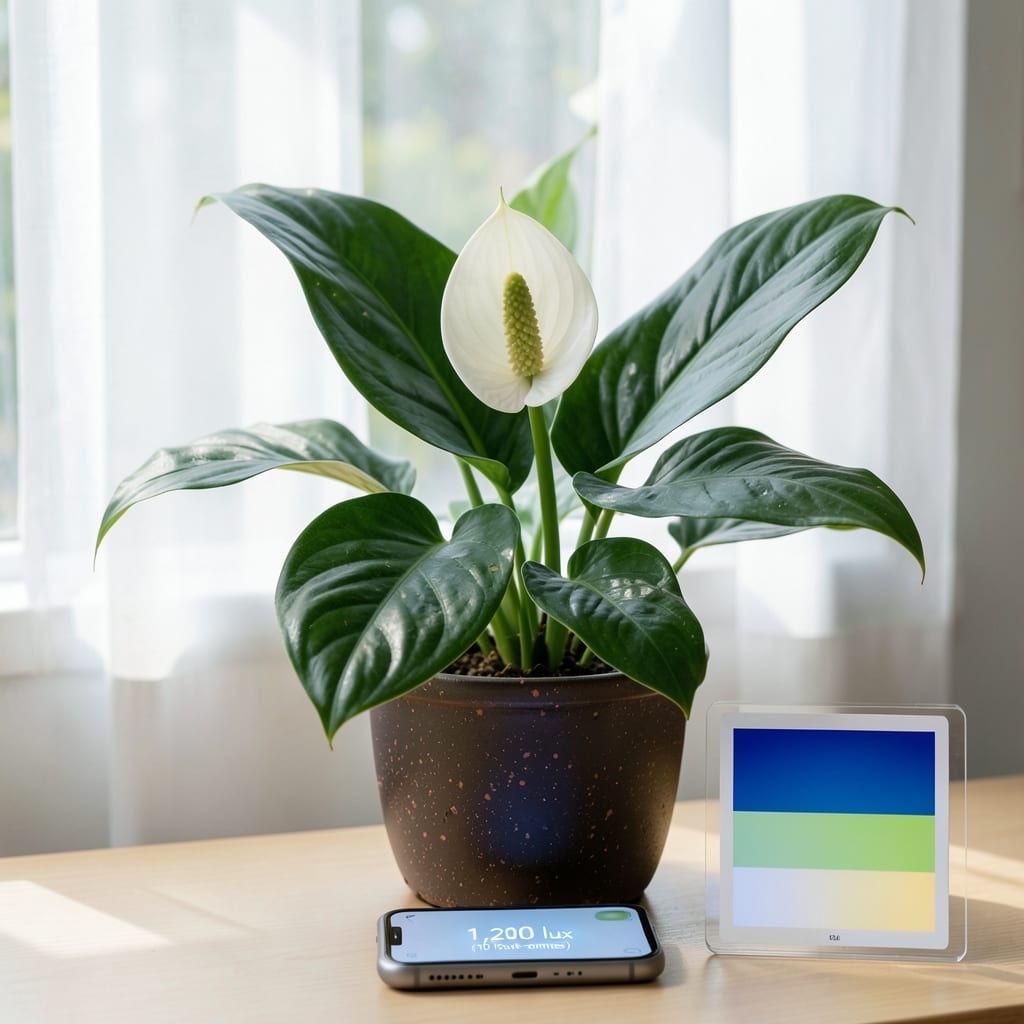
If your peace lily 🌿 looks tired and droopy, you might be wondering how much light this plant needs to thrive. This elegant plant thrives in conditions that surprise most people, making it the perfect low-maintenance houseplant for busy homes.
The secret to keeping your peace lily lush and healthy lies in understanding its light preferences. Unlike sun-loving plants, this beauty prefers bright, indirect sunlight—think filtered light from a north-facing window or a cozy corner away from harsh rays. Too much direct sun can scorch its leaves, while too little light slows growth and dims those iconic white blooms.
I’ve helped countless plant parents revive their peace lilies by adjusting their light exposure, and the results are always stunning. Whether you’re dealing with yellowing leaves or stunted growth, the fix might be as simple as moving your plant to the right spot. Let’s explore exactly how much light your peace lily needs—and how to create the perfect environment for it to flourish.
From diagnosing light issues to picking the best spot in your home, you’ll learn everything you need to keep your peace lily thriving. No more guesswork—just lush, happy plants that reward you with beautiful blooms all year round.
 Best Window Placement
Peace lily light requirements: ideal sunlight conditions for healthy growth
The peace lily (Spathiphyllum) thrives in low to medium indirect sunlight, making it perfect for homes with limited natural light. Unlike sun-loving plants, peace lilies avoid direct sun, which can scorch their delicate leaves. Their natural habitat—shady rainforests—explains why they prefer dappled or filtered light over harsh sunlight.
For optimal growth, aim for 2-4 hours of bright, indirect light daily. This mimics their forest understory environment and prevents stress. Too little light causes slow growth, while too much can bleach leaves or cause crispy edges. Think of it as the Goldilocks rule: not too hot, not too cold, but just right.
Peace lilies are adaptable, but their ideal light conditions depend on the season. In spring and summer, they tolerate slightly more light, while fall and winter require dimmer spots. This flexibility makes them ideal for offices, bathrooms, or north-facing rooms where direct sun is absent.
🌱 Peace Lily Light Requirements Summary
| Light Type | Daily Exposure | Best Window | Seasonal Adjustments |
|---|---|---|---|
| Bright Indirect | 2-4 hours | North-facing | More light in summer, less in winter |
| Low Light | 0-2 hours | East/west-facing | Ideal for winter months |
| Direct Sun | 0 hours | Avoid south-facing | Causes leaf burn |
Understanding photosynthesis in peace lilies helps explain their light needs. These plants use C3 photosynthesis, which is less efficient in high light or heat. Their leaves close slightly in bright conditions to conserve water—a survival trait from their humid, shaded habitats. This is why they flourish in consistent, moderate light rather than intense sunlight.
If you’re unsure about your home’s light levels, place your peace lily near a north-facing window as a test. North light is the gentlest and most consistent, providing the perfect balance for this plant. Observe its leaves over a week: if they stay dark green and upright, you’ve found the sweet spot.
For those with south-facing windows, use a sheer curtain to diffuse light. Position the plant 3-5 feet away from the glass to prevent leaf scorch. Artificial grow lights (like full-spectrum LEDs) can supplement natural light in dim spaces, but keep them 6-12 inches above the plant for 12-14 hours daily.
One common misconception is that peace lilies need dark corners to thrive. While they tolerate low light, they won’t grow vigorously without some indirect light. Think of it like a teenager: they’ll survive in their room with the lights off, but they’ll thrive with a little sunlight streaming in.
To maximize growth, rotate your peace lily quarter-turns every 2 weeks. This ensures even light exposure, preventing lopsided growth. Watch for new leaves: healthy ones should emerge upright and glossy, not stretched or pale—a sign of insufficient light.
Remember, peace lilies are forgiving but not invincible. While they adapt to various light conditions, pushing their limits (like placing them in a windowless closet) will stunt their growth. The key is balance: enough light to fuel photosynthesis, but never enough to cause stress.
Signs your peace lily isn’t getting the right light (and how to fix it)
Your peace lily 🌿 might be silently screaming for help if its leaves start showing unusual signs. One of the most common issues is drooping leaves, which often signals either too much direct sun (causing dehydration) or insufficient light (leading to weak stems). Watch for leaves that fold inward or feel limp—this is your plant’s way of saying, "I need a better spot!"
Another red flag is yellowing leaves, especially on older foliage. While some yellowing is natural, sudden patches or entire leaves turning yellow can indicate light stress. Too little light causes slow growth and nutrient deficiencies, while too much light leads to chlorophyll breakdown. Check the undersides of leaves for brown or crispy spots—a sure sign of sunburn from harsh rays.
If your peace lily’s leaves develop brown tips, it could be a light or humidity issue. Low humidity combined with bright indirect light can dry out leaf edges, but direct sun exposure is the most likely culprit. Brown tips often appear first on the older leaves, spreading inward if the problem persists. To fix this, move your plant to a shadier spot and increase humidity with a pebble tray or misting.
⚠️ Warning: Light-Related Stress Signs
✅ Drooping leaves = Too little light or overwatering in bright conditions.
✅ Yellowing leaves = Light deficiency or nutrient imbalance from poor light.
✅ Brown tips = Low humidity + bright light or direct sun exposure.
✅ Stunted growth = Chronic low light preventing photosynthesis.
✅ Pale or streaked leaves = Too much direct sunlight bleaching chlorophyll.
If your peace lily’s growth slows dramatically, it’s likely not getting enough light. Healthy peace lilies produce new leaves every 4-6 weeks, but in low-light conditions, growth can stall entirely. Look for small, pale leaves—a classic sign of insufficient light. To encourage growth, move your plant to a brighter spot (but still indirect) and consider adding a grow light if natural light is limited.
One often-overlooked sign is lack of blooms. Peace lilies produce their iconic white flowers when they receive consistent, moderate light. If your plant isn’t flowering, it may need 2-4 hours of bright indirect light daily. Too little light suppresses blooming, while too much can cause the buds to drop before opening. The solution? Find that sweet spot of filtered light—like an east-facing window or a north-facing spot with sheer curtains.
To diagnose your peace lily’s light needs, perform a simple light audit. Place a white piece of paper near your plant for a few hours—if the paper stays mostly white, your plant is getting too little light. If it turns yellow or brown, your plant is getting too much direct sun. Adjust accordingly: move closer to a window for more light or add a sheer curtain to diffuse harsh rays.
Remember, peace lilies are resilient but need consistent conditions. If you’ve ruled out pests, overwatering, or poor soil, light is likely the issue. With the right adjustments—whether moving to a brighter spot or adding artificial light—your peace lily will bounce back in 2-4 weeks. Keep an eye on those leaves, and you’ll see the difference in no time!