
Light Requirements
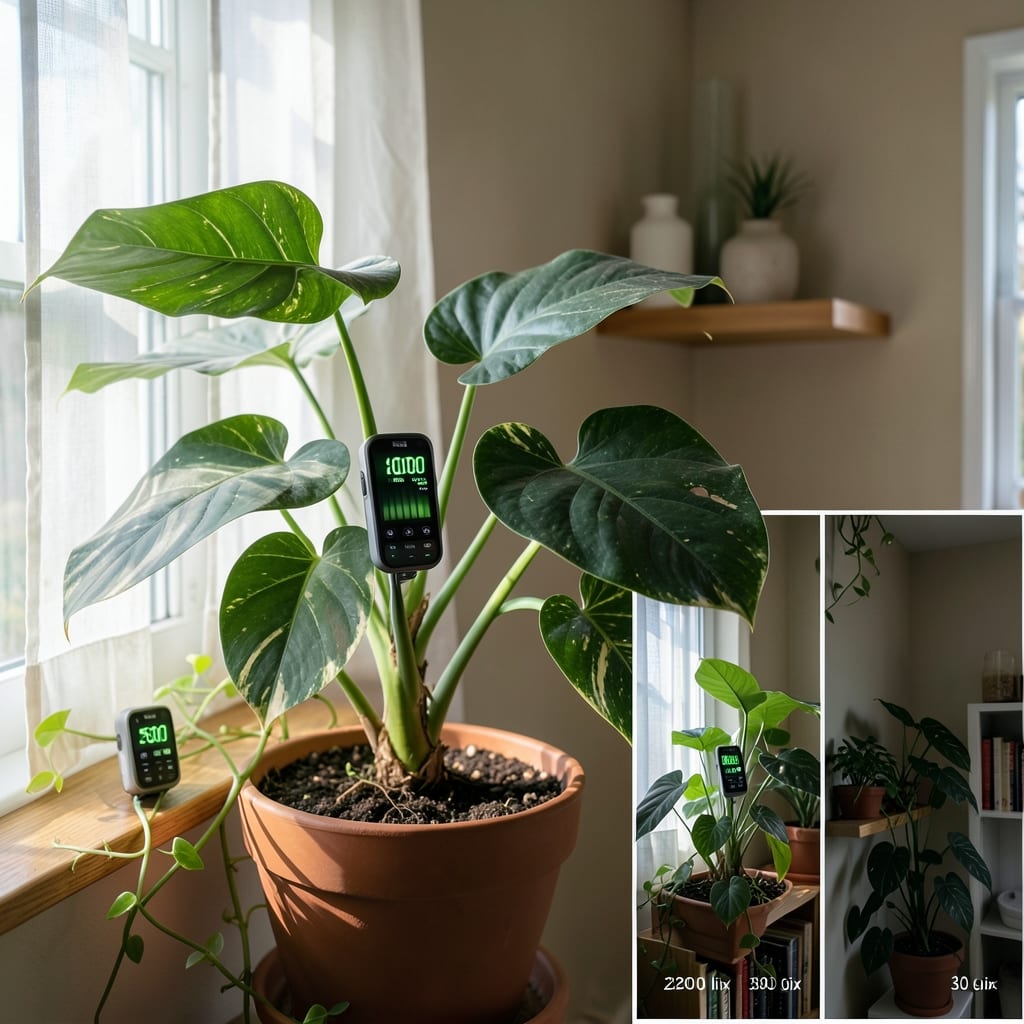
If you’re wondering how much light does a philodendron plant need, your struggling plant—yellowing leaves, slow growth, or limp vines—might be getting it all wrong. The truth is, most people either overthink or underestimate how much light this popular houseplant actually needs, and small adjustments can make a huge difference in its health.
Philodendrons are famously adaptable, but they still thrive best with bright, indirect light. Too much direct sun can scorch those lush leaves, while too little leaves them stretching and pale. Whether you're dealing with a trailing heartleaf or a bold split-leaf variety, finding the right balance is the key to keeping your plant happy and vibrant.
I’ve helped countless plant parents rescue their struggling philodendrons by tweaking just one thing: their placement. You’ll discover exactly where to position your plant—whether indoors near a window or outdoors in partial shade—to avoid common light-related problems and encourage lush, healthy growth.
From recognizing the signs of over- or under-exposure to creative solutions for low-light spaces, this guide will give you the confidence to keep your philodendron thriving year-round. Let’s get started!

Philodendron light requirements by variety: brightness zones explained
The philodendron family is famously flexible, but not all varieties play by the same light rules. Heartleaf philodendrons (Philodendron hederaceum) are the most forgiving, thriving in low to bright indirect light, while split-leaf philodendrons (Philodendron bipinnatifidum) demand more light to showcase their dramatic foliage. Understanding these brightness zones prevents common issues like leaf burn or leggy growth.
Most philodendrons fall into three light categories: low light (100-500 foot-candles), medium light (500-1,000 foot-candles), or bright indirect light (1,000-2,000 foot-candles). For example, my Philodendron Brasil (a medium-light lover) grows best near an east-facing window, while my Xanadu variety (a high-light type) thrives under a sheer curtain on the south side.
Here’s how to match your philodendron to its ideal light zone—plus real-world placement tips for homes and gardens:
| Variety | Ideal Light Zone | Foot-Candles | Indoor Placement | Outdoor Placement |
|---|---|---|---|---|
| Heartleaf (Philodendron hederaceum) | Low to Medium | 100-1,000 | North-facing window or 5+ feet from south/west windows | Dappled shade under trees |
| Brasil (Philodendron 'Brasil') | Medium | 500-1,500 | East-facing window or 3-4 feet from south window | Partial shade (morning sun, afternoon shade) |
| Split-Leaf (Philodendron bipinnatifidum) | Bright Indirect | 1,000-2,000 | South-facing window with sheer curtain | Bright indirect light (e.g., patio with morning sun) |
| Xanadu (Philodendron 'Xanadu') | Medium to Bright | 700-1,800 | West-facing window or 2 feet from south window | Filter sun through sheer fabric |
| Hope (Philodendron 'Hope') | Low to Medium | 200-800 | North or east window; tolerates fluorescent lighting | Shady spots under dense canopy |
Pro tip: Use a light meter app (like Light Meter by Aura) to test your space. Most smartphones can estimate foot-candles by comparing brightness to known sources—like a standard 60W bulb (about 300-400 foot-candles at 3 feet). If your reading is below 300, your philodendron is likely stretching for more light.
For outdoor philodendrons, avoid harsh afternoon sun (1 PM–4 PM), which can cause leaf scorch. Instead, position them where they receive morning sun and afternoon shade, like under a pergola or near a building’s north side. My split-leaf philodendron in the garden thrives under a 30% shade cloth during summer months.
Remember, philodendrons are adaptable, but sudden changes in light can stress them. If you move your plant, do it gradually—rotate it weekly to ensure even growth and prevent lopsided vines. This slow adjustment mimics natural light shifts and keeps your philodendron’s leaves vibrant and healthy.
Even the most low-light tolerant philodendrons will eventually show signs of distress if deprived of adequate brightness. Watch for pale, yellowing leaves or stretched stems—these are clear signals it’s time to relocate your plant to a brighter spot. Trust me, a few small tweaks can transform a struggling philodendron into a lush, thriving centerpiece.
🌿
Philodendron light requirements by variety: brightness zones explained
Not all philodendrons are created equal when it comes to light! While most varieties thrive in bright, indirect light, some can handle lower light better than others. The key is understanding your specific variety’s tolerance to avoid leaf burn or etiolation (those sad, stretched-out vines). Let’s break down the ideal light zones for popular philodendron types, so you can place yours perfectly.
For Heartleaf philodendrons (Philodendron hederaceum), the most common variety, medium to bright indirect light is ideal. These plants can tolerate lower light but will grow slower and develop smaller leaves. Place them near an east-facing window or a few feet back from a south-facing window to avoid harsh afternoon sun.
If you’re growing a Split-Leaf philodendron (Philodendron bipinnatifidum), it’s a bit more demanding. These beauties need bright indirect light to maintain their dramatic foliage. Too little light, and their leaves will lose their bold patterns; too much direct sun, and they’ll develop crispy brown edges. A west-facing window with a sheer curtain works well for this variety.
Now, let’s talk about the Xanadu philodendron, a hybrid that’s more forgiving. It thrives in medium indirect light and can even handle some low-light conditions, making it perfect for offices or dimly lit rooms. However, avoid placing it in complete darkness—its growth will slow to a crawl.
The Brasil philodendron (Philodendron hederaceum ‘Brasil’) is another fan of bright indirect light but can adapt to medium light if needed. Its deep burgundy leaves need enough light to maintain their rich color, so if you notice fading, it’s time to move it closer to a light source.
| Variety | Light Needs | Ideal Placement | Signs of Stress |
|---|---|---|---|
| Heartleaf | Medium to bright indirect | East or north window, 3-5 ft away | Yellowing or small leaves |
| Split-Leaf | Bright indirect | West window with sheer curtain | Brown leaf edges or pale leaves |
| Xanadu | Medium indirect | Office or dim corner | Slow growth or leggy stems |
| Brasil | Bright indirect | South window, 4-6 ft away | Fading leaf color |
Pro tip: If you’re unsure about your philodendron’s variety, start with medium indirect light and observe its response. Most will tell you what they need through their leaves! For example, if you see new growth leaning toward the light, it’s time to rotate your plant for even exposure.
Outdoors, philodendrons love dappled shade under trees or on a covered patio. Just avoid full sun, which can cause irreversible damage. And remember, even indoor plants can benefit from a few hours of natural light—just keep them away from harsh rays.
Now that you know the ideal light zones for your philodendron, you’re one step closer to keeping it lush and thriving. Next, we’ll dive into how to spot when your plant is getting too much—or too little—light, so you can adjust its care before problems arise. 🌿