
Plants
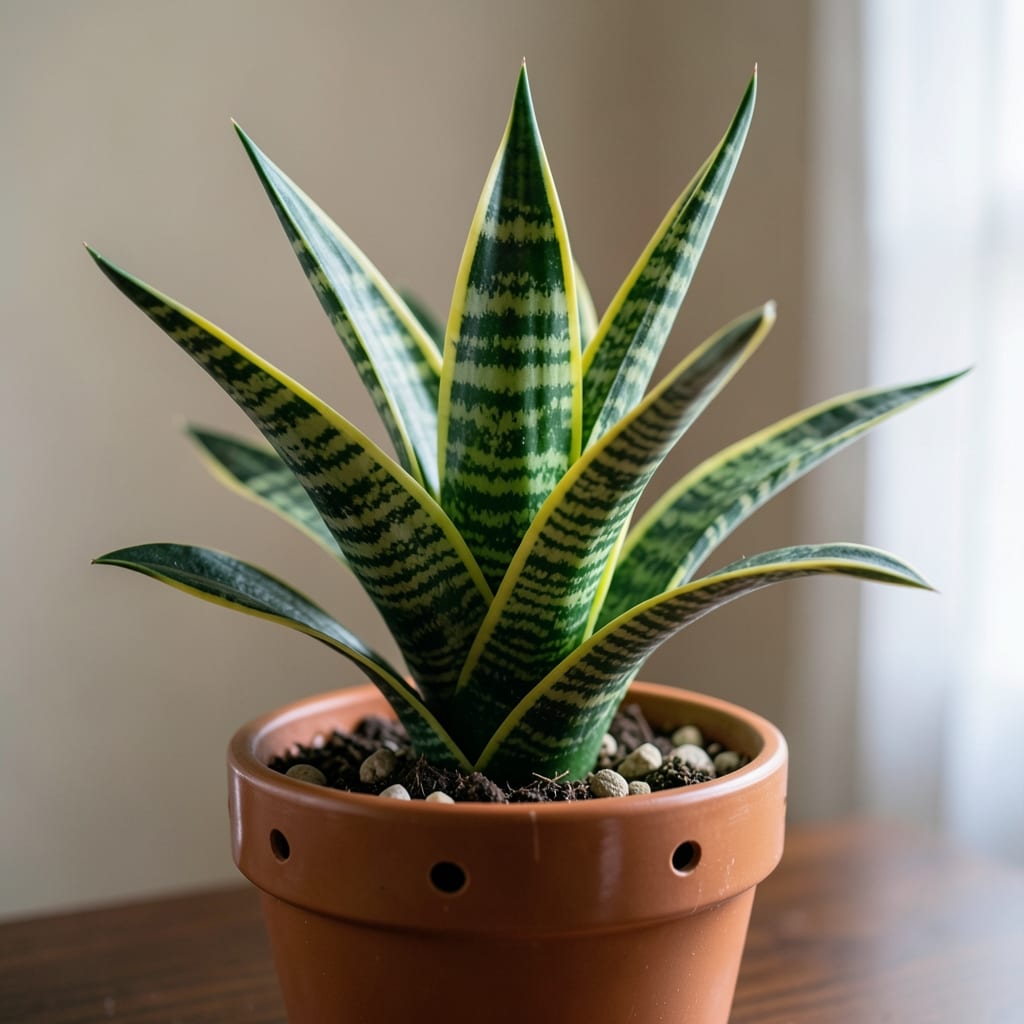
Rattlesnake plant light requirements: ideal conditions for healthy growth
Your rattlesnake plant (Calathea orbifolia) thrives in bright, indirect light—think of it as the Goldilocks of houseplants. Too little light, and its striking patterns fade or leaves turn pale. Too much direct sun, and you’ll see brown crispy edges from sunburn. The sweet spot? 4-6 hours of filtered light daily, like what you’d find near an east-facing window or under sheer curtains.
This plant’s natural habitat is the forest understory, where dappled sunlight filters through tree canopies. Replicating this means avoiding harsh afternoon rays. Even a south-facing window can be too intense—use a light sheer curtain to diffuse the brightness. If your home lacks natural light, don’t worry; we’ll cover artificial lighting solutions later.
Here’s the science behind it: Calathea orbifolia relies on chlorophyll to process light, but its leaves are adapted to low to medium light conditions. Too much direct UV exposure breaks down pigments responsible for its signature patterns, causing those beautiful stripes to dull. The plant’s variegation (color variations) actually helps it regulate light absorption, but it needs balance.
| Light Condition | Description | Ideal Placement |
|---|---|---|
| Bright Indirect Light | 4-6 hours of filtered sunlight (e.g., east window or 3-5 feet from west/south window with sheer curtain) | 2-3 feet from east-facing window; under grow lights 12-14 hours/day |
| Low Light Tolerance | Survives in 50-70% shade but grows slower; leaves lose vibrancy | North-facing windows; 6+ feet from bright windows; under fluorescent lights |
| Direct Sunlight | Leads to leaf burn (brown crispy edges) and faded patterns within 2-4 weeks | Avoid south/west windows without diffusion; never place in full sun |
If you’re unsure about your space’s light levels, try the shadow test: Place a white piece of paper near your plant’s spot. If the shadow is sharp and dark, the light is too direct. If it’s soft and fuzzy, you’ve hit the sweet spot. For office or bathroom setups, aim for areas with ambient light but no harsh glare—like near a skylight or fluorescent fixture.
Another trick is to observe your plant’s leaf response. Healthy rattlesnake plants have upright leaves with vibrant patterns. If leaves droop or curl, it’s often a sign of too little light. Conversely, yellowing or brown tips usually mean excess light or underwatering. We’ll dive deeper into these symptoms in the next section.
For those in apartment buildings with limited natural light, consider placing your plant near a west-facing window in winter (when sunlight is less intense) or investing in a full-spectrum LED grow light. Even 12-14 hours of artificial light daily can keep your rattlesnake plant thriving. Just remember: distance matters—keep grow lights 12-18 inches away to avoid leaf scorch.
One common misconception is that rattlesnake plants need no light. While they’re low-light tolerant, they won’t thrive in complete darkness (like a closet). Think of it like a human’s need for sunlight: You can survive without it, but you’ll feel better with just a little. Your plant’s growth rate and pattern clarity will suffer without adequate light, so don’t skimp!
If you’re still unsure about your home’s light conditions, take a photo of your plant’s current spot and compare it to the brightness scale in the table above. You’ll quickly see whether you’re in the ideal zone, low-light range, or danger zone. Adjusting your plant’s location can make all the difference in its long-term health.
Finally, remember that seasonal changes affect light intensity. In winter, days are shorter and sunlight is weaker, so your rattlesnake plant may need a temporary boost from artificial light. Conversely, in summer, you might need to move it further from windows to prevent overheating. Flexibility is key!
Rattlesnake plant light requirements: ideal conditions for healthy growth
Your rattlesnake plant (Calathea orbifolia) thrives in bright, indirect light—think of it as a plant that loves dappled sunlight, like under a canopy of trees. Direct sun can scorch its delicate leaves, while too little light dulls its stunning patterns. The ideal spot offers 4-6 hours of filtered light daily, balancing growth and vibrancy without stress.
For indoor growers, an east-facing window is perfect—it provides gentle morning light without harsh afternoon rays. If your home lacks natural light, don’t worry! These plants adapt well to medium indirect light, making them ideal for offices or bathrooms. Just avoid deep shadows or dim corners, as this can lead to leggy, weak growth.
🌿 Pro Tip: Rotate your plant every few weeks to ensure even light exposure. This prevents one side from stretching toward the window while the other remains pale.
| Light Condition | Ideal Location | Growth Impact |
|---|---|---|
| Bright Indirect Light | East/west windows, 2-3 ft away | Vibrant foliage, healthy growth |
| Low Light | North-facing rooms, offices | Slow growth, faded patterns |
| Direct Sunlight | South windows, no filter | Brown leaf tips, sunburn |
If you notice your rattlesnake plant’s leaves losing their pattern or turning pale, it’s craving more light. Move it closer to a window or supplement with a grow light for 6-8 hours daily. Conversely, if leaves develop crispy edges or yellow patches, it’s getting too much direct sun—immediately shift it to a shadier spot or add a sheer curtain.
💡 Science Note: Rattlesnake plants have underside leaves that absorb light efficiently, which is why they tolerate lower light better than many tropical plants. However, their striking variegation (those bold stripes!) fades in dim conditions, so aim for at least medium indirect light to keep them show-stopping.
For outdoor gardeners, place your rattlesnake plant in partial shade—think under a patio umbrella or near a tree with sparse branches. Avoid full sun, especially during peak summer hours (10 AM–4 PM), when UV rays can damage the leaves irreparably. With the right light, your plant will reward you with lush, patterned foliage for years!
☀️ Quick Fix: If your home’s lighting is inconsistent, group your rattlesnake plant with other low-light lovers like pothos or ZZ plants. They’ll all thrive together in the same cozy corner!