
Plants
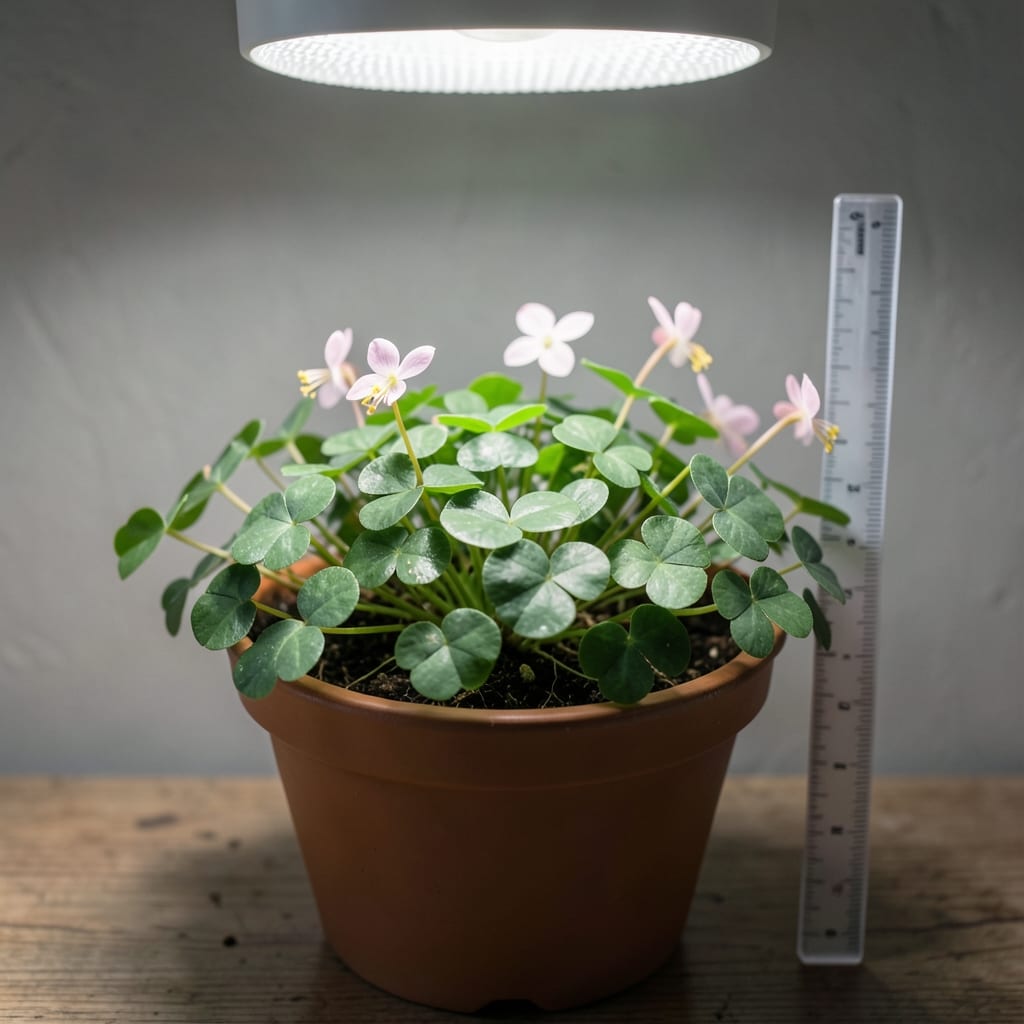
Optimal light requirements for shamrock plants: bright indirect sunlight explained
Shamrock plants (Oxalis spp.) thrive in bright indirect sunlight, making them perfect for homes with filtered light conditions. Unlike sun-loving succulents, these delicate plants burn easily under harsh midday rays, yet they won’t survive in deep shade. The ideal spot balances morning sun exposure with afternoon shade, mimicking their natural woodland habitat.
Most shamrock varieties—including the Irish shamrock (Oxalis acetosella) and lucky clover (Trifolium)—prefer 4-6 hours of indirect light daily. This means placing them near an east-facing window where sunlight is gentle, or using sheer curtains to diffuse south-facing light. Without enough brightness, your plant will stretch toward the light, producing long, weak stems and sparse foliage.
Outdoors, shamrocks grow best under dappled sunlight—think of the light filtering through tree canopies. In containers, rotate pots quarter-turns weekly to ensure even growth. If your shamrock starts developing pale, yellowing leaves, it’s signaling light deprivation, while brown leaf tips or crispy edges mean too much direct sun.
🌱
| Light Condition | Daily Exposure | Ideal Placement | Plant Response |
|---|---|---|---|
| Bright Indirect | 4-6 hours | East window, sheer curtain | Lush, compact growth |
| Low Light | <2 hours | North window, dim room | Leggy stems, sparse leaves |
| Direct Sun | >6 hours | South window, no filter | Brown leaf edges, wilting |
For indoor shamrocks, supplement natural light with grow lights if your space lacks windows. Use LED grow bulbs (5000-6500K color temperature) for 12-14 hours daily, positioning them 6-12 inches above the plant. Avoid placing shamrocks near heating vents or air conditioning units, as drafts combined with light fluctuations stress the plant.
Outdoor gardeners can create ideal conditions by planting shamrocks under shrubs or small trees where they receive morning sun and afternoon shade. In USDA Zones 6a-9b, they thrive in partial shade gardens, especially during summer’s intense sunlight. Mulch around the base to regulate soil temperature, which helps prevent light-related stress during heatwaves.
If you notice your shamrock’s leaves folding inward during the day, it’s a natural response to bright light—not a problem. However, if this persists with no recovery at night, your plant may be overheating. Move it to a cooler, shadier spot immediately. Conversely, shamrocks left in dim corners will develop etoliation, where stems elongate and leaves turn pale, making them vulnerable to pests like spider mites.
Pro tip: Test your shamrock’s light conditions with a simple DIY test. Place a white sheet of paper near the plant for a few hours. If the paper yellows or fades, the light is too harsh. If it stays unchanged, the light is safe. Adjust placement based on these results to keep your shamrock vibrant and healthy year-round.
🌿
How to adjust light conditions for different shamrock growth stages
Shamrock plants need different light levels depending on their growth stage. Seedlings and new cuttings require gentle, filtered light to prevent burning, while mature plants can handle slightly more brightness. Start seedlings under bright indirect light for 8-10 hours daily, gradually increasing exposure as they develop roots. If your shamrock is younger than 3 months, avoid direct sun entirely—even morning rays can scorch tender leaves.
For established shamrocks (over 6 months old), you can introduce 1-2 hours of morning sun to encourage stronger stems. However, always transition slowly—move plants to sunnier spots over 1-2 weeks to avoid shock. A common mistake is placing mature shamrocks in south-facing windows without acclimation, which leads to leaf scorch and stunted growth.
🌱
- 🌱 Seedlings (0-3 months): 4-6 hours of bright indirect light only; use sheer curtains or grow lights 6-12" away.
- 🌿 Young Plants (3-6 months): Gradually increase to 6 hours of light, including 1 hour of morning sun weekly.
- 🌳 Mature Plants (6+ months): 4-6 hours of indirect light with 2-3 hours of morning sun; avoid afternoon sun.
- 🌅 Seasonal Adjustments: In winter, supplement with grow lights for 12-14 hours to prevent light deprivation.
- 🌡️ Heatwave Tip: Move outdoor shamrocks to shadier spots when temps exceed 85°F (29°C) to prevent light stress.
Seasonal changes also affect your shamrock’s light needs. During winter, natural light decreases, and indoor shamrocks may need artificial lighting. Place grow lights 12-18 inches above the plant and run them for 14 hours daily to mimic longer daylight. If you notice stretched stems or pale leaves in winter, it’s a clear sign your shamrock needs more light—even if it’s been fine in summer.
Outdoor shamrocks experience natural light fluctuations throughout the year. In spring and fall, they thrive with 4-5 hours of morning sun, while summer’s intense light may require afternoon shade. If your shamrock is planted in a container, rotate it quarter-turns weekly to ensure even growth and prevent light-dependent leaf drop on one side.
For indoor shamrocks in dim spaces, like north-facing apartments, combine grow lights with reflective surfaces. Place the pot on a white tray or near a mirrored wall to bounce light toward the plant. This simple trick can double the effective light exposure without extra cost. Test your setup by observing leaf color—deep green leaves mean you’re on track, while yellowing edges signal too much light or nutrient burn.
🪴