
Light Requirements
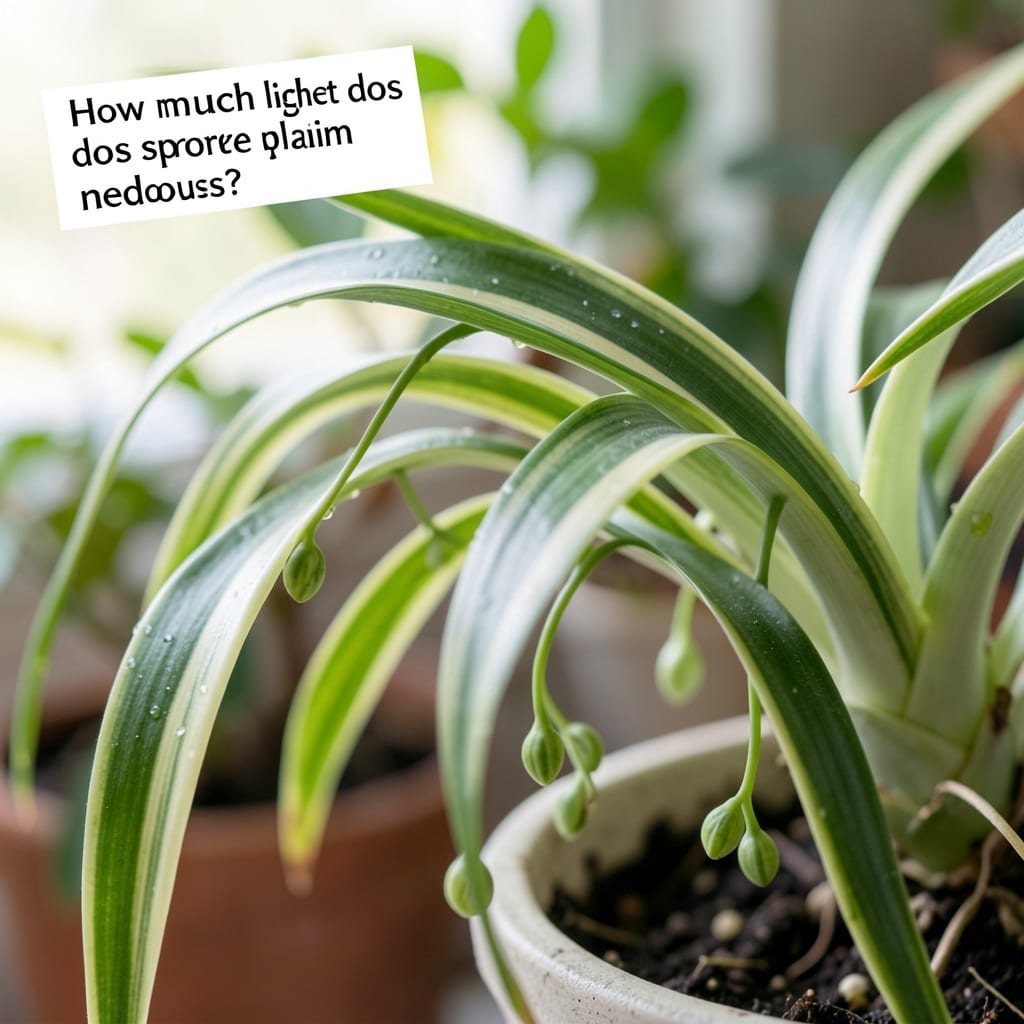
If you’re wondering how much light does a spider plant need indoors, the answer might surprise you—these hardy plants actually thrive in surprisingly little sunlight, but getting the balance wrong can turn your lush foliage into a sad, crispy mess overnight.
Most people assume spider plants need bright, direct light, but that’s a common misconception. The truth? They prefer bright, indirect light—think of a spot near an east or north-facing window where sunlight filters gently through curtains. Too much direct sun can scorch their leaves, while too little leaves them stretching desperately for light.
In this guide, I’ll break down exactly how much light a spider plant needs indoors—including the ideal 4-6 hours of indirect sunlight per day—and how to spot signs of light stress before it’s too late. Whether you’re dealing with a dim office corner or a sun-drenched kitchen, you’ll learn how to create the perfect growing conditions for your plant.
Ready to turn your spider plant from struggling to stunning? Let’s dive into the simple secrets that will keep those variegated leaves happy and healthy all year round.

Ideal light requirements for spider plants: the 4-6 hour rule explained
Spider plants are masters of adaptability, but their ideal light requirements hinge on one key rule: 4-6 hours of bright, indirect sunlight daily. This means they don’t need the harsh glare of a south-facing window but also won’t thrive in a dim closet. Think of it like a gentle morning coffee—just enough to wake them up without burning them.
Most people mistakenly assume these plants love direct sunlight, but that’s a fast track to crispy, brown leaves. The variegated patterns on spider plant foliage actually rely on indirect light to maintain their striking colors. Without it, those beautiful stripes fade to plain green, and growth slows dramatically.
| Light Condition | Daily Hours Needed | Effects on Plant | Best Window Placement |
|---|---|---|---|
| Bright Indirect | 4-6 hours | Healthy growth, vibrant variegation, compact leaves | East or North-facing, 2-3 feet from window |
| Low Light | <4 hours | Leggy growth, pale leaves, weak stems | North-facing deep inside room |
| Direct Sunlight | >6 hours | Brown leaf tips, sunburn spots, crispy edges | South or West-facing without filter |
| Artificial Grow Light | 6-8 hours | Steady growth, maintains variegation | 12-18 inches above plant |
For east-facing windows, this means placing your spider plant within 2-3 feet of the glass during morning hours. If you have a north-facing window, they’ll appreciate being slightly closer (1-2 feet) since northern light is softer. The key is to avoid the harsh afternoon sun that streams through south or west windows—this can cause leaf scorch within days.
If your home lacks natural light, don’t despair. Spider plants are one of the few houseplants that can tolerate low-light conditions (though growth will be slower). In these cases, supplement with a 12-inch LED grow light for 6-8 hours daily. I’ve kept mine thriving in offices with fluorescent lighting by positioning the plant 12-18 inches below the fixture.
The variegated varieties (like 'Variegatum') need slightly more light than solid green types to maintain their patterns. If you notice the white stripes disappearing, it’s your plant’s way of saying, "I need more gentle sunlight!" But be careful—even these varieties can’t handle direct sun.
Pro tip: Rotate your spider plant quarter-turn every 2 weeks. This ensures even growth and prevents the plant from leaning toward one light source. I do this while watering, and it only takes 10 seconds—worth it to keep those leaves symmetrical!
Watch for brown tips or yellowing leaves, which are classic signs of light stress. These issues often get blamed on watering, but 80% of the time, it’s actually about light exposure. We’ll dive deeper into these signs in the next section.
Signs your spider plant isn’t getting enough (or too much) light
Your spider plant speaks volumes through its leaves—if you know what to watch for. One of the first signs of light stress is brown tips, which often get blamed on overwatering. But in reality, these crispy edges usually mean your plant is either baking in direct sun or stretching desperately for light in a dim corner. I’ve seen this mistake countless times, especially with plants near south-facing windows.
When a spider plant lacks sufficient light, its leaves start to lose their variegation, turning dull green. The white stripes on varieties like 'Variegatum' fade because they need bright indirect light to maintain their striking patterns. Even the leaf shape changes—expect long, thin, and leggy growth when your plant is light-deprived. It’s like watching it reach for a light source you can’t see!
Too much direct sunlight causes sunburn spots that look like white or yellow patches on the leaves. These areas eventually turn brown and crispy, creating a fried-edge effect. If you notice this, move your plant farther from the window or add a sheer curtain to diffuse the light. I once had a spider plant with severe sunburn after moving it to a west-facing window—it took weeks to recover!
Another telltale sign is when your spider plant’s growth slows dramatically. Healthy plants produce new offshoots (spiderettes) regularly, but light-stressed plants may go months without new growth. If you’re not seeing baby spider plants dangling from the ends of the leaves, it’s time to reassess your light setup.
For variegated varieties, pay extra attention to the white stripes. If they start fading to green, your plant needs more light—but not direct sun. I’ve found that placing these varieties near an east-facing window with a sheer curtain often brings back their vibrant patterns within weeks. The key is finding that sweet spot of bright indirect light.
Don’t forget to check the soil moisture too—light-stressed plants often develop root issues because their energy is focused on reaching for light rather than healthy root development. If you suspect light problems, try moving your plant to a better-lit spot for 2 weeks and observe changes. Most spider plants show improvement within 10-14 days of proper light exposure.