
Companion Plants
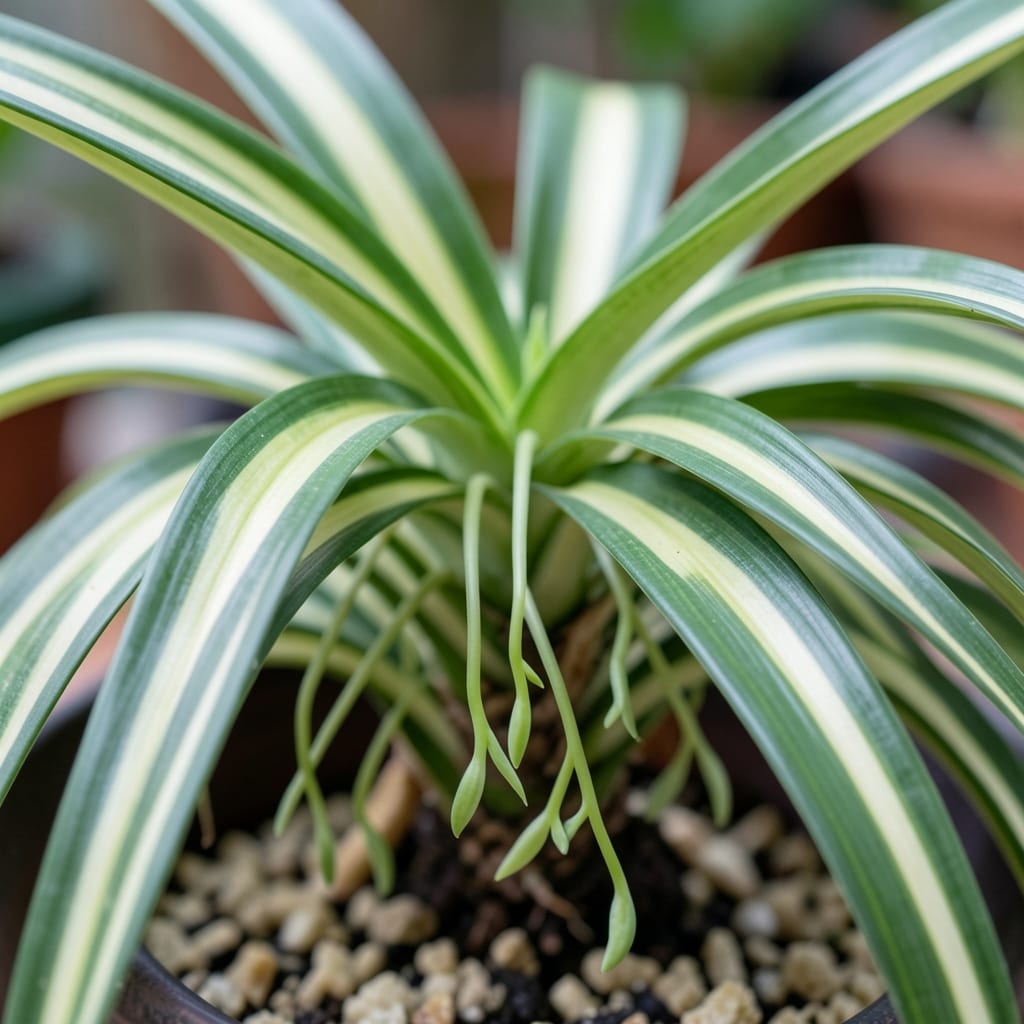
Ideal light requirements for spider plants: bright indirect sunlight explained
Spider plants (Chlorophytum comosum) thrive in bright indirect sunlight, making them perfect for homes with natural light but no harsh midday rays. Unlike sun-loving plants, they avoid direct sun to prevent leaf burn—those crispy brown edges are a clear sign of too much intensity. Their natural habitat in shady forest floors explains why they adapt well to lower light, though growth may slow without enough brightness.
The sweet spot is 4-6 hours of filtered light daily, achieved by placing them near east-facing windows or a few feet back from south-facing windows. This mimics their native conditions where sunlight dapples through tree canopies. Even in low-light offices, they’ll survive, though you’ll likely see fewer spiderettes (those adorable baby plants).
Photosynthesis efficiency peaks in moderate light—too little, and the plant stretches toward light (etiolation), while too much causes chlorosis (yellowing leaves). Think of it like Goldilocks: not too dim, not too bright, but just right for those arching, striped leaves we all love.
| Light Condition | Ideal Placement | Growth Impact |
|---|---|---|
| Low Light (<300 ft-c) | North-facing windows, offices, hallways | Survives but grows slowly; fewer spiderettes |
| Medium Light (300-1,000 ft-c) | East/west windows, 2-3 ft from south window | Optimal growth; vibrant stripes; frequent offsets |
| High Light (>1,000 ft-c) | Direct sun, near glass doors | Leaf burn; crispy edges; stunted growth |
| Direct Sun | South-facing windows without filter | Severe damage; yellowing; leaf drop |
For urban apartments with limited natural light, a grow light (like a LED full-spectrum bulb) can supplement during winter months when daylight fades. Place it 6-12 inches above the plant for 12-14 hours daily—this mimics summer light cycles and keeps your spider plant happy year-round.
Pro tip: Rotate your plant quarter-turns every 2 weeks to ensure even growth. Spider plants naturally grow toward light, so uneven exposure leads to lopsided foliage. This simple habit keeps those arching leaves symmetrical and healthy.
Outdoors, partial shade (like under a patio umbrella) works well in USDA Zones 9-11. In cooler zones, bring them inside before temperatures drop below 50°F—cold drafts stress the plant, and combined with low light, it can lead to root rot.
If your spider plant starts drooping slightly in winter, it’s likely light-deprived. Move it closer to a window or add a reflective surface (like a white wall or mirror) to bounce light onto the leaves. Even a 10% increase in light can revive droopy growth within weeks.
Remember: Yellow leaves aren’t always a light issue—check watering first! But if the stripes fade or leaves turn dark green, it’s a cry for more brightness. Balance is key: your spider plant wants to stretch toward light but not fry in it. 🪴
For office environments, place your spider plant on a desk near a window (not in a dark corner). The humidity boost from its leaves also helps combat dry indoor air—double the benefits! Just avoid air conditioning vents or heating ducts, which create inconsistent light and temperature swings.
Signs your spider plant has too much or too little light (and how to fix it)
Your spider plant speaks volumes through its leaves—if you know what to watch for. Too much light causes crispy, brown edges, while too little light leads to yellowing or stretched-out, pale leaves. These visual cues are your plant’s SOS signals, and acting fast can save it from irreversible damage.
Start by examining the leaf tips. Brown, crispy edges mean direct sun is burning your plant. This often happens near south-facing windows where afternoon rays intensify. The center leaves may also show bleached or white patches from overexposure, a clear sign of sun scald.
On the flip side, yellowing leaves or leggy, sparse growth scream for more light. Your spider plant might be tucked in a dim corner or behind heavy curtains. Without enough bright indirect light, it struggles to photosynthesize efficiently, leading to weak, stretched stems and fewer baby spiderettes.
🚨 Warning: Light Stress Symptoms
Too Much Light: Brown, crispy leaf tips; white/yellow patches on leaves; rapid browning.
Too Little Light: Yellowing leaves; leggy, sparse growth; pale, weak stems; few/no spiderettes.
Fix It: Move to bright indirect light (east/north window) or use sheer curtains to diffuse harsh rays.
If you spot brown tips, relocate your plant immediately to a spot with filtered sunlight. A sheer curtain or placing it 2-3 feet from a window can make a world of difference. For leggy growth, consider supplementing with a grow light (12-14 hours/day) to mimic natural light cycles.
Pro tip: Rotate your plant quarter-turns every few weeks to ensure even light exposure. This prevents one-sided growth and keeps those arching leaves symmetrical. Your spider plant will reward you with vibrant, healthy foliage and plenty of pups for propagation.
Remember, spider plants are resilient but not invincible. Addressing light issues early can prevent long-term damage. With the right balance, your plant will thrive year-round, even in less-than-ideal lighting conditions.