
Light Requirements
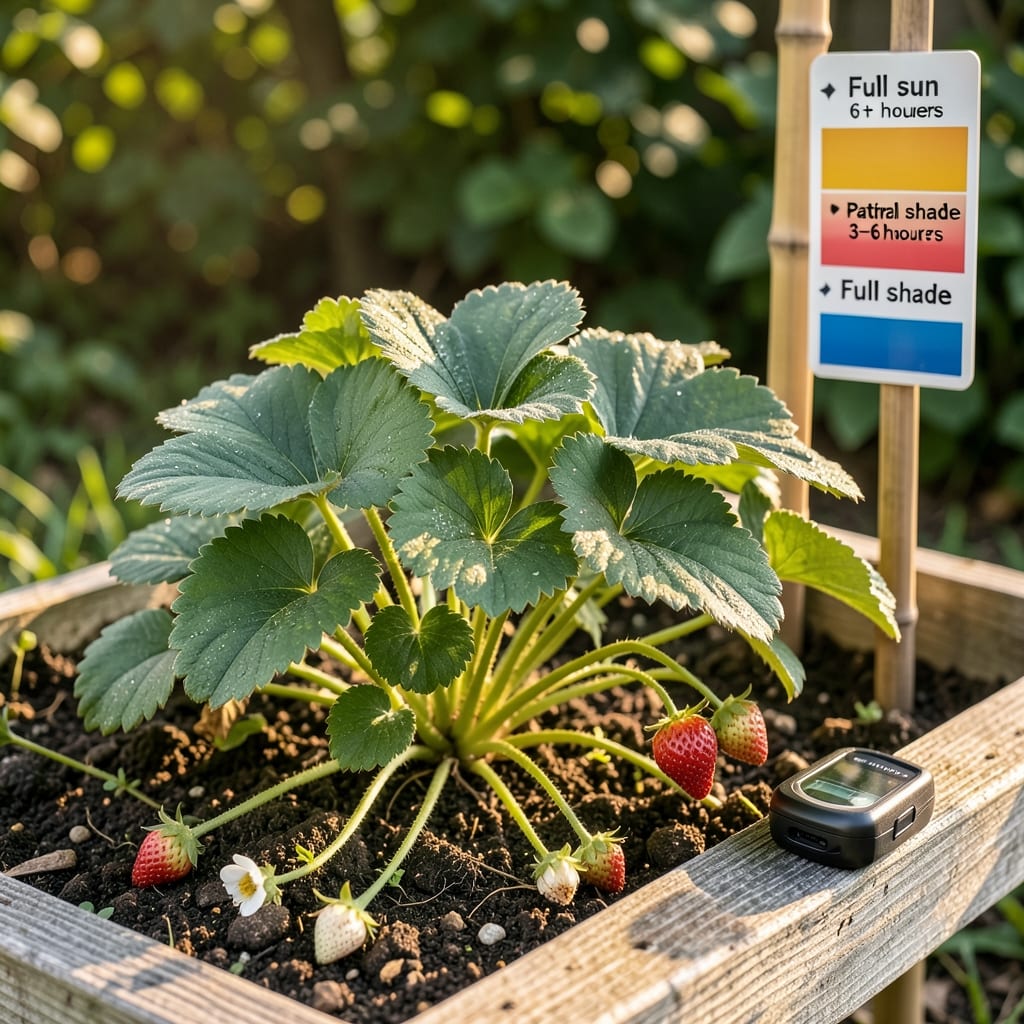
Optimal sunlight hours for strawberry plants: the science behind 6-10 hours of daily light
Strawberries are sun-worshippers, and their light needs directly impact your harvest. For peak production, aim for 6-10 hours of direct sunlight daily. This range ensures robust growth during the vegetative stage and abundant fruiting. Without enough light, your plants may focus energy on leaves instead of berries, leaving you with fewer sweet treats.
Sunlight triggers photosynthesis, the process that fuels plant growth and fruit development. During the fruiting stage, strawberries need even more light—up to 8-10 hours—to ripen berries properly. Skimp on sunlight, and you’ll likely end up with small, tart berries instead of the juicy, flavorful ones you crave.
Here’s the science: Strawberries convert sunlight into energy through chlorophyll in their leaves. Full sun exposure (6+ hours) maximizes this process, while partial shade (4-6 hours) can stunt growth and reduce yields. In shady conditions, plants may stretch toward light, creating weak stems that struggle to support heavy fruit.
Now, let’s talk seasonal adjustments. In summer months, strawberries thrive with full sun all day, especially in hot climates. But in cooler seasons, like spring or fall, they may tolerate partial shade (4-6 hours) without major setbacks. Always monitor your plants’ response to light—if leaves look pale or stems stretch excessively, it’s time to adjust their placement.
| Growth Stage | Ideal Sunlight | Result of Insufficient Light |
|---|---|---|
| Vegetative (Early Growth) | 6-8 hours | Weak stems, sparse foliage |
| Fruiting (Berry Production) | 8-10 hours | Small, tart berries; poor yield |
| Summer Heat Stress | 6+ hours (with afternoon shade) | Sunburned leaves, reduced flowering |
| Partial Shade (4-6 hours) | Tolerated in cooler climates | Slower growth, fewer berries |
Measuring sunlight accurately is key. Use a sunlight tracker or observe your garden’s microclimates. Trees, fences, and buildings can cast unexpected shadows, so rotate containers or relocate plants if needed. For container growers, place pots on reflective surfaces like gravel or light-colored mulch to bounce extra light onto leaves.
Climate plays a role too. In hot, dry regions, provide afternoon shade to prevent leaf scorch, while cooler, cloudy areas may need supplemental grow lights during winter. If you’re in USDA Zone 6a or warmer, strawberries can handle more direct sun, but always acclimate them gradually to avoid shock.
Pro tip: Watch your strawberries’ leaf color. Dark green leaves with a slight red tint indicate optimal light, while pale or yellowing leaves signal a deficiency. Adjust their spot immediately—your future harvest depends on it!
For container gardens, ensure pots are placed where they receive uninterrupted sunlight for at least 6 hours. If your balcony or patio gets shade after noon, consider moving containers to a sunnier location or using reflective mulch to maximize light absorption.
Remember, strawberries are perennial plants, so long-term light conditions matter. If your garden’s layout limits sunlight, opt for shade-tolerant varieties (we’ll cover those in the next section) or invest in grow lights for indoor setups. With the right light, your strawberries will reward you with a bountiful, sweet harvest every season.
🌱
Signs your strawberry plants aren’t getting enough light (and how to fix it)
If your strawberry plants look weak or leggy, it’s often a sign they’re craving more sunlight. Pale, yellowing leaves or stems that stretch toward light are classic indicators of light deficiency. These plants aren’t just struggling—they’re practically begging for a sunnier spot! Without enough light, they divert energy to leaf growth instead of fruit production, leaving you with fewer berries and more frustration.
Another red flag is small, tart berries that never ripen fully. Strawberries need 8-10 hours of sunlight during fruiting to develop sweet, juicy flavors. If your harvest tastes bland or stays green, your plants are likely starved for light. Even worse, poor light exposure weakens stems, making them struggle to support heavy fruit—leading to broken plants and wasted potential.
Here’s how to diagnose the issue quickly: Check your plants’ leaf color. Healthy strawberries have deep green leaves with red tinges, while underlit plants show pale, almost white-green foliage. If you spot long, thin stems or leaves growing only on one side (a condition called etiolation), your plants are stretching toward light sources. This isn’t just cosmetic—it’s a growth emergency that cuts yields by up to 50%.
Strawberries deprived of light won’t just produce fewer berries—they may stop flowering entirely. Without intervention, you could lose your entire crop. Act now by relocating plants or supplementing with grow lights to save your harvest!
Fortunately, fixing light issues is easier than you think. Start by moving plants to sunnier spots, like the south side of your garden or a raised bed with no overhead shade. If containers are the issue, try reflective surfaces like white gravel or aluminum foil under pots to bounce extra light onto leaves. For indoor growers, LED grow lights placed 6-12 inches above plants can mimic sunlight, especially in winter when days are short.
If your garden’s layout limits sunlight, consider strategic pruning to remove nearby shade sources like overgrown bushes or tall plants. Even trimming a few branches can increase light exposure by 20-30%. For perennial strawberries, mulch with straw or wood chips to keep soil temperatures stable, which indirectly supports healthier light absorption. And remember: Morning sun is best—it’s gentler on leaves than harsh afternoon rays, especially in hot climates.
For container gardens, rotate pots every few days to ensure even light exposure on all sides. If you notice one side of the plant leaning, it’s growing toward the light source. Use this as a cue to reposition the pot immediately. In extreme cases, invest in a portable grow light (like a full-spectrum LED) to provide 12-14 hours of light daily during short-day seasons. Your strawberries will thank you with bigger, sweeter berries and stronger growth.
Pro tip: Monitor your plants weekly after adjustments. If leaves perk up and stems thicken within 7-10 days, you’ve found the right spot! But if problems persist, consider shade-tolerant varieties (like 'Albion' or 'Seascape') for low-light areas. With these fixes, you’ll turn light-deficient plants into thriving producers in no time.
☀️