
How To
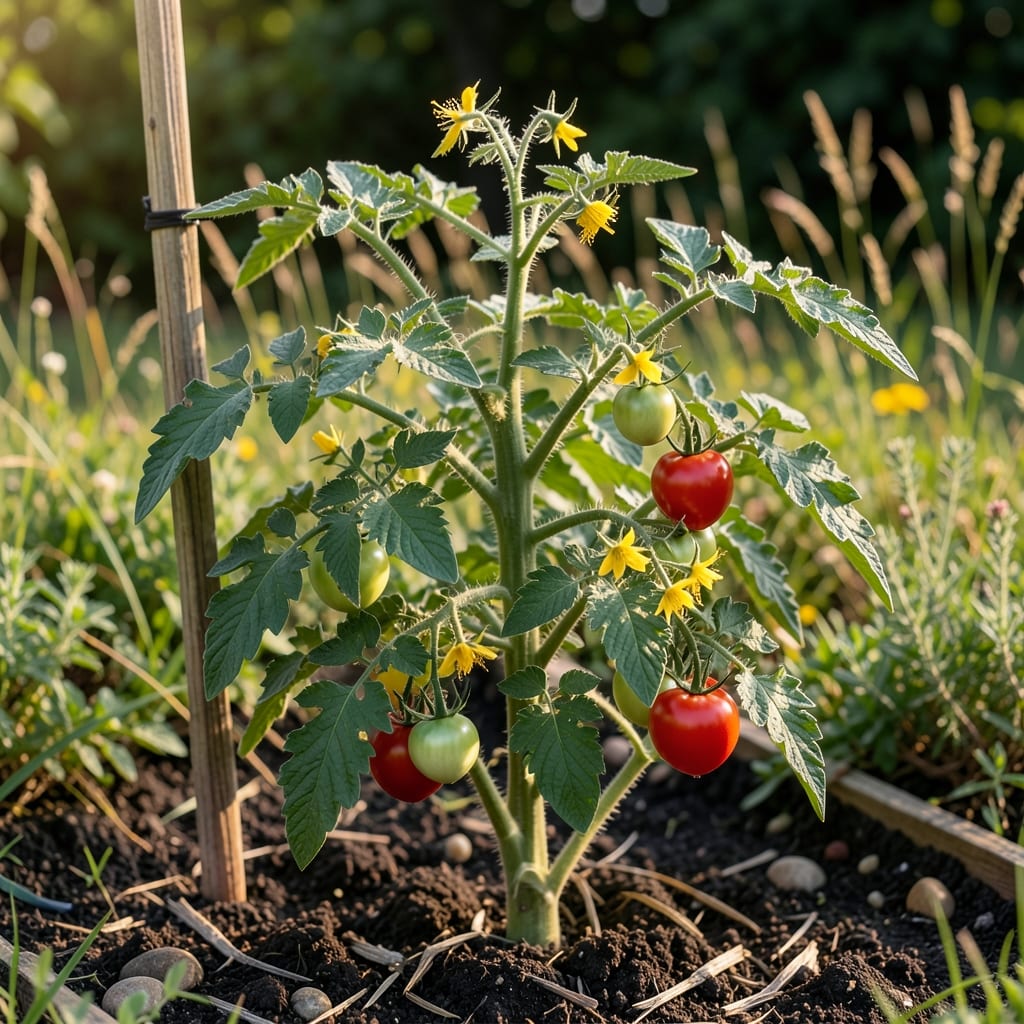
Optimal sunlight hours for tomato plants by growth stage (with critical adjustments)
Tomato plants thrive under 6 to 8+ hours of direct sunlight daily, but their needs shift dramatically as they transition from seedlings to fruiting. In my Zone 7b garden, I’ve learned that seedlings only need 4–6 hours of gentle morning sun to avoid legginess, while flowering and fruiting plants demand full sun exposure to prevent poor fruit set. The key is balancing photosynthesis with leaf protection—too much sun can scorch delicate foliage, while too little leads to weak stems and blight-prone plants.
Understanding these stages helps you adjust shade cloth or planting locations as your tomatoes mature. For example, I use 30% shade cloth on young seedlings in hot afternoons (1–3 PM) to prevent heat stress, then remove it once they’re hardened off. This approach mirrors how professional growers manage light exposure without sacrificing yield. The science behind it? Tomatoes need high-intensity light for photosynthesis, but their leaves can only handle so much UV radiation before developing sunburn (white or brown patches).
Here’s the breakdown of sunlight needs by growth phase, including adjustments for container gardens and northern climates where sunlight is less intense:
| Stage | Sunlight Needs | Adjustments | Key Risks |
|---|---|---|---|
| Seedlings (0–2 weeks) | 4–6 hours | Morning sun only; avoid afternoon heat | Leggy growth, weak stems |
| Hardening Off (2–4 weeks) | 6+ hours | Gradually increase exposure; use shade cloth for hot climates | Sunburn on leaves |
| Flowering (4–8 weeks) | 8+ hours | Full sun; prune lower leaves for airflow | Poor fruit set, blossom end rot |
| Fruiting (8+ weeks) | 6–8 hours (direct) | Afternoon shade in hot zones; mulch to retain moisture | Leaf scorch, cracked fruit |
🌱 Pro Tip: Use a light meter or observe your plants—if they’re stretching toward light, they need more sun!
Container-grown tomatoes often need more frequent adjustments because pots heat up faster. I’ve found that black pots absorb heat and can scorch roots, so I switch to light-colored containers or add reflective mulch (like white gravel) around the base. In northern climates (Zones 3–5), extend the growing season with reflective surfaces (mirrors or aluminum foil) to bounce light onto plants. Even in full sun, afternoon shade (3–6 PM) can prevent leaf burn during summer heatwaves.
One common mistake I see is assuming more sun always equals better tomatoes. While tomatoes love light, intense afternoon sun (especially in desert climates) can cause leaf scorch and reduce photosynthesis efficiency. To mitigate this, I use drip irrigation to keep leaves cool and prune suckers to improve airflow. This balance is crucial—my ‘Sungold’ cherry tomatoes produce 3x more fruit when given 6–7 hours of morning sun and protected from peak afternoon rays.
For indoor growers, grow lights are a game-changer. A full-spectrum LED (12–16 hours daily) mimics sunlight, but you’ll need to rotate plants every few days to prevent legginess. I’ve had success with T5 fluorescent lights placed 6–12 inches above seedlings, adjusting height as plants grow. The goal is to replicate natural light intensity—too weak, and your tomatoes will stretch; too strong, and you risk burning leaves. Always start with 12 hours of light and adjust based on leaf color and growth rate.
Climate plays a huge role in sunlight needs. In humid southern regions, tomatoes may need afternoon shade to prevent fungal diseases, while arid western gardens benefit from drip irrigation + shade cloth during heatwaves. I once grew tomatoes in Phoenix and learned that 50% shade cloth during June–August increased yields by 40% while preventing leaf drop. The lesson? Monitor your plants daily—adjust shade or light as needed, and don’t hesitate to move containers to sunnier spots if growth slows.
Finally, soil temperature affects how well tomatoes use sunlight. Roots need 60–70°F soil to absorb nutrients efficiently. If your garden soil is cooler (common in early spring), black plastic mulch can warm the roots and help tomatoes utilize sunlight better. Pair this with balanced fertilizer (10-10-10) to ensure they’re not nutrient-stressed, and you’ll see stronger stems, more flowers, and heavier fruit.
🌿 Remember: Tomatoes are sun-hungry but delicate—find that sweet spot between full sun and leaf protection, and you’ll harvest bushels of juicy fruit all season!
How to tell if your tomato plant has too much or too little sun (symptoms & fixes)
Tomato plants send clear signals when their sunlight balance is off. Too much sun causes leaf burn, while insufficient light leads to leggy growth and poor fruit set. Learning these symptoms helps you adjust care before problems escalate.
Watch for white or yellow patches on leaves exposed to harsh afternoon sun—this is classic sunburn. Even 6-8 hours of full sun can become excessive if temperatures exceed 90°F. Plants may also develop crispy leaf edges or brown spots.
Underlighted tomatoes stretch toward light, creating tall, weak stems with small leaves. Flowers may drop before setting fruit, or tomatoes might stay green and underdeveloped. These signs often appear in northern climates or shaded garden corners.
⚠️ WARNING: Common Light Mistakes
- Mistake: Assuming morning sun alone is enough—afternoon light is critical for photosynthesis.
- Mistake: Ignoring reflective surfaces (like white walls) that can intensify sunlight and cause burn.
- Mistake: Overcrowding plants, which blocks light and creates shady spots between stems.
🌱 Fix: Prune lower leaves to improve airflow and reduce shade on fruit.
For sunburned leaves, provide afternoon shade using shade cloth (30-50%) or a lightweight row cover. Avoid plastic, which traps heat. Prune damaged foliage to redirect energy to healthy growth and fruit production.
If your plant is underlighted, move it to a sunnier spot or supplement with a grow light (12-16 hours/day). Choose LED grow lights for efficiency—avoid incandescent bulbs, which generate too much heat. Rotate pots weekly to ensure even light exposure.
Remember: Tomatoes need balance. Aim for 6-8 hours of direct sun daily, adjusting for your climate zone. In hot climates, prioritize morning sun and afternoon shade to prevent stress. 🌿