
Light Requirements
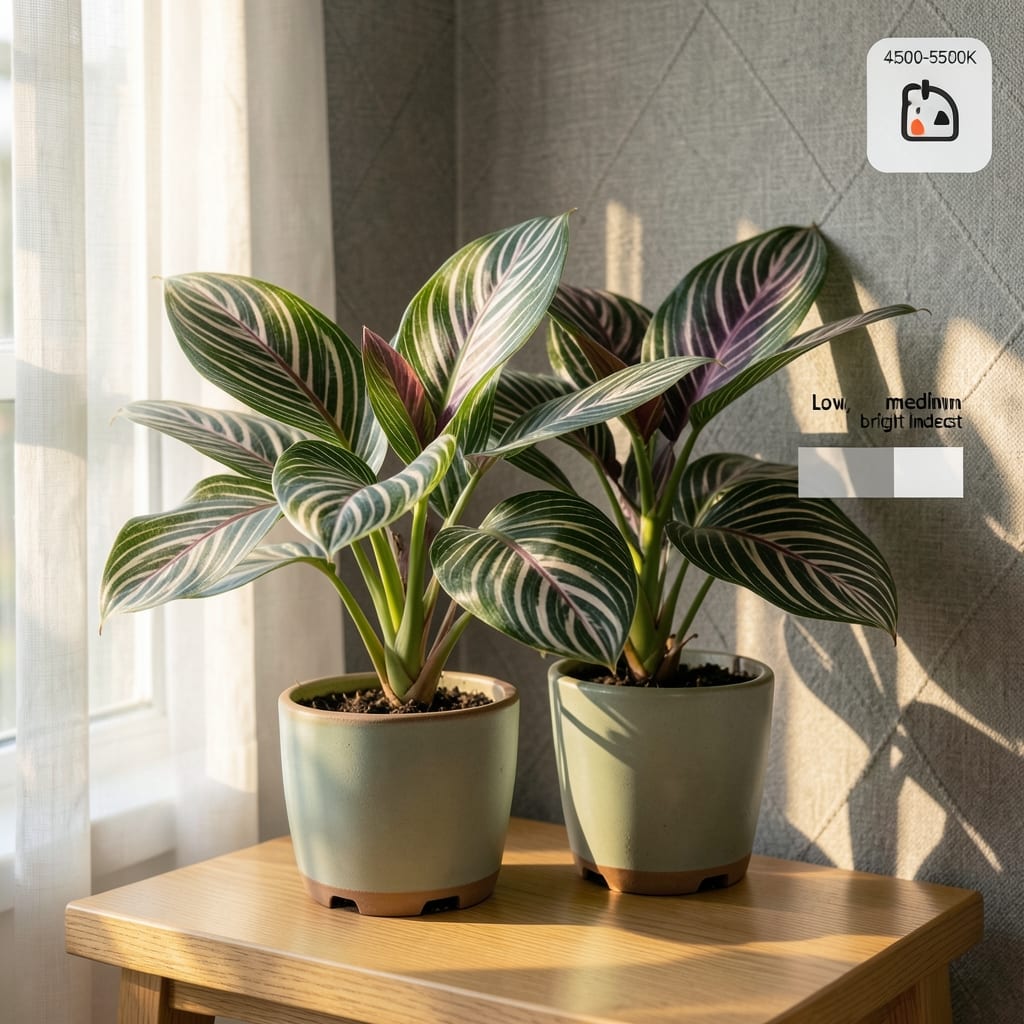
Zebra plant light requirements: the ideal brightness spectrum explained
The zebra plant (Aphelandra squarrosa) thrives on bright indirect light, making it perfect for homes with filtered sunlight. Its striking variegated foliage depends on this balance—too little light dulls its colors, while too much causes leaf burn. Think of it as the Goldilocks of houseplants: not too dim, not too harsh.
This tropical beauty naturally grows under dappled forest light, which mimics its native habitat in South American rainforests. In your home, this translates to 4-6 hours of bright, diffused light daily. The key is avoiding direct sun, which can scorch its delicate leaves faster than you can say "zebra stripes."
Your zebra plant’s foliage patterns actually change based on light exposure. In low light conditions, the white and green stripes fade, making the leaves appear uniformly green. Conversely, excessive light causes the white portions to bleach out, robbing it of its signature look. The sweet spot keeps those bold patterns popping!
| Light Condition | Ideal Hours/Day | Foliage Response | Window Placement |
|---|---|---|---|
| Bright Indirect | 4-6 hours | Vibrant stripes maintained | East or north window, 2-3 ft away |
| Low Light | <2 hours | Fading stripes, all-green leaves | North-facing room, no direct sun |
| Direct Sun | >6 hours | Bleached white areas, brown spots | South/west windows without filter |
To test your home’s light conditions, perform this simple shadow test: Place a white sheet near potential spots and observe shadows at different times. If shadows are sharp and dark, it’s direct sun—move your zebra plant further back. For soft, diffuse shadows, you’ve found its sweet spot. Pro tip: Rotate the pot quarter-turn weekly to ensure even growth.
Artificial lighting works too! A grow light 12-18 inches above your plant for 12-14 hours daily mimics natural light perfectly. LED grow bulbs with a 5000-6500K color temperature are ideal—they’re energy-efficient and won’t overheat your plant’s leaves. I’ve used these in my office during winter months with great results.
Seasonal adjustments are crucial. During summer’s intense sunlight, your zebra plant may need to move further from windows or behind sheer curtains. Conversely, winter’s weak light might require supplementing with a grow light to prevent leggy growth. Think of it as giving your plant a light jacket in winter and sunblock in summer!
For beginners, start with an east-facing window—it provides gentle morning light without the harsh afternoon sun. If that’s not an option, a north-facing window works too, though you might need to supplement with artificial light during shorter winter days. The goal is to keep those zebra stripes crisp and vibrant year-round.
Remember, every home’s light varies. If your zebra plant’s leaves start looking dull or stretched, it’s begging for more light. But if you spot brown patches or crispy edges, it’s getting too much. The solution? Observe and adjust—your plant will thank you with lush, colorful foliage that’s the envy of every plant lover!
🌿
Signs your zebra plant isn't getting enough (or too much) light
Your zebra plant (Aphelandra squarrosa) communicates its light needs through subtle (and not-so-subtle) visual cues. Ignoring these signals can cause its striking foliage to lose its signature zebra-striped pattern. The key is learning to read between the leaves—literally! When light is insufficient, the plant stretches toward any available light source, a condition called etiolation.
Watch for long, leggy stems with sparse leaves—this is your zebra plant’s way of saying, "I need more light!" The leaves may also appear smaller than usual, and the vibrant purple-black stripes fade into dull green. Even worse, the plant might start dropping its lower leaves entirely, leaving bare stems that look more like a bamboo stalk than a lush houseplant.
On the flip side, too much direct sunlight can scorch your zebra plant’s leaves, causing brown, crispy patches along the edges. The stripes may bleach out, losing their contrast, and the foliage might feel rough or papery to the touch. In extreme cases, the leaves can develop yellow or white patches, signaling sunburn. Both scenarios—too little and too much light—can stress your plant, making it more susceptible to pests and diseases.
🌱 Quick Fixes for Light Stress
- Move to bright indirect light (e.g., east-facing window)
- Rotate pot weekly for even growth
- Use a grow light 12 hours/day if natural light is limited
- Relocate to filtered light (e.g., sheer curtain)
- Avoid south-facing windows during peak sun (10 AM–4 PM)
- Trim damaged leaves with sterilized scissors to encourage new growth
Don’t panic if you spot these signs—your zebra plant is resilient! The good news is that adjusting its light exposure can often reverse these issues within 4–6 weeks. Start by observing your plant’s current location: Is it near a west-facing window where afternoon sun streams in? Or tucked in a dim corner that barely gets any light? Understanding your home’s light dynamics is half the battle.
Pro tip: Test your plant’s light tolerance by moving it a few feet closer to a window over a week. Monitor its reaction—if the leaves perk up and the stripes regain their contrast, you’ve found the sweet spot. If not, inch it back another foot. This gradual approach helps you fine-tune the perfect balance without shocking your plant.
Remember, zebra plants thrive in bright indirect light, but they’re adaptable. With a little trial and error, you’ll master the art of keeping their foliage bold and beautiful. 🌿