
Companion Plants
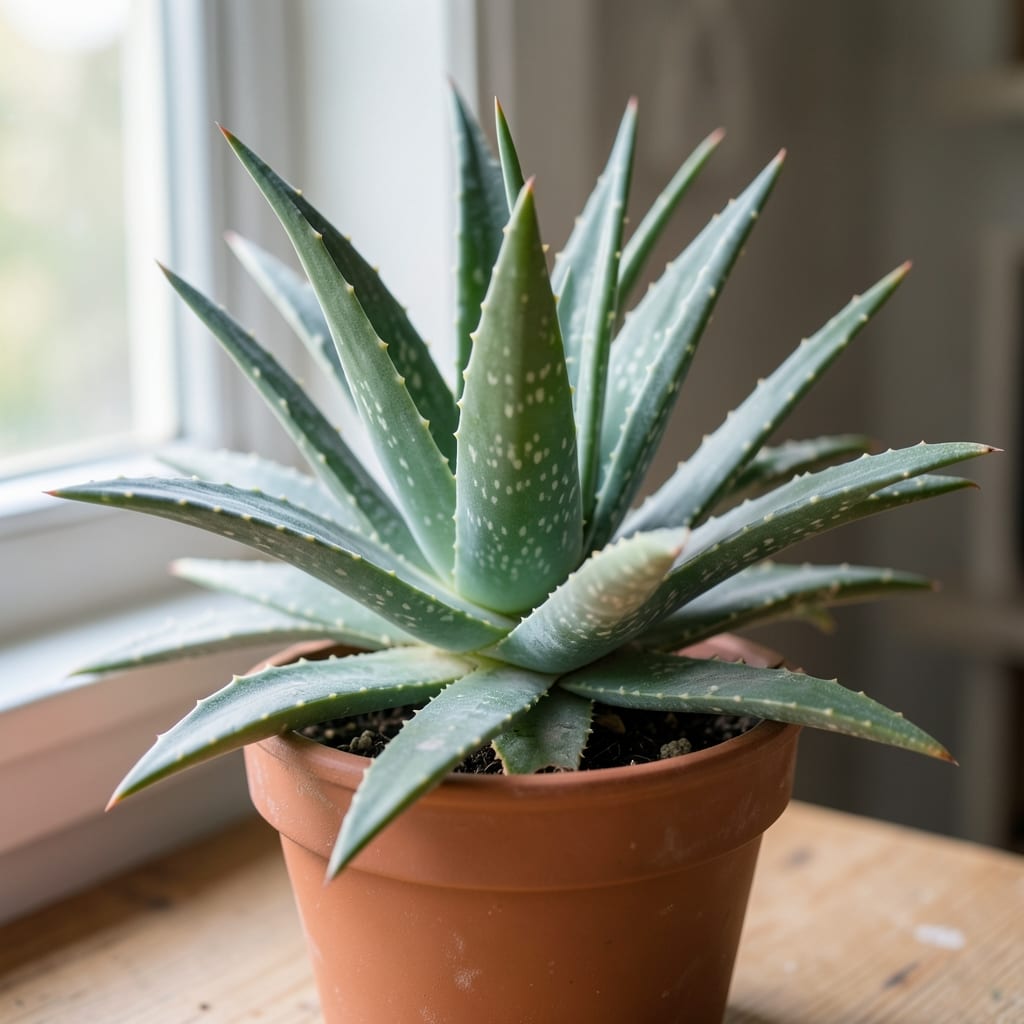
If you’re wondering how much light does an aloe plant need, you’re not alone—because the right balance of sunlight is the key to keeping your aloe thriving, not just surviving. Your plant might look like a sad, stretched-out stick instead of a vibrant succulent, and that’s usually a sign you’re getting the light wrong. The truth is, aloe plants crave bright, indirect light for most of the day, but they can handle direct sun too—if you know the limits. Too little light, and your plant will stretch toward the nearest window like a sleepy cat reaching for sunlight. Too much, and those pretty leaves turn crispy or develop unsightly brown patches. The good news? With a few simple adjustments, you can give your aloe exactly what it needs to stay lush and healthy year-round.
Whether you’re growing your aloe indoors by a south-facing window or outdoors in your 6a zone garden, I’ll break down the exact light conditions your plant thrives in—and how to spot the signs when it’s begging for more (or less) sunshine. Let’s fix that leggy look once and for all.
Ready to transform your aloe from a struggling survivor to a showstopper? You’ll learn how to create the perfect light setup, whether you’re dealing with a dim apartment or a scorching summer patio. Your plant’s happy future starts here.


Ideal light requirements for aloe vera: sunlight needs explained
Aloe plants are sun worshippers, but they need the right kind of sunlight—not too harsh, not too dim. The ideal light requirements for aloe vera include 6 to 8 hours of bright, indirect sunlight daily, with some tolerance for direct sun in moderation. Think of it like a beach vacation: your aloe loves sunshine but needs a little shade to avoid getting sunburned. In nature, aloe thrives in arid, sunny climates like South Africa, where it basks under the African sun but avoids the midday intensity.
Indoors, the best window placement for aloe is near a south-facing window, where it gets the most consistent light. If you’re growing outdoors in USDA Zone 6a or warmer, aloe can handle full sun exposure—just protect it from intense afternoon heat, which can scorch those delicate leaves. The key is balance: too little light, and your plant stretches like a sleepy cat; too much, and it crisps up like a forgotten cookie.
Now, let’s talk seasonal adjustments. In summer months, your aloe might need a little shade during the peak sun hours (11 AM–3 PM) to prevent sunburn. In winter, when daylight is shorter, supplement with a grow light if natural light drops below 4 hours daily. Even aloe plants can get light deprivation when days grow short, leading to that dreaded "leggy" look.
Here’s the golden rule: 6+ hours of bright light is non-negotiable for aloe vera. Without it, your plant will start stretching toward light sources, producing long, weak stems with sparse leaves—a classic sign of etiolation. This isn’t just unsightly; it weakens the plant’s structure and makes it more prone to pests and disease. The good news? Fixing it is easier than you think.
🌱 Aloe Vera Light Requirements Summary
| Light Type | Daily Duration | Indoor Placement | Outdoor Conditions |
|---|---|---|---|
| Bright Indirect | 6–8 hours | South/west window | Partial shade |
| Direct Sun | 4–6 hours (max) | East window (morning sun) | Full sun with afternoon shade |
| Low Light | <4 hours | North window | Avoid (etiolation risk) |
| Grow Lights | 12–14 hours (winter) | 6–12 inches away | N/A |
✅ Pro Tip: Rotate your aloe plant quarter-turn weekly for even growth.
If you’re growing aloe in a container, choose one with a light-colored or translucent material—dark pots absorb heat and can cook the roots, even if the leaves look fine. Terracotta is a great choice because it breathes and prevents overheating. For outdoor aloe, place it on a porous surface like gravel or a raised bed to improve airflow and prevent root rot from trapped moisture.
One common mistake is assuming more sunlight is always better. While aloe loves light, intense midday sun in hot climates (like Arizona or Texas) can cause leaf scorch, turning the tips brown and crispy. To test if your aloe is getting the right light, check the color of the leaves: vibrant green means perfect light; pale green or red-tinged edges mean too much sun; and dark green with long stems means not enough light.
For indoor growers, a south-facing window is ideal, but if that’s not an option, a west-facing window works too—just move the plant back a few feet in summer to avoid overheating. If your home lacks natural light, a LED grow light (like a full-spectrum bulb) can bridge the gap, especially in winter months when days are shorter. Aim for 12–14 hours of light daily to mimic summer conditions.
Remember, aloe plants are drought-tolerant, but they’re not heat-tolerant in the same way. If your home gets hotter than 85°F (29°C), your aloe might need a cooling break—like a shaded patio or a fan nearby to keep it comfortable. Think of it like giving your plant a cool drink of water on a scorching day.
Finally, let’s talk seasonal transitions. When you move your aloe indoors for winter, do it gradually over a week to avoid light shock. Sudden changes can cause the leaves to yellow or drop, which is a sure sign your plant is struggling to adapt. The same goes for outdoor aloe in spring: acclimate it slowly
Signs your aloe plant isn’t getting enough (or too much) light
Aloe plants are tough, but even they’ll send you clear distress signals when their light needs aren’t met. The most common red flags? Stretched, leggy growth or yellowing leaves. If your aloe looks like it’s reaching for the sky, it’s begging for more bright light. These elongated stems are a classic sign of etiolation, where the plant stretches toward any available light source—often a window—because it’s not getting enough. On the flip side, if your aloe’s leaves develop brown tips or crispy edges, it’s likely sunburned from too much direct light, especially during peak afternoon sun.
Another telltale sign is pale or washed-out leaves. Healthy aloe leaves should be a vibrant green, but if they turn dull or almost white, your plant isn’t getting enough sunlight intensity. This often happens in north-facing windows or shaded indoor spots. Even worse, if the leaves start developing red or purple hues, it’s a sign of stress from excessive light, particularly in hot climates where UV rays are intense. Pay close attention to these visual cues—they’re your plant’s way of communicating!
🌱