
Light Requirements
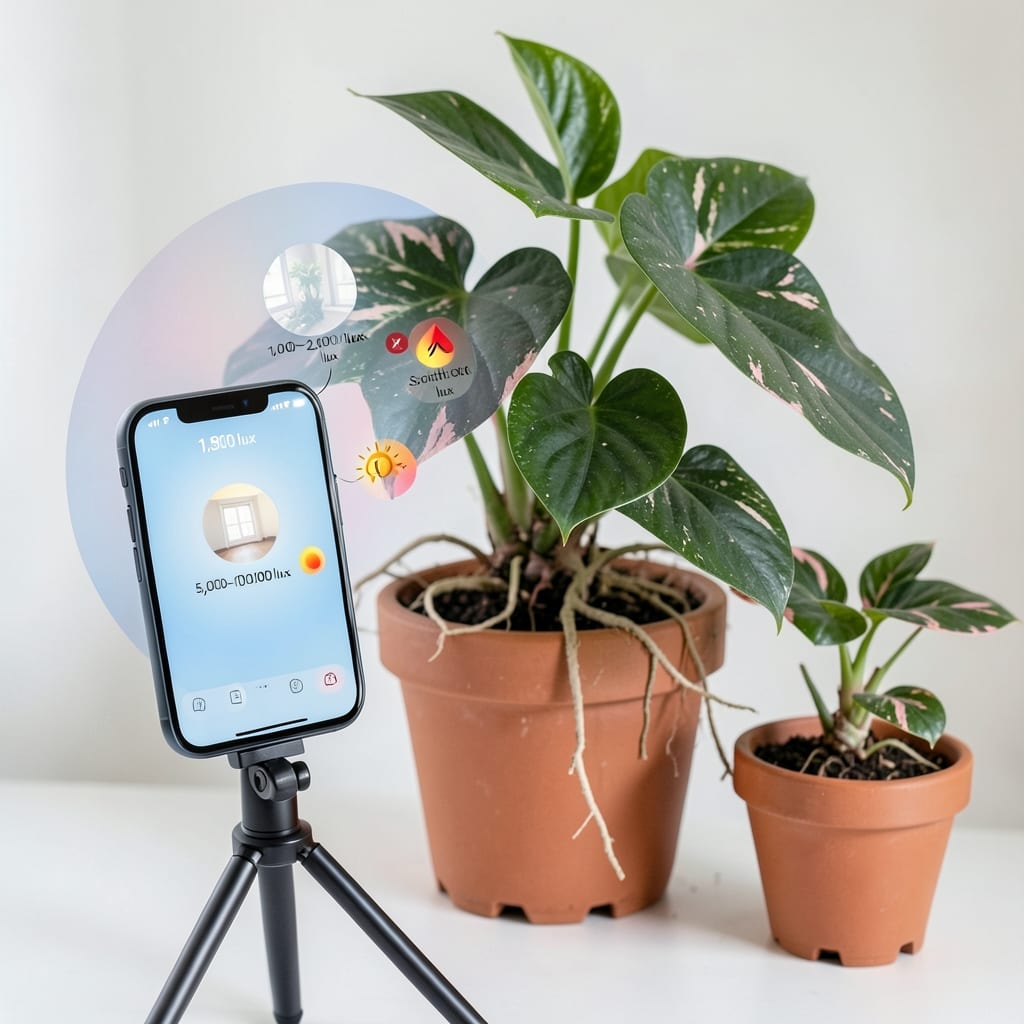
Optimal light requirements for arrowhead plants: the 4-6 hour rule explained
Arrowhead plants (Syngonium podophyllum) thrive in bright indirect light, but understanding the nuances makes all the difference between lush foliage and struggling stems. These tropical plants need 4-6 hours of filtered sunlight daily—think dappled sunlight through sheer curtains or a spot near an east-facing window where morning rays gently warm the leaves without scorching them.
Many gardeners mistakenly assume "bright indirect light" means dim corners, but arrowhead plants actually crave moderate light intensity. Direct midday sun (especially south or west-facing windows) can cause leaf burn, while too little light leads to leggy growth and pale leaves. The key is replicating their native understory habitat where sunlight filters through tree canopies.
The ideal light spectrum for arrowhead plants includes blue and red wavelengths (400-700nm), which promote photosynthesis without overheating. Artificial grow lights can supplement natural light, but they must provide full-spectrum coverage to prevent color fading in the leaves. LED grow lights with a 5000-6500K color temperature work best for mimicking natural daylight.
Here’s how to translate light science into real-world placement: East-facing windows offer perfect morning sun without harsh afternoon heat, while north-facing windows provide consistent, gentle light year-round. South or west windows require sheer curtains or a sheer fabric barrier to diffuse intensity, especially during summer months when UV levels peak.
A common misconception is that arrowhead plants can survive in low-light bathrooms or dim offices, but this often leads to stunted growth and weak stems. While they tolerate lower light better than sun-loving plants, their vibrant foliage fades without adequate brightness. Think of it like Goldilocks—too little light and they’re sad, too much and they get sunburned.
| Light Condition | Ideal For | Arrowhead Plant Response | Best Window Placement |
|---|---|---|---|
| Direct Sunlight (6+ hours) | Succulents, cacti | Leaf burn, crispy edges | Never ideal—use sheer curtains |
| Bright Indirect Light (4-6 hours) | Arrowhead plants, ferns, calatheas | Vibrant growth, compact leaves | East or north-facing windows |
| Medium Light (2-4 hours) | Snake plants, ZZ plants | Slow growth, pale leaves | Indirect light near a window |
| Low Light (<2 hours) | Peace lilies, pothos | Leggy stems, yellowing | Avoid—use grow lights |
Seasonal adjustments are crucial because winter sunlight is weaker and summer days are longer. In winter, supplement natural light with a 12-hour photoperiod using a simple LED bulb to maintain your arrowhead’s energy levels. Conversely, in summer, rotate your plant weekly to ensure even light exposure and prevent one side from becoming too leggy or stretched toward the light source.
Pro tip: If your arrowhead plant starts developing long, thin stems with large gaps between leaves, it’s a classic sign of light hunger. Move it closer to a brighter window or invest in a clip-on grow light for targeted illumination. The goal is to encourage compact, bushy growth—a hallmark of a happy arrowhead plant.
For apartment dwellers with limited window options, south-facing windows with sheer curtains can work, but monitor for leaf scorch during peak sun hours (10 AM–2 PM). If you notice brown patches or bleached areas, immediately move the plant back a few feet or add a light-diffusing screen to protect its delicate foliage.
Remember, arrowhead plants are forgiving but not indestructible—they’ll survive in less-than-ideal light, but they’ll never truly thrive. By providing consistent, bright indirect light, you’ll reward yourself with bold, arrow-shaped leaves and a plant that feels like a tropical vacation in your living room.
Optimal light requirements for arrowhead plants: the 4-6 hour rule explained
Arrowhead plants (Syngonium podophyllum) thrive best with 4-6 hours of bright, indirect sunlight daily. This tropical beauty mimics its natural understory habitat, where dappled light filters through taller trees. Too little light causes leggy growth and pale leaves, while too much direct sun leads to brown crispy edges. Understanding this balance is key to keeping your plant vibrant and healthy.
Most homeowners mistakenly assume "bright indirect light" means placing their arrowhead near a south-facing window. However, east or north-facing windows provide the perfect filtered light spectrum. If your space lacks natural options, artificial grow lights can supplement the 6,000-7,000 Kelvin light spectrum these plants crave during their active growing months.
| Light Condition | Best Window | Daily Hours | Plant Response |
|---|---|---|---|
| Bright Indirect Light | East or North | 4-6 hours | Vibrant growth, healthy foliage |
| Low Light | West (filtered) or artificial | 2-3 hours | Leggy stems, pale leaves |
| Direct Sunlight | South (afternoon) | >2 hours | Brown crispy edges, sunburn |
| Artificial Grow Lights | N/A | 6-8 hours | Balanced growth, compact leaves |
For indoor growing, position your arrowhead plant 2-3 feet from an east-facing window during spring and summer. This distance prevents leaf scorch while providing enough light for photosynthesis. In winter, when daylight is shorter, supplement with a 12-hour photoperiod using a simple LED grow bulb to maintain growth momentum.
Outdoor enthusiasts can place arrowhead plants in partial shade gardens during summer months, ensuring they receive morning sun and afternoon shade. Avoid placing them under full sun conditions, as the intense rays can cause irreversible damage to delicate foliage. A simple trick is to observe your plant's leaves - if they develop yellow patches or crispy edges, it's a clear sign of too much direct sunlight.
If you notice your arrowhead plant stretching toward the light source, it's a sign of light deprivation. Rotate the pot quarter-turns weekly to encourage even growth and prevent lopsided development. This simple habit ensures your plant receives balanced light exposure from all directions, promoting bushier and healthier foliage patterns.
Remember, arrowhead plants are adaptable but prefer consistency. Sudden changes in light exposure can cause stress, leading to dropped leaves or stunted growth. Gradually acclimate your plant to new light conditions over 1-2 weeks to minimize shock and keep your arrowhead thriving year-round.