
Plants
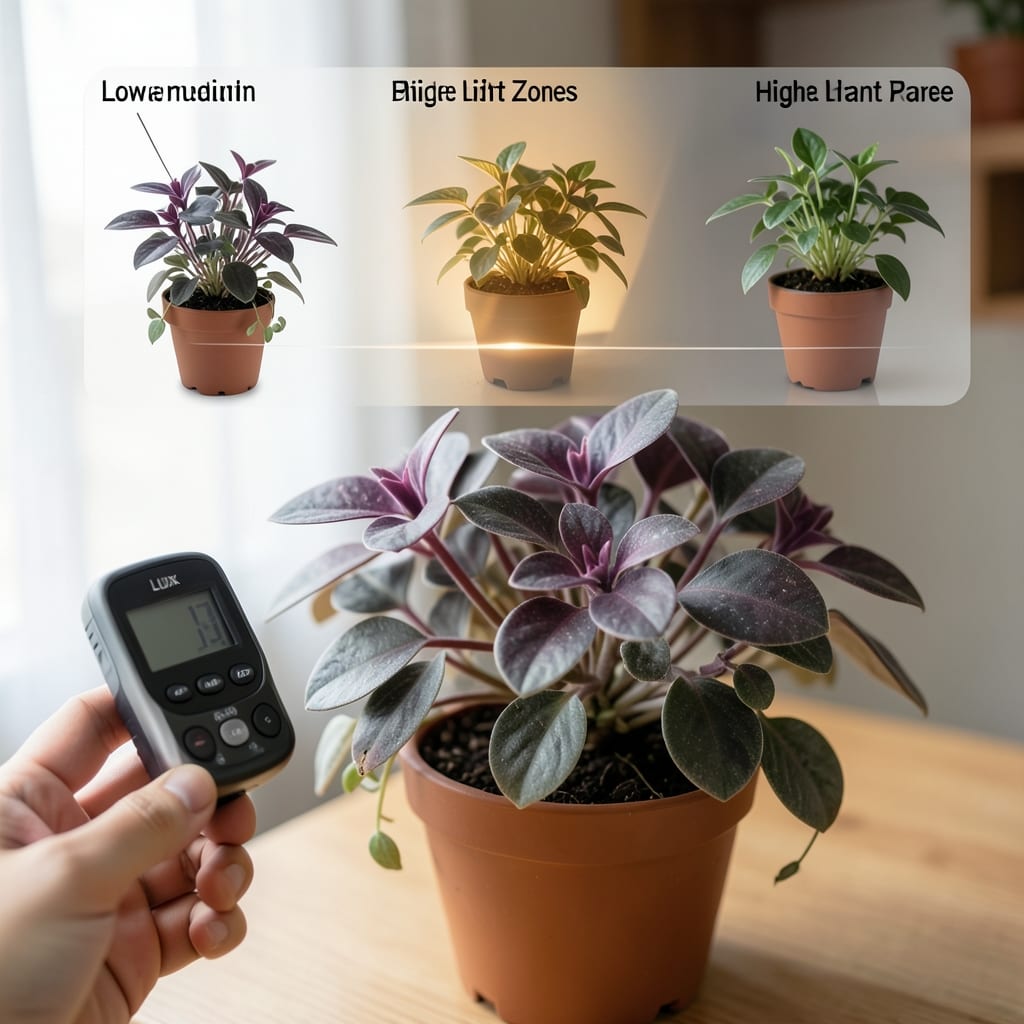
If you're wondering how much light an inch plant (Tradescantia) needs, the answer might surprise you—it’s not as much as you’d think! This hardy houseplant thrives with just 3-4 hours of bright, indirect light daily, making it perfect for busy homes or offices where sunlight is limited.
Too little light, and your 🌿 inch plant will stretch out leggy stems, losing its signature purple hues. Too much direct sun, and those gorgeous leaves can scorch. The key? Finding that sweet spot where your plant stays vibrant without stress—whether you’re growing it near a window or under artificial lights.
In this guide, I’ll break down exactly how to meet your inch plant’s light needs, from ideal window placement to troubleshooting common issues. Whether you’re dealing with a low-light corner or a sun-drenched spot, you’ll learn how to keep your plant happy year-round.
Ready to give your inch plant the perfect glow? Let’s dive into the simple secrets that’ll transform your plant from struggling to stunning in no time.

Ideal light requirements for inch plant growth and color vibrancy
The inch plant (Tradescantia sillamontana) thrives in bright indirect light, making it one of the most adaptable houseplants for homes with limited sunlight. Unlike sun-loving succulents, this beauty prefers 3-4 hours of filtered light daily, which keeps its leaves vibrant and compact. Too little light causes leggy growth, while too much direct sun can bleach or crisp the edges of those stunning purple leaves.
For best results, place your inch plant 2-3 feet from an east- or north-facing window, where morning sun gently brightens the space without harsh afternoon rays. South-facing windows can work too, but use a sheer curtain to diffuse the intensity, especially during peak summer hours when UV levels spike.
Indoors, aim for 40% light intensity—think of it as the brightness of a well-lit office or a cloudy day outside. If your home has dim corners, supplement with a simple grow light (more on this later) to mimic natural conditions. Outdoors in spring or summer, partial shade under a tree canopy works wonders, protecting those delicate leaves from scorching.
Seasonal adjustments are key: In winter, when daylight shrinks, your inch plant may need extra light to maintain color. Rotate the pot weekly so all sides get even exposure, preventing lopsided growth. Even a simple windowsill rotation can make a world of difference in keeping your plant balanced and bushy.
| Light Condition | Ideal Hours/Day | Leaf Color Impact | Growth Effect |
|---|---|---|---|
| Low Light (<2 hrs) | 2-3 hours | Pale green, loses purple | Leggy, sparse stems |
| Bright Indirect (3-4 hrs) | 3-4 hours | Vibrant purple-green | Compact, bushy growth |
| Direct Sun (>4 hrs) | 4+ hours | Bleached, crispy edges | Stunted, sunburned |
Did you know your inch plant’s leaf color is a direct indicator of its light health? The deeper the purple, the happier it is. If those hues fade to plain green, it’s a cry for more brightness. Conversely, if you spot yellow or brown patches, your plant is getting too much direct sun—move it back immediately to prevent permanent damage.
For outdoor enthusiasts, inch plants make stunning container plants on patios or balconies, but always choose a spot with dappled shade. A morning sun session followed by afternoon shade mimics their natural habitat in tropical underbrush. Pro tip: If you’re growing yours outside in summer, bring it indoors before temperatures drop below 50°F (10°C) to protect it from cold sensitivity.
Even in low-light conditions, your inch plant won’t die—it’ll just grow slower and less vibrant. The good news? It’s forgiving and recovers quickly when light conditions improve. Think of it as a low-maintenance plant that rewards patience with lush, trailing foliage. With the right light balance, you’ll enjoy those purple-tinged leaves year-round, even in a dimly lit room.
Next, we’ll tackle the telltale signs that your inch plant isn’t getting enough light—and how to fix it fast. Trust me, these simple adjustments can turn a struggling plant into a showstopper in just a few weeks.
Signs your inch plant isn’t getting enough light (and how to fix it)
If your inch plant is stretching toward the light like a sleepy cat reaching for sunlight, it’s time to act. Leggy growth is the first red flag—those elongated stems with sparse leaves mean your plant is desperate for more brightness. The good news? This is an easy fix, and your inch plant will bounce back faster than you think with just a few adjustments.
Another telltale sign is fading leaf color. Those stunning purple hues? They’re a direct result of proper light exposure. When your inch plant loses its vibrancy and turns dull green, it’s a clear cry for more bright indirect light. Even the stems may weaken, making them more prone to breaking under their own weight—a sure sign of light deprivation.
🚨 DON’T IGNORE THESE WARNING SIGNS 🚨
If you spot yellow or brown patches on your inch plant’s leaves, it’s getting too much direct sun. Move it to a shadier spot immediately—those crispy edges won’t heal on their own. For underlighting, the fix is just as urgent but involves adding light rather than reducing it.
Here’s how to diagnose and fix common light issues quickly. Start by rotating your plant weekly so all sides get even exposure. If one side is leaning toward a window, it’s stretching toward light. For indoor plants, east-facing windows are ideal—they provide gentle morning light without the harsh afternoon sun that can scorch delicate leaves.
If you’re stuck with low-light conditions, a simple grow light can work wonders. Even a basic LED bulb (6000K color temperature) placed 12-18 inches above your plant for 6-8 hours daily will mimic natural light. For outdoor inch plants, dappled shade under a tree is perfect—just avoid full sun, which can bleach those gorgeous purple leaves.
Pro tip: Test your light setup by observing your plant’s response over 2-3 weeks. If the stems stop stretching and the leaves regain their color, you’ve nailed the balance. If not, adjust the light source or move the plant closer to a brighter spot. Remember, inch plants are forgiving, so even if you’ve neglected them, they’ll recover with the right care.
Ready to revive your leggy inch plant? Start with these quick fixes: move it to a brighter spot, rotate it weekly, and consider a grow light if natural light is scarce. Within weeks, you’ll see compact, vibrant growth that’ll make your plant the star of your space again.