
Plants
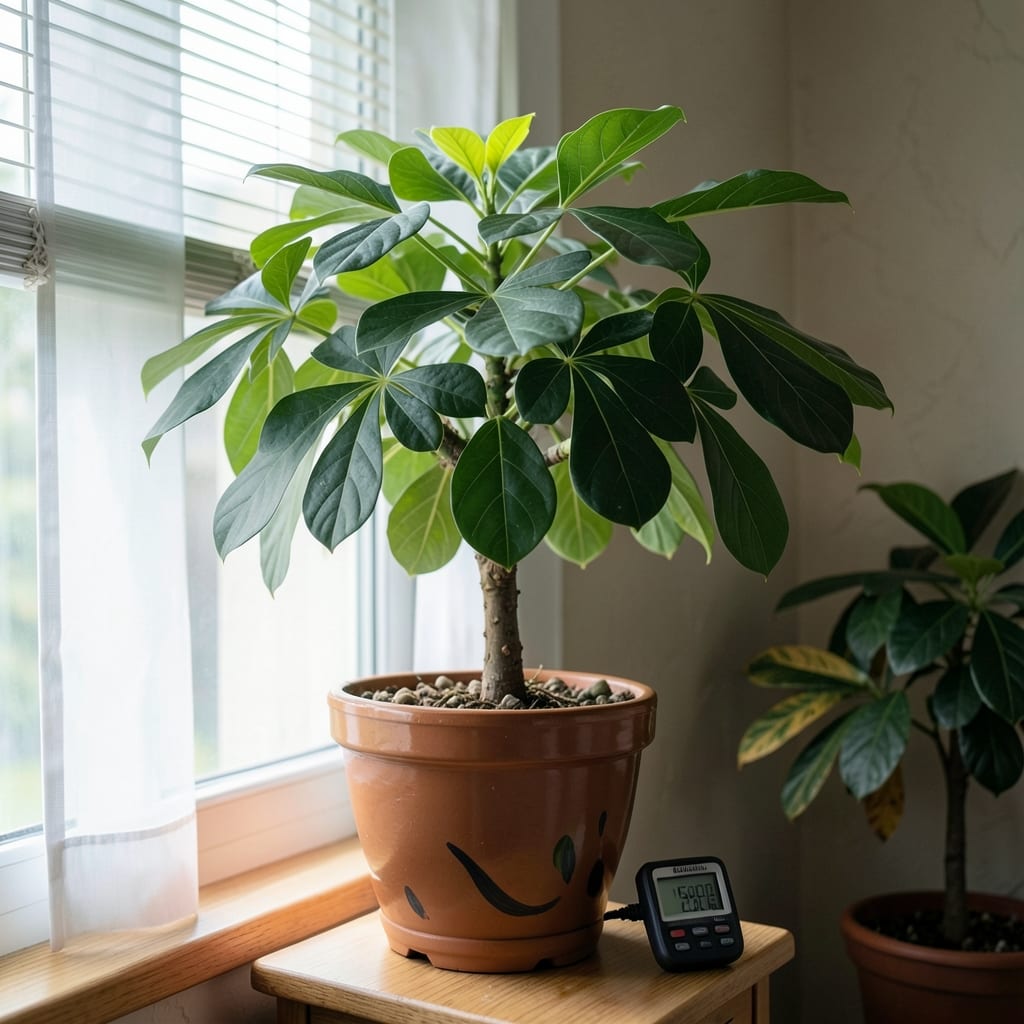
If you’re wondering how much light does an umbrella plant need to thrive, the answer is simple but crucial—it’s not about extremes. That leggy, sad shadow of a plant? It’s either starving for light or getting too much harsh sunshine. Finding the sweet spot—3 to 4 hours of bright indirect light daily—is the secret to keeping those glossy leaves thriving, not crisping.
I’ve watched countless Umbrella Plants struggle when placed in the wrong light, and the results are always the same: yellowing leaves, slow growth, or even sudden leaf drop. The good news? This houseplant is forgiving once you understand its light needs—whether you’re dealing with a dim corner or a blazing south-facing window.
Let’s break down exactly how much light your Umbrella Plant needs, how to spot the signs of light stress, and the best spots to place it—indoors or out—to keep it happy year-round. No more guesswork, just lush, healthy foliage.
From adjusting seasonal light exposure to troubleshooting common issues, you’ll learn how to give your plant the perfect balance. Ready to transform that struggling Umbrella Plant 🌿 into a showstopper?

Optimal light requirements for umbrella plant growth: 3-4 hours of bright indirect sun daily
The umbrella plant (Schefflera actinophylla) thrives on bright indirect light, making it perfect for indoor spaces near windows. Too much direct sun causes leaf scorch, while insufficient light leads to leggy growth and pale leaves. Aim for 3–4 hours of filtered sunlight daily—think morning sun or a north-facing window.
Indoors, position your plant 2–3 feet from an east or north-facing window to avoid harsh afternoon rays. Outdoors, partial shade under trees or on shaded patios works best. Avoid south or west-facing windows, where intense sunlight can damage delicate foliage.
Seasonal adjustments matter! In summer, reduce direct exposure by moving plants farther from windows or using sheer curtains. In winter, supplement with a grow light if natural light drops below 3 hours daily.
Here’s a quick breakdown of your umbrella plant’s light needs:
| Light Type | Daily Exposure | Seasonal Adjustments | Signs of Stress |
|---|---|---|---|
| Bright Indirect | 3–4 hours | Summer: Filter sunlight; Winter: Supplement with grow lights | Brown patches (too much sun), leggy stems (too little) |
| Direct Sun | Avoid | Use sheer curtains or move plants | Crispy brown edges, yellowing leaves |
| Low Light | <1 hour | Rotate plant weekly for even growth | Stretched stems, pale leaves, slow growth |
If your plant starts showing signs of light stress, act fast! Move it to a brighter spot gradually (over 1–2 weeks) to avoid shock. For indoor growers, a south-facing window with a sheer curtain can mimic ideal conditions year-round.
Outdoor enthusiasts should avoid placing umbrella plants in full sun, even in cooler climates. Instead, opt for dappled shade under large trees or on covered patios. This mimics the plant’s native habitat in tropical forests, where sunlight is gentle and diffuse.
Pro tip: Rotate your plant quarter-turns every 2 weeks to ensure all sides get even light exposure. This prevents lopsided growth and keeps those umbrella-like fronds symmetrical and vibrant.
Monitor your plant’s response to light adjustments. Healthy leaves should be deep green, glossy, and evenly spaced. If you notice yellowing between veins, it’s a sign of too much sun or overwatering. Trim affected leaves and adjust care accordingly.
For urban gardeners with limited natural light, LED grow lights (12–14 hours daily) are a game-changer. Position the light 6–12 inches above the plant and use a timer to maintain consistency. This mimics seasonal changes and keeps your umbrella plant thriving year-round.
Remember, every home’s light conditions are unique. Start with 3 hours of indirect light, observe your plant’s response, and tweak as needed. With the right balance, your Schefflera actinophylla will reward you with lush, healthy growth for years to come. 🌿
Optimal light requirements for umbrella plant growth: 3-4 hours of bright indirect sun daily
Your umbrella plant (Schefflera actinophylla) thrives on bright indirect light, making it perfect for spots with filtered sunlight. Think of it like a morning coffee—just enough to wake up without burning! The ideal scenario is 3–4 hours of morning sun followed by dappled shade the rest of the day. This mimics its natural habitat under tropical forest canopies, where direct rays are rare.
If you're unsure about your space, test it with the "hand test": Hold your hand near the plant. If you can read a book easily but still see shadows, it’s likely the right light. Too much direct sun? Your plant will scream for help with crispy brown edges. Too little? It’ll stretch toward the light like a sleepy cat reaching for sunlight.
| Condition | Ideal Specification | What to Avoid |
|---|---|---|
| Light Type | Bright indirect (east/north windows) | Direct midday sun (scorching) |
| Daily Hours | 3–4 hours filtered light | <1 hour (leggy growth) |
| Seasonal Adjustments | Move closer to windows in winter | No adjustments for summer |
| Grow Light Alternative | 12–14 hrs/day, 6–12 inches away | Too close (leaf burn) |
In summer months, your umbrella plant might need a shade break from its usual spot. If you notice yellowing leaves or white patches, it’s begging for relief. Move it 5–6 feet back from a south-facing window or use a sheer curtain to diffuse the intensity. Pro tip: Rotate your plant quarter-turns weekly to ensure even growth—those leggy stems are a dead giveaway for light deprivation.
For indoor growers, east-facing windows are your best friend. They offer gentle morning light without the harsh afternoon heat. If you’re stuck with only low-light conditions, supplement with a LED grow light (12–14 hours/day). Position it 6–12 inches above the plant and adjust as it grows. Remember: Less is more—start with 4 hours/day and monitor for pale leaves or slow growth.
Outdoors, your umbrella plant can handle partial shade in USDA Zones 10–12, but it’s not a full-sun lover. If you’re growing it in a container on a patio, choose a spot with morning sun and afternoon shade. Watch for leaf drop in winter—this is normal as the plant conserves energy, but if it happens year-round, your light conditions are likely the culprit.
When in doubt, observe your plant’s foliage color. Healthy leaves should be deep green and glossy. If they’re dull or yellowing, it’s time to reassess the light. With the right balance, your umbrella plant will reward you with lush, umbrella-shaped leaves that’ll be the star of your space! 🌿