
Light Requirements
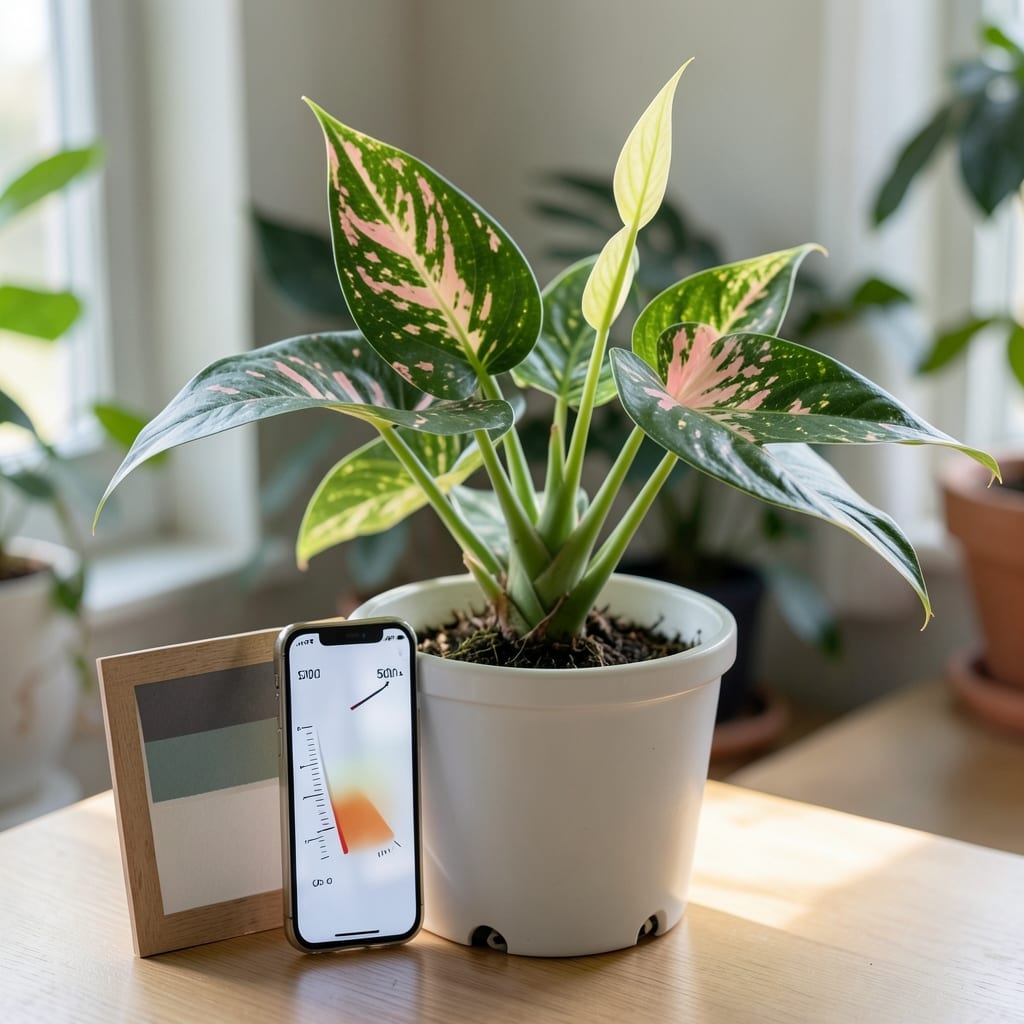
If your Arrowhead Plant 🌿 is struggling with pale leaves or stretched-out stems, you’re probably dealing with how much light does the arrowhead plant need—and the answer isn’t always obvious. This tropical beauty thrives in bright indirect light, but most people either overdo it with harsh sunlight or leave it in dim corners—both recipes for disaster.
Getting the light balance right isn’t just about placement; it’s about understanding how your plant’s environment changes with seasons and indoor lighting. Whether you’re dealing with a sunroom, office cubicle, or shaded corner, I’ll show you exactly how to create the perfect spot for your Arrowhead Plant 🌿 to flourish—no guesswork required.
We’ll cover everything from spotting light deficiencies (like yellowing leaves) to avoiding burns from too much sun, plus clever workarounds for homes with limited natural light. Trust me, once you master this, your plant will reward you with vibrant foliage and steady growth.
Ready to transform your Arrowhead Plant 🌿 from a struggling survivor to a showstopper? Let’s dive into the light secrets that’ll have it thriving in no time.

Ideal light requirements for arrowhead plant growth: bright indirect light explained
Your arrowhead plant (Syngonium podophyllum) thrives in bright indirect light, mimicking its native tropical understory habitat. Too little light causes leggy growth, while too much leads to scorched leaves. The key is finding that sweet spot where foliage stays vibrant and growth remains compact.
Think of it like a morning coffee break—just enough light to energize without burning. East-facing windows provide perfect gentle morning sun (4-6 hours), while north-facing windows offer consistent soft, diffused light all day. West-facing spots work but require afternoon shade protection.
Indoors, aim for placement 2-3 feet from windows. If your home lacks natural light, LED grow lights (12-14 hours/day) can supplement. Just keep them 12-18 inches above the plant to avoid leaf burn.
| Light Condition | Ideal Placement | Leaf Response |
|---|---|---|
| Bright Indirect Light | East/West window, 2-3 ft away | Deep green, glossy, compact growth |
| Low Light | North window or deep shade | Pale leaves, leggy stems, slow growth |
| Direct Sunlight | South window without filter | Brown patches, crispy edges, wilting |
Seasonal adjustments are crucial. In summer, move your plant further from windows or use sheer curtains to prevent leaf burn. During winter, supplement with grow lights if natural light drops below 4 hours/day.
Watch for leaf color changes—healthy arrowhead plants display rich, arrow-shaped leaves with vibrant patterns. If leaves turn yellow or brown, it’s your cue to adjust light exposure immediately. A simple quarter-turn rotation every 2 weeks ensures even growth.
For outdoor growing zones 9-11, arrowhead plants can thrive in partial shade gardens under dappled sunlight. Use 30-50% shade cloth if placing them in morning sun exposure to prevent leaf damage.
Pro tip: If your arrowhead plant starts stretching toward light, it’s begging for more brightness. Conversely, if leaves curl or crisp, it’s getting too much direct sun. Balance is everything!
Remember, arrowhead plants are adaptable—they’ll tolerate lower light conditions but won’t reach their full potential. For show-stopping foliage, prioritize that bright indirect light like a tropical rainforest canopy.
🌿
How to adjust light for arrowhead plants in different environments: windows, grow lights, and outdoor spots
Adjusting light for your arrowhead plant 🌿 depends entirely on your environment. In offices with fluorescent lighting, these plants often struggle because bulbs emit blue-heavy light that mimics daylight—too intense for their tropical needs. If your workspace only has fluorescent or LED office lights, place your plant 3-4 feet away and supplement with a 12-inch LED grow light for 6 hours daily.
For apartments with small windows, prioritize east-facing spots where morning sun is gentle. If your only option is a south-facing window, use a sheer white curtain to diffuse harsh afternoon rays. Pro tip: Rotate your plant quarter-turn weekly to prevent uneven growth toward the light source.
| Environment | Best Placement | Light Adjustments | Grow Light Needs |
|---|---|---|---|
| East Window | 2-3 ft from glass | None needed | Optional in winter |
| West Window | 3-4 ft from glass | Sheer curtain after 2 PM | None needed |
| North Window | 1-2 ft from glass | Add grow light 12 hrs/day | Full-spectrum LED |
| Office Fluorescents | 3-4 ft from bulbs | Rotate weekly | 12-inch grow light 6 hrs |
Outdoor growing in USDA zones 9-11? Place your arrowhead plant in partial shade gardens where it gets dappled sunlight (like under trees). Avoid full sun exposure—even tropical plants can scorch. For container gardens, move pots to morning sun only and provide afternoon shade with a 30% shade cloth.
If you’re using grow lights, opt for full-spectrum LEDs (6500K color temp) and position them 12-18 inches above the plant. Run them for 12-14 hours daily to mimic natural daylight cycles. For budget setups, a $20 LED clip light works surprisingly well—just keep it close and monitor leaf color.
Seasonal shifts matter too. In summer, your arrowhead plant may need afternoon shade even in indirect spots. In winter, supplement with grow lights if natural light drops below 4 hours/day. Watch for leaf stretching—this is your plant’s way of saying, "I need more light!"
For office plants, group arrowhead plants with low-light companions like pothos or ZZ plants. This creates a microclimate where humidity stays higher, reducing stress from fluorescent lighting. Just avoid placing them near HVAC vents or drafty windows.
🪴