
Light Requirements
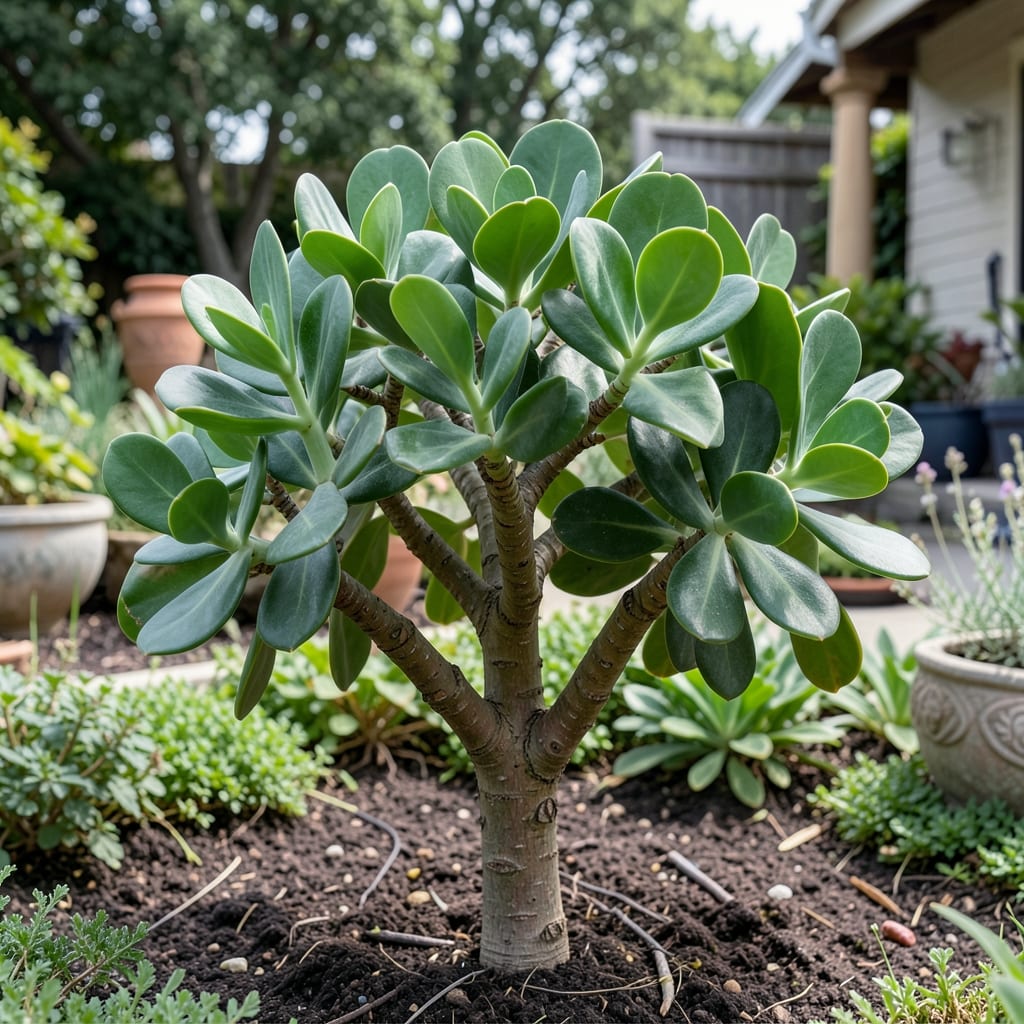
If your jade plant 🌿 is stretching toward the light like it’s reaching for a high-five, you’re probably wondering: how much light does a jade plant actually need? Too little, and it grows leggy; too much, and those plump leaves turn crispy. The sweet spot? Bright, indirect sunlight—think of it as the Goldilocks of light conditions.
Jade plants (Crassula ovata) are tough little succulents, but they’re not desert survivors by default. They crave bright indirect light—like a sunny windowsill with a sheer curtain filtering the rays. Too much direct sun, especially in USDA Zone 6a, can scorch their leaves, while too little leaves them stretching and losing their signature thick, glossy look.
Here’s the game-changer: 4 to 6 hours of bright, filtered light per day is ideal, whether indoors or out. In spring, when your jade plant is waking up from dormancy, it’s time to adjust its light exposure gradually. Too much change too soon, and you’ll end up with a sad, sunburned succulent—or worse, one that’s flopping over like a tired balloon.
Don’t worry if your space isn’t naturally bright—we’ll cover how to supplement with artificial lighting and spot the signs of light stress. By the end, your jade plant will be thriving, not just surviving, with leaves so thick and happy you’ll want to show them off at every plant party.

Ideal light requirements for jade plants: bright indirect sunlight explained
Jade plants (Crassula ovata) thrive in bright indirect sunlight, but they can adapt to a range of light conditions—if you know the limits. Too little light causes etiolation (stretched, weak stems), while too much direct sun leads to sunburned leaves with brown or white patches. The key is finding that golden balance of 4-6 hours of indirect light daily, especially in indoor settings.
Outdoors, jade plants love morning sun (6 AM–10 AM) paired with afternoon shade (2 PM–6 PM). If you’re growing them in a south-facing window, use a light sheer curtain to filter harsh rays. In warmer climates, partial shade during peak summer hours (11 AM–3 PM) prevents leaf scorch while keeping your plant happy.
Indoors, position your jade plant 1-3 feet from an east or west-facing window for optimal growth. South-facing windows work too, but rotate the pot weekly to ensure even light exposure. Avoid dim corners or north-facing windows unless you supplement with grow lights—these areas often lead to pale, leggy plants that struggle to thrive.
Jade plants are sun-loving succulents, but they’re not desert cacti. Unlike aloe vera or snake plants, they can’t handle intense midday sun without protection. Think of them as sunbathing teens—they love the glow but need breaks from the harshest rays.
| Light Condition | Daily Exposure | Signs of Stress | Best For |
|---|---|---|---|
| Bright Indirect Light | 4-6 hours | Healthy green leaves, compact growth | Indoor windows, filtered outdoor light |
| Direct Morning Sun | 2-4 hours (before 10 AM) | Minimal stress; ideal for outdoor pots | Outdoor cultivation, south-facing balconies |
| Low Light | <2 hours | Yellowing leaves, stretched stems (etiolation) | North-facing windows, dim offices |
| Intense Midday Sun | >4 hours (11 AM–3 PM) | Brown/white patches (sunburn), crispy edges | Hot climates without shade |
The best light setup for jade plants balances brightness and duration. For example, a west-facing window gives strong afternoon light without the harsh midday heat, making it ideal for indoor growers. If your plant starts leaning toward the light, it’s starving for more—rotate the pot to encourage even growth or move it closer to the window.
Seasonal changes also affect light needs. In winter, when daylight is shorter, supplement with a 12-hour grow light (LED or fluorescent) to mimic natural cycles. In summer, watch for heat stress—if leaves feel warm to the touch, move your jade to a cooler spot or increase airflow with a small fan.
Pro tip: Test your light conditions by observing your jade plant’s leaves. Dark green, thick leaves mean it’s thriving. Pale green or red-tinged leaves signal too much sun. Yellow or dropping leaves mean too little light. Adjust gradually—sudden changes can shock the plant, even if the light is "better."
For outdoor jade plants, spring and fall are the sweet spots for full sun exposure (up to 6 hours). But in summer, provide dappled shade or move pots to a shadier patio to prevent leaf scorch. Mulch around the base with pebbles or gravel to reflect excess heat away from the roots.
Remember, jade plants are low-maintenance survivors, but they reward attention to light with thicker leaves, bushier growth, and vibrant color. Start with bright indirect light, monitor their reactions, and tweak as needed. Your jade will thank you with years of lush, happy growth—and maybe even a few baby pups to propagate! 🌿
How to adjust light for jade plants in different environments
Not all homes are blessed with sun-drenched windowsills, and even outdoor spaces can shift in light intensity. If your jade plant 🌿 is struggling in a low-light apartment, or you’re growing it in a greenhouse with intense afternoon sun, don’t panic—adjustments are key. The goal? Mimicking that bright indirect light we talked about earlier, no matter where you live.
Start by assessing your space. A north-facing window offers gentle, diffuse light but rarely enough for a jade plant’s needs. On the flip side, a south-facing window can deliver harsh, direct rays that scorch leaves by midday. The sweet spot? East or west-facing windows, where morning or late-afternoon sun is softer and more forgiving.
For indoor growers in dimmer spaces, consider a DIY light filter. Drape a sheer curtain or a piece of white lace fabric over the window to diffuse harsh light. If your jade plant is still stretching toward the light (a sign of etiolation), it’s time to bring in supplemental grow lights. LED grow lights with a 5000-6500K color temperature mimic natural sunlight and can be placed 6-12 inches above your plant for 12-14 hours per day.
⚠️ Warning: Avoid These Light Mistakes
Sudden light changes can shock your jade plant. If you move it from indoor shade to direct sunlight overnight, its leaves may develop sunburn spots (white or brown patches). Always acclimate your plant by gradually increasing light exposure over 1-2 weeks.
Outdoor growers in USDA Zone 6a should also watch for seasonal shifts. In summer, afternoon sun can be intense—provide afternoon shade with a lightweight shade cloth (30-50% block) if leaves start looking pale or translucent.
Outdoor cultivation requires even more attention to seasonal light management. In spring and fall, when days are shorter, your jade plant may need a temporary move to a sunnier spot or under a grow light to maintain its light requirements. Conversely, in winter, when natural light fades, reduce watering (since less light means less growth) but keep the plant in the brightest spot you can offer.
Pro tip: Rotate your jade plant quarter-turns every 2-3 weeks to ensure even light exposure. This prevents one side from stretching toward the light while the other stays weak and leggy. If you notice new growth leaning dramatically, it’s a clear sign your plant needs to be repositioned or receives more light.
For those in greenhouse setups, monitor temperature and humidity alongside light. Jade plants thrive in warm, dry conditions—if your greenhouse gets too humid, combine proper light exposure with good airflow to prevent fungal issues. A small fan or cracked window can work wonders.
Remember, the key to happy jade plants is consistency. Whether you’re tweaking indoor lighting or managing outdoor seasons, small, gradual adjustments will keep your plant thriving—no more sad, stretched-out succulents begging for attention! 🪴