
Light Requirements
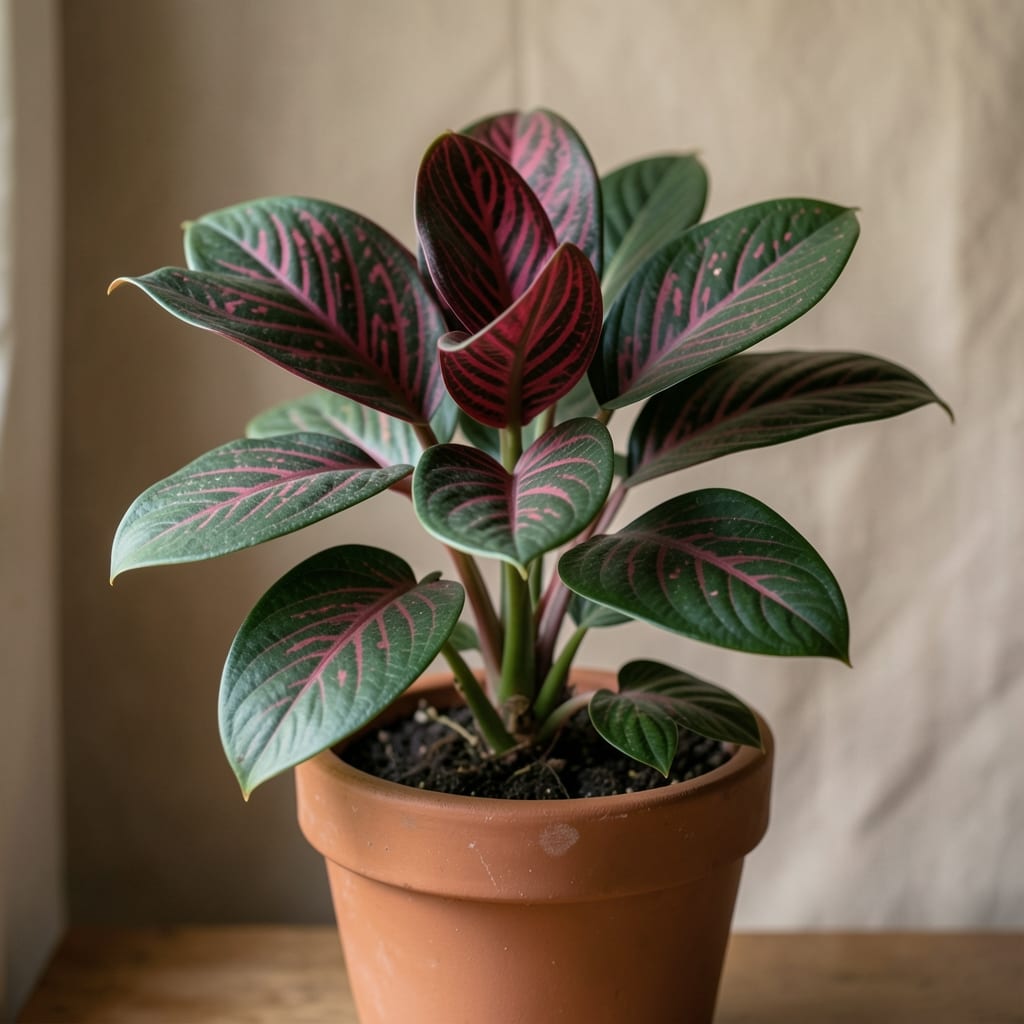
If you're wondering how much light does a prayer plant need, the answer is key to keeping its leaves vibrant and healthy—bright, indirect sunlight is essential. This stunning houseplant thrives under these conditions, but too much or too little can stunt its growth or even kill it.
Most people assume any light will do, but prayer plants are picky about their lighting conditions. They need about 10-12 hours of gentle, filtered light daily—think east-facing windows or a spot near a sheer curtain. Too much direct sun? Watch out for crispy edges. Too little? You’ll see slow growth and faded foliage.
Don’t worry if your home doesn’t have perfect natural light—there are easy ways to adjust. I’ll show you how to spot the signs of poor lighting and fix them, whether you’re dealing with a sunny windowsill or a dim corner. Let’s get your prayer plant glowing again!
The key is balance—too little light dulls their beauty, while too much burns their delicate leaves. With the right setup, your prayer plant will reward you with those signature folded leaves and rich patterns. Ready to learn the secrets to keeping it happy?

Optimal light requirements for prayer plant growth: 10-12 hours of bright, indirect sunlight explained
Prayer plants (Maranta leuconeura) thrive in bright, indirect light—think of it as morning sun with afternoon shade. These tropical beauties need about 10-12 hours of light daily, but direct sun will scorch their delicate leaves. The key is mimicking their natural understory habitat, where dappled sunlight filters through trees.
Indoor growers often struggle with this balance because windowsill light varies wildly. A south-facing window might deliver too much intensity, while a north-facing spot could leave your plant starving for light. Even outdoor prayer plants need afternoon shade, especially in hot climates where UV rays can bleach their stunning variegation.
Here’s the golden rule: brightness without direct rays. Your prayer plant’s leaves should look vibrant, not sunburned or pale. If you notice yellowing edges or crispy patches, you’ve overshot the mark—move it deeper into the room or add a sheer curtain to diffuse the light.
| Light Condition | Ideal Duration | Leaf Appearance | Growth Impact |
|---|---|---|---|
| Bright, Indirect Light | 10-12 hours | Deep green with variegation | Compact, lush growth |
| Low Light | <4 hours | Pale, dull leaves | Leggy, weak stems |
| Direct Sunlight | >4 hours | Brown/yellow patches | Stunted, crispy edges |
| Artificial Grow Light | 12-14 hours | Uniform color | Healthy, controlled growth |
Seasonal adjustments are crucial, especially if your prayer plant spends time outdoors. During spring and fall, morning sun is perfect, but summer’s intense rays demand afternoon shade. I’ve seen prayer plants in USDA Zone 8 gardens thrive under 50% shade cloth during peak afternoon hours—this mimics their tropical forest home.
Artificial lighting can save your prayer plant if natural light is lacking. A 12-14 hour LED grow light (with full-spectrum bulbs) placed 12-18 inches above the plant will work wonders. Just avoid placing it too close—leaf burn is a real risk with intense artificial sources. Rotate the pot weekly to ensure even growth.
Pro tip: Test your light conditions with a simple shadow test. Place a small card near your plant—if the shadow is sharp, the light is too direct. For ideal bright indirect light, the shadow should be soft and diffuse. This quick check can prevent costly mistakes before they happen.
Remember, prayer plants are light-sensitive but adaptable. If you notice stretched stems or faded variegation, it’s time to adjust. The goal is consistent, gentle light—not harsh or dim conditions. With the right balance, your prayer plant will reward you with bold foliage and nightly prayer-like movements.
🌿
Optimal light requirements for prayer plant growth: 10-12 hours of bright, indirect sunlight explained
Prayer plants (Maranta leuconeura) thrive in bright, indirect light that mimics their natural understory habitat. Unlike sun-loving succulents, they need filtered sunlight—think dappled shade through trees—not harsh afternoon rays. Too little light causes pale leaves and leggy growth, while too much direct sun leads to brown leaf tips and crispy edges. The sweet spot? 10-12 hours daily of gentle, diffused light, which keeps their stunning variegation vibrant and growth compact.
For indoor growers, this means placing your prayer plant 2-3 feet from an east-facing window, where morning sun is softest. South-facing windows work too, but use sheer curtains to diffuse the intensity. Outdoor gardeners can grow them under 50% shade cloth during peak summer hours, especially in zones with intense sunlight. Remember: prayer plants are not low-light plants—they just can’t handle direct sun like cacti or succulents.
| Light Condition | Ideal Duration | Plant Response |
|---|---|---|
| Bright, indirect light | 10-12 hours/day | Vibrant leaves, compact growth, variegation stays bold |
| Low light (e.g., north window) | <4 hours/day | Leggy stems, pale leaves, slow growth |
| Direct sunlight | >2 hours/day | Brown leaf tips, crispy edges, sunburn |
Seasonal adjustments are key. In spring and fall, when sunlight is gentler, you can place your prayer plant closer to a south-facing window (3 feet away) for extra light. But during summer’s intense heat, move it back 4-5 feet away or to a north-facing shelf to prevent leaf scorch. Artificial grow lights (like full-spectrum LEDs) are a lifesaver for offices or basements—aim for 6-8 hours of light daily if natural sources are limited.
Pro tip: Rotate your prayer plant quarter-turns weekly to ensure even light exposure. This prevents one-sided growth and keeps the foliage symmetrical. Watch for leaf color changes—healthy prayer plants have deep green or burgundy leaves with crisp variegation. If the colors fade or leaves stretch toward the light, it’s time to adjust your placement.
Outdoor gardeners in USDA zones 9-11 can grow prayer plants in partial shade gardens, but they’re primarily houseplants. If you’re growing them outside in pots, bring them indoors during winter months (below 60°F) to protect them from cold drafts and low-light conditions. A humidity tray or pebble tray nearby helps compensate for indoor dry air, which can stress plants in low-light conditions.
For beginners, start with a north or east window and observe your plant’s response. If leaves look dull or stretched, it needs more light. If they crisp at the edges, it’s getting too much direct sun. With the right balance, your prayer plant will reward you with bold foliage, rapid growth, and those iconic nightly "praying" movements—a true testament to perfect lighting.