
Light Requirements
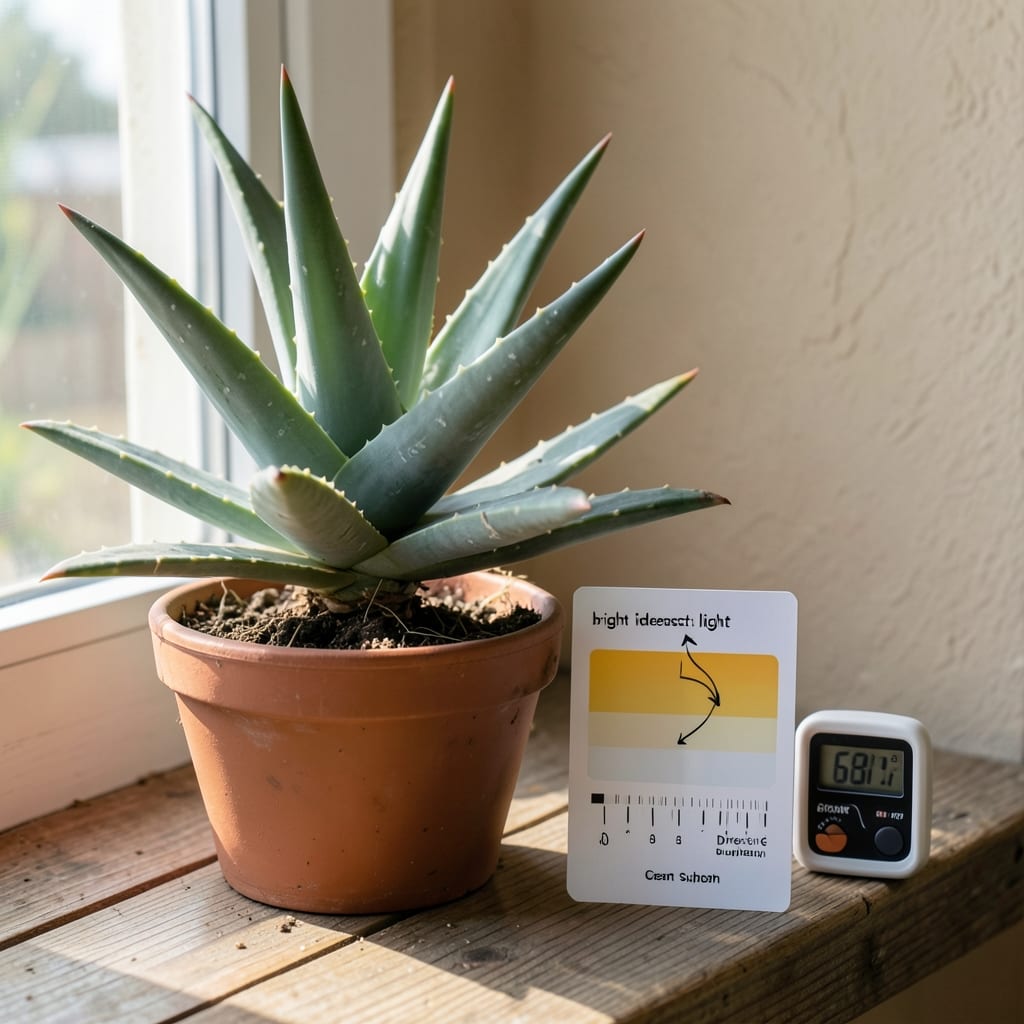
If your 🌱 Aloe Vera plant is sporting crispy brown edges or stretching toward the light like a sleepy cat, you're not alone—your plant is simply telling you it's getting the wrong amount of light. The perfect balance of sunlight is the key to keeping your Aloe Vera thriving without turning it into a sad, sunburned mess.
Most people assume aloe vera plants just need "lots of light," but the truth is more nuanced. Too much direct sun can scorch those beautiful leaves, while too little leaves them weak and leggy. The sweet spot? About 4 to 6 hours of bright, indirect light daily—whether that’s a sunny windowsill or a well-placed grow light for indoor plants.
I’ve seen firsthand how a little adjustment in placement can transform a struggling aloe vera into a lush, healthy powerhouse. Whether you’re dealing with a south-facing window or limited indoor space, I’ll show you exactly how to give your plant the ideal light conditions—no guesswork required.
Ready to stop the leaf burn and watch your aloe vera flourish? Let’s dive into the exact light requirements and troubleshooting tips that’ll keep your plant happy year-round.

Optimal sunlight hours for aloe vera: the science-backed range
Aloe vera thrives with 4-6 hours of direct sunlight daily, but the intensity matters just as much as duration. Too little light causes weak, stretched growth, while too much leads to leaf burn and crispy edges. Understanding your plant’s light needs is the first step to keeping it healthy and vibrant.
Outdoor aloe vera plants love full sun exposure, especially in USDA Zones 8-11. In cooler climates (Zones 6-7), they still need bright light but may require afternoon shade during peak summer months to prevent scorching. The key is balancing light with temperature tolerance.
Indoors, place your aloe vera near a south-facing window for the strongest light. East or west windows work too, but supplement with a grow light for 2-3 hours daily if the leaves start stretching toward the light—a sign of light deprivation.
Here’s how to measure sunlight accurately: Use the "finger test". Hold your hand near the plant—if you can’t see your fingers clearly, the light is too intense. If you can read easily, it’s likely insufficient. Adjust placement accordingly for optimal growth.
| Condition | Outdoor Needs | Indoor Needs |
|---|---|---|
| Daily Sunlight | 4-6 hours (full sun) | 4-6 hours (bright indirect) |
| Best Window | South or west exposure | South-facing window |
| Seasonal Adjustments | Afternoon shade in summer | Grow lights in winter |
| Sign of Too Much Light | Brown, crispy leaf tips | Yellow patches on leaves |
| Sign of Too Little Light | Stretched, pale leaves | Leaning toward light source |
Seasonal changes affect sunlight intensity. During summer months, the sun’s rays are stronger, so move your aloe vera to a slightly shaded spot if you notice white or brown patches appearing. In winter, when natural light is scarce, supplement with a 12-hour grow light cycle to maintain its health.
For outdoor aloe vera, morning sun is ideal—it’s less intense than afternoon rays. If you’re growing aloe vera in a container on a patio, rotate the pot every few weeks to ensure even light exposure. This prevents uneven growth and keeps the plant compact and sturdy.
If you’re unsure about your location’s sunlight, observe your aloe vera’s leaves. Healthy leaves are thick, green, and upright. If they’re stretching upward, it’s time to move the plant closer to a brighter spot. If they’re turning yellow or brown, reduce direct sunlight or provide afternoon shade.
Pro tip: Group aloe vera with other succulents or cacti in your garden. They share similar light requirements, making it easier to create an optimal growing environment without overcomplicating care routines.
Remember, aloe vera is a sun-seeker, but like all plants, it needs balance. Too much of a good thing—even sunlight—can harm your plant. Pay attention to its visual cues and adjust accordingly for a thriving, happy aloe vera.
Signs of overlighting vs. underlighting (and how to fix it)
Aloe vera plants send clear signals when their light needs aren't met. Overlighting causes crispy, brown leaf edges, while underlighting leads to pale, stretched leaves. These visual cues help you adjust care before damage becomes permanent.
Watch for brown patches on leaf tips—this is classic sunburn from too much direct sunlight. In extreme cases, leaves may develop white or yellow patches. Move your plant to a spot with morning sun only or add sheer curtains to filter harsh afternoon rays.
Underlighted aloe vera stretches toward light sources, creating long, thin leaves with weak stems. This condition, called etiolation, weakens the plant and makes it prone to falling over. Rotate your plant weekly to ensure even growth and supplement with a grow light if natural light is insufficient.
🌱
- Brown, crispy leaf tips
- White/yellow sunburn patches
- Leaves curling outward
- Pale, stretched leaves
- Long, weak stems
- Leaves leaning toward light
- Move to indirect light
- Use sheer curtains for afternoon sun
- Water more frequently to dilute salt buildup
- Rotate plant weekly for even growth
- Add grow lights (12-14 hrs/day)
- Choose south-facing window
During winter months, aloe vera's light needs drop due to shorter days. If you notice leaves turning pale or growing slowly, supplement with a LED grow light placed 6-12 inches above the plant. Use a timer for 12-14 hours of light daily to mimic summer conditions.
For outdoor aloe vera, afternoon shade becomes crucial in summer. If your plant shows signs of stress during peak sun hours (11 AM-3 PM), provide shade using a lightweight shade cloth or move it to a spot with dappled sunlight.
Regularly check your aloe vera's leaves—healthy aloe should have thick, vibrant green leaves with no brown edges or pale spots. Addressing light issues early prevents long-term damage and keeps your plant thriving for years.