
Light Requirements
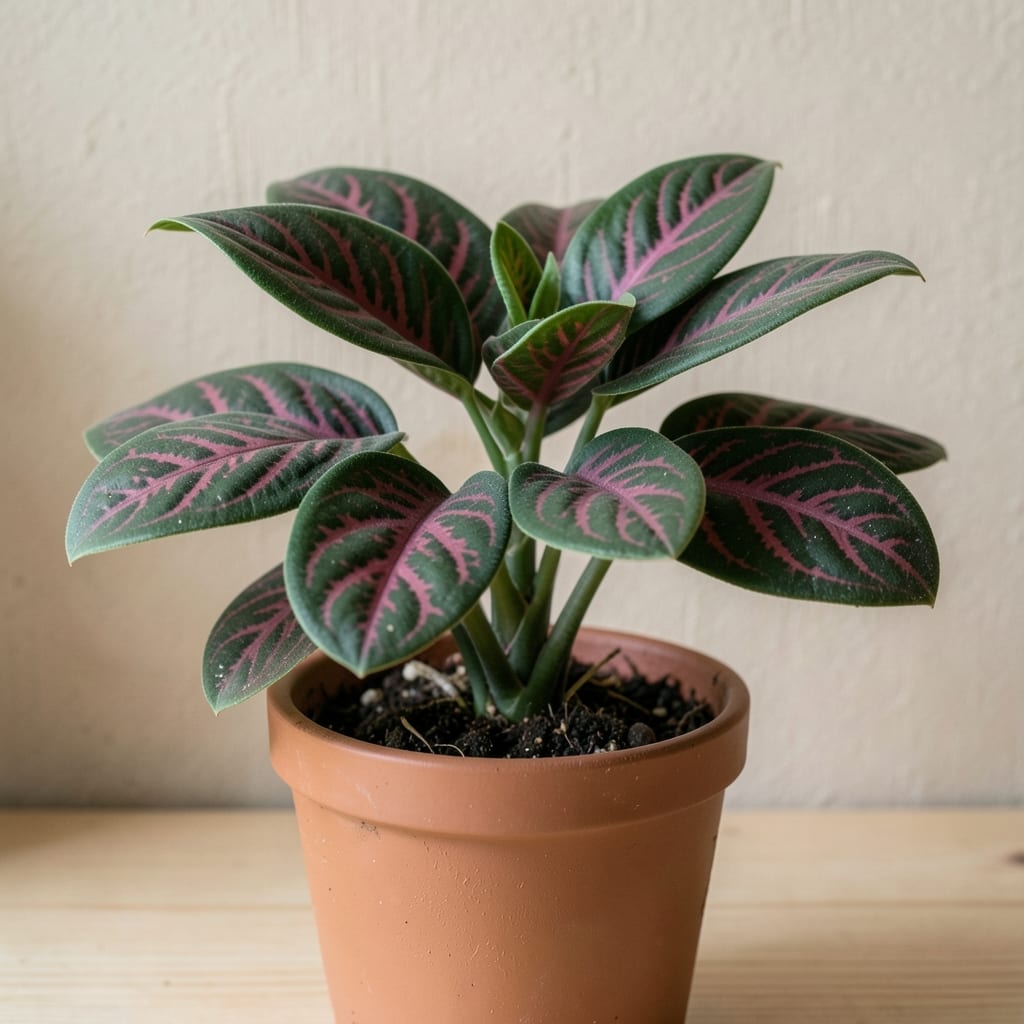
If your Prayer Plant 🌿 looks more tired than prayerful, the light might be the missing piece. Finding the perfect balance of bright indirect light can transform those droopy leaves into vibrant, velvety foliage that’s the envy of every plant lover.
Most people assume more light is always better, but this tropical beauty actually thrives in filtered sunlight—think dappled shade rather than harsh midday rays. Too little light, and your plant’s colors fade; too much, and you’ll see crispy edges. Let’s break down exactly how to get it right for lush, healthy growth.
Whether you’re dealing with a north-facing window or need artificial lighting solutions, I’ll show you where to place your Prayer Plant for optimal results. You’ll also learn how to spot signs of light stress and adjust before it’s too late.
Ready to give your plant the perfect glow? Let’s turn those sad leaves into a showstopper with simple, actionable tips that actually work—no guesswork required.


Optimal light requirements for prayer plant growth and color
The Prayer Plant (Maranta leuconeura) thrives in bright indirect light, mimicking its native tropical understory habitat. Too much direct sun causes leaf scorch, while too little dim light leads to leggy, pale growth. The ideal spot receives 4-6 hours of filtered sunlight daily, especially morning rays that are gentler than afternoon intensity.
Think of it like dappled shade under a canopy—this plant loves soft, diffused light rather than harsh glare. A north-facing window or east-facing spot works best, while south or west windows may require sheer curtains to prevent leaf burn. Even artificial light can work if positioned 12-18 inches away for 10-12 hours daily.
Your plant’s foliage patterns are a dead giveaway for light health. Vibrant purple, pink, or green stripes mean perfect lighting, while dull, washed-out leaves signal insufficient light. Over-exposure shows as brown crispy edges or bleached patches—clear signs to adjust placement immediately.
Seasonal changes also impact light needs. In summer months, morning sun is ideal, but afternoon rays should be blocked. During winter’s shorter days, supplement with a grow light to maintain consistent brightness. This helps prevent slow growth or stunted foliage that often occurs when natural light dims.
| Light Condition | Ideal Duration | Foliage Response | Adjustment Needed |
|---|---|---|---|
| Bright Indirect Light | 4-6 hours | Vibrant stripes, compact growth | Perfect—no changes |
| Low Light | <2 hours | Pale leaves, leggy stems | Move closer to window or add grow light |
| Direct Sunlight | >4 hours | Brown crispy edges, bleached spots | Add sheer curtain or move 2-3 feet away |
Another key factor is light consistency. Prayer Plants dislike sudden changes, so avoid moving them frequently. If you notice new growth fading after a move, it’s likely adjusting to a new light intensity. Rotate the pot quarter-turn weekly to ensure even exposure—this prevents one-sided growth and keeps foliage symmetrical.
For those in apartments with limited natural light, LED grow lights (2700K-6500K color temperature) are a game-changer. Place them 12-18 inches above the plant and run them for 10-12 hours daily. Brands like Spectrum or GE LED offer affordable options that mimic natural sunlight without the heat.
Pro tip: Use a light meter app (like Light Meter for iOS) to measure foot-candles in your plant’s spot. Aim for 500-1000 foot-candles—this range keeps your Prayer Plant thriving without risking burn. If readings are lower, supplement with artificial light immediately to prevent stress.
Remember, light quality matters more than quantity. A dim but bright indirect spot beats harsh overhead lighting any day. Pay attention to your plant’s leaves’ response—they’ll tell you exactly what they need through color, texture, and growth patterns. With the right balance, your Prayer Plant will reward you with lush, velvety foliage that’s the star of your collection.
Optimal light requirements for prayer plant growth and color
Your Prayer Plant (Maranta leuconeura) thrives in bright indirect light, mimicking its tropical understory habitat. This means it needs filtered sunlight—think of it as standing under a canopy with dappled rays. The ideal spot gets 4-6 hours of bright, diffused light daily, like an east-facing window where morning sun gently brightens the room without harsh afternoon rays.
Direct sunlight, especially midday or afternoon rays, can scorch your plant’s delicate leaves, causing brown patches or crispy edges. Even a few hours of direct sun can stress it, so avoid south- or west-facing windows unless you use a sheer curtain to filter the light. Too little light, on the other hand, leads to pale, leggy growth and faded foliage patterns—those stunning prayer-like leaves won’t develop their full vibrancy.
Here’s how light affects your Prayer Plant’s appearance:
- Perfect light: Deep, rich colors with velvety texture and upright growth.
- Too much light: Bleached or yellowed leaves with brown tips.
- Too little light: Stretched stems, pale leaves, and weak growth.
| Requirement | Specification |
|---|---|
| Light Type | Bright indirect light (60% brightness) |
| Daily Light Hours | 4-6 hours (morning sun preferred) |
| Best Window | East-facing (gentle morning light) |
| Avoid | Direct midday/afternoon sun, north-facing windows (too dim) |
| Signs of Perfect Light | Vibrant foliage, compact growth, upright leaves |
If your home lacks natural light, LED grow lights can bridge the gap. Position them 6-12 inches above the plant and provide 12-14 hours of light daily to mimic daylight. Use a timer for consistency, and choose cool white or full-spectrum LEDs to avoid heat stress. Rotate your plant quarter-turns weekly to prevent uneven growth toward the light source.
Seasonal changes also impact light needs. In winter, shorter days mean your plant may need supplemental light, while summer’s intense rays might require moving it farther from windows or adding a sheer curtain. Watch for leaf color shifts—dull or faded hues signal a need for more light, while crispy edges mean it’s getting too much.
Pro tip: Test your plant’s light tolerance by moving it gradually. If you notice stress, adjust its position inch by inch over a week to avoid shocking the roots. Patience pays off—your Prayer Plant’s foliage will thank you with lush, prayer-like beauty. 🌿