
Companion Plants
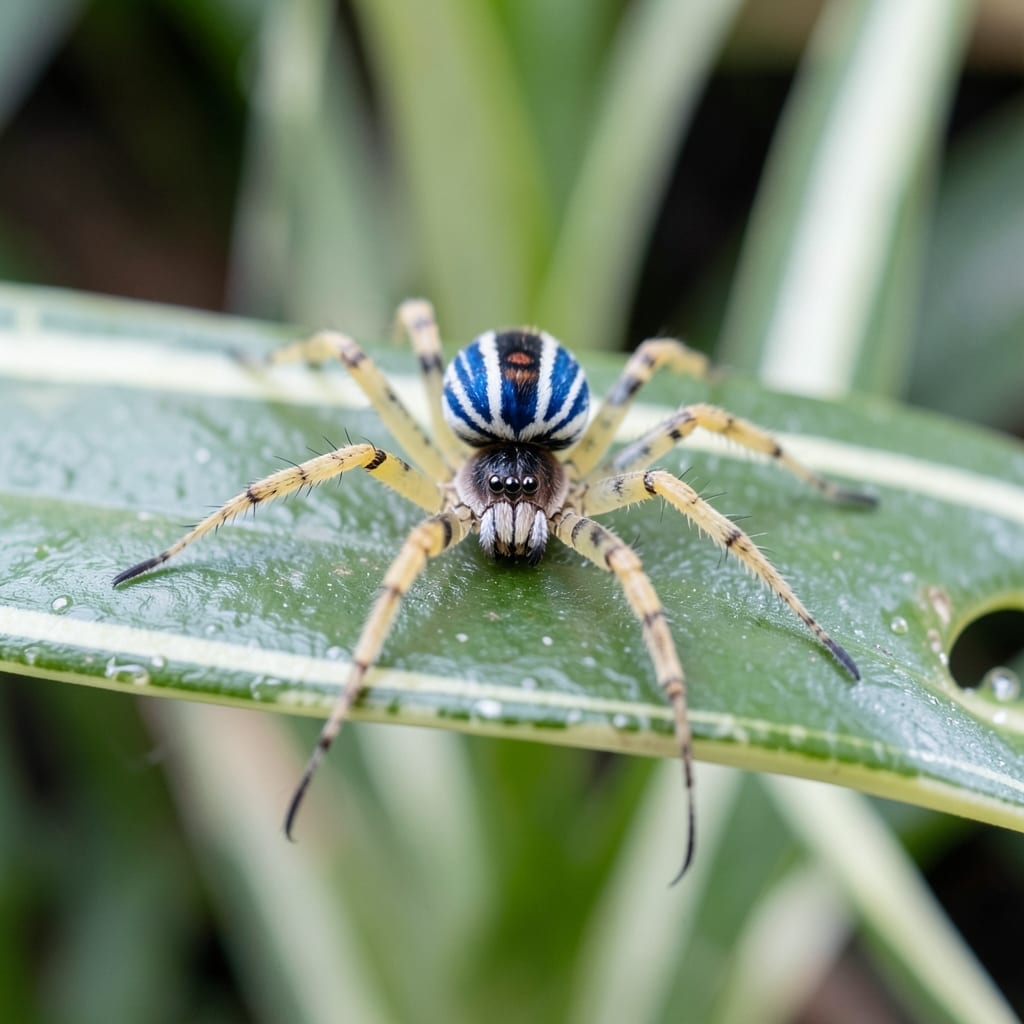
If your 🕷️ Spider Plant is looking more like a sad, brown-tipped shadow of its former self, you’re probably asking: how much light should a Spider Plant get? The truth is, this hardy houseplant is forgiving—but only up to a point. Too little light, and it stretches out like a sleepy cat; too much, and those pretty leaves start crisping at the edges. The good news? With the right light strategy, you can keep your Spider Plant thriving in almost any indoor spot.
Most Spider Plants (like the classic Chlorophytum comosum) thrive in bright, indirect light, but here’s the catch: variegated varieties with white or yellow stripes need even more care. That’s because their fancy patterns come with a trade-off—they crave more light to keep those colors vibrant. Meanwhile, solid green types can handle a little more shade. The key is understanding your plant’s personality and adjusting accordingly.
Let’s cut to the chase: your Spider Plant likely lives 2-3 feet from an east or north-facing window, where it gets 4-6 hours of filtered sunlight daily. But what if your space only has harsh afternoon sun or dim corners? Don’t panic—we’ll show you how to spot the signs of light stress (those dreaded brown tips!) and tweak your setup to keep your plant happy. Ready to turn your Spider Plant back into the lush, leafy star of your home?
Whether you’re dealing with a leggy, stretched-out plant or one that’s barely growing at all, this guide will help you diagnose the issue and find the perfect light balance. By the end, you’ll know exactly where to place your Spider Plant—no more guesswork, just happy, healthy growth. Let’s get started!


Spider plant light requirements by leaf color: green vs. variegated varieties
Spider plants (Chlorophytum comosum) are famously adaptable, but their light needs vary dramatically based on one key factor: leaf color. The variegated varieties (like 'Vittatum' or 'Bonnie') require more light than their solid green counterparts to maintain those striking stripes. This difference is why your green spider plant might thrive in a dim corner while your variegated variety develops weak, pale leaves in the same spot.
Most gardeners overlook this detail and assume all spider plants have identical light tolerances. In reality, green spider plants can handle low to bright indirect light, while variegated types need moderate to bright indirect light—or they’ll revert to all-green foliage. Understanding these differences is the first step to preventing those frustrating brown leaf tips or stretched, leggy growth.
The ideal light range for most spider plants falls between 4,000 to 6,000 lux (about 2-3 feet from an east or north-facing window). However, variegated varieties often need closer to 6,000-8,000 lux to keep their patterns vibrant. Direct sunlight—especially afternoon rays—can scorch leaves, so always use a sheer curtain to diffuse harsh light.
| Variety | Light Needs | Signs of Too Little Light | Signs of Too Much Light |
|---|---|---|---|
| Green (e.g., 'Mickie') | Low to bright indirect (2-6 ft from window) | Pale green leaves, slow growth, weak stems | Brown leaf tips, crispy edges |
| Variegated (e.g., 'Vittatum') | Moderate to bright indirect (1-3 ft from window) | All-green leaves, weak variegation, stretched growth | Yellow patches, bleached stripes, leaf burn |
| Silver Streak (e.g., 'Silver Queen') | Bright indirect (2 ft from east window) | Dull silver, reverts to green, slow spiderette production | Brown streaks on silver leaves, crispy edges |
If you’re unsure which variety you have, check the leaf patterns: solid green means lower light tolerance, while white or yellow stripes signal a need for brighter conditions. A quick test is to move your plant closer to a window for 1-2 weeks—if the variegation brightens, it was underlit. Conversely, if the leaves develop yellow or brown patches, it’s getting too much direct sun.
For indoor growers, artificial lighting can bridge the gap. A full-spectrum LED grow light placed 6-12 inches above the plant for 12-14 hours daily mimics ideal conditions. Variegated types benefit most from this setup, as they struggle to maintain their patterns in low light. Even a simple fluorescent bulb (like a T5 HO) can prevent the dreaded "reversion to green" in striped varieties.
Pro tip: Rotate your spider plant quarter-turns every 2 weeks to ensure even light exposure. This prevents lopsided growth and helps all leaves get equal access to sunlight. Variegated plants, in particular, will reward you with bolder stripes when given consistent, bright indirect light—making the effort totally worth it for their stunning appearance.
Watch for these subtle signs of light stress: Brown tips often mean too much direct sun, while pale, weak leaves signal insufficient light. Adjusting your plant’s position based on these cues can transform a struggling spider plant into a thriving, vibrant centerpiece in just a few weeks.
Remember, spider plants are forgiving, but they’re not invincible. Green varieties can handle more neglect, while variegated types demand your attention. Give them the right light, and they’ll reward you with long, arching leaves and those adorable spiderettes year-round.
Spider plant light requirements by leaf color: green vs. variegated varieties
If your spider plant leaves are losing their vibrancy or developing brown tips, the culprit is often light exposure. But here’s the twist: green varieties and variegated types (like 'Vittatum') have wildly different needs. Green spider plants can handle low-light conditions better, while variegated ones need more brightness to maintain their striking patterns. Let’s break down the ideal light ranges for each type so you can revive your plant’s health.
For solid green spider plants, think of them as the low-light champions of the houseplant world. They thrive in bright indirect light but can also tolerate medium to low light for extended periods. Place them 3-5 feet from an east-facing window or under fluorescent lighting. If your plant’s leaves start looking pale or stretched, it’s begging for more light—but never direct sun, which burns their delicate foliage.
| Variety | Light Needs | Ideal Placement | Signs of Stress |
|---|---|---|---|
| Green (e.g., 'Bonnie') | Bright indirect light (4-6 hrs) | 3-5 ft from east/north window | Pale leaves, slow growth |
| Variegated (e.g., 'Vittatum') | Bright indirect to moderate light (6+ hrs) | 2-3 ft from west/south window (filtered) | Brown tips, dull variegation |
| Silver Streak | Moderate to bright indirect light (5-7 hrs) | 1-2 ft from east window or grow light | Yellowing leaves, weak stems |
Variegated spider plants, like the popular 'Vittatum', are light-hungry because their white stripes require more energy to produce. Place them closer to a window—ideally 2-3 feet from a west or south-facing window—but always use a sheer curtain to filter harsh rays. If your variegated plant’s leaves lose their contrast or develop brown edges, it’s either getting too much direct sun or not enough light. Rotate the pot quarter-turns weekly to ensure even growth.
Pro tip: Artificial grow lights can save your spider plant if natural light is scarce. Use a full-spectrum LED bulb 6-12 inches above the plant for 12-14 hours daily. This mimics bright indirect light and is perfect for variegated types struggling in dim corners. Just avoid cool white bulbs, which can bleach the leaves over time.
Watch for these light stress signs to diagnose issues quickly: Yellow leaves mean too much water + low light, while brown tips signal low humidity + direct sun. If your plant’s leaves are stretching upward (a condition called etiolation), it’s reaching for light—move it closer to a brighter spot immediately. With the right light, your spider plant will reward you with lush foliage and those iconic spiderettes within weeks.
🌱