
Light Requirements
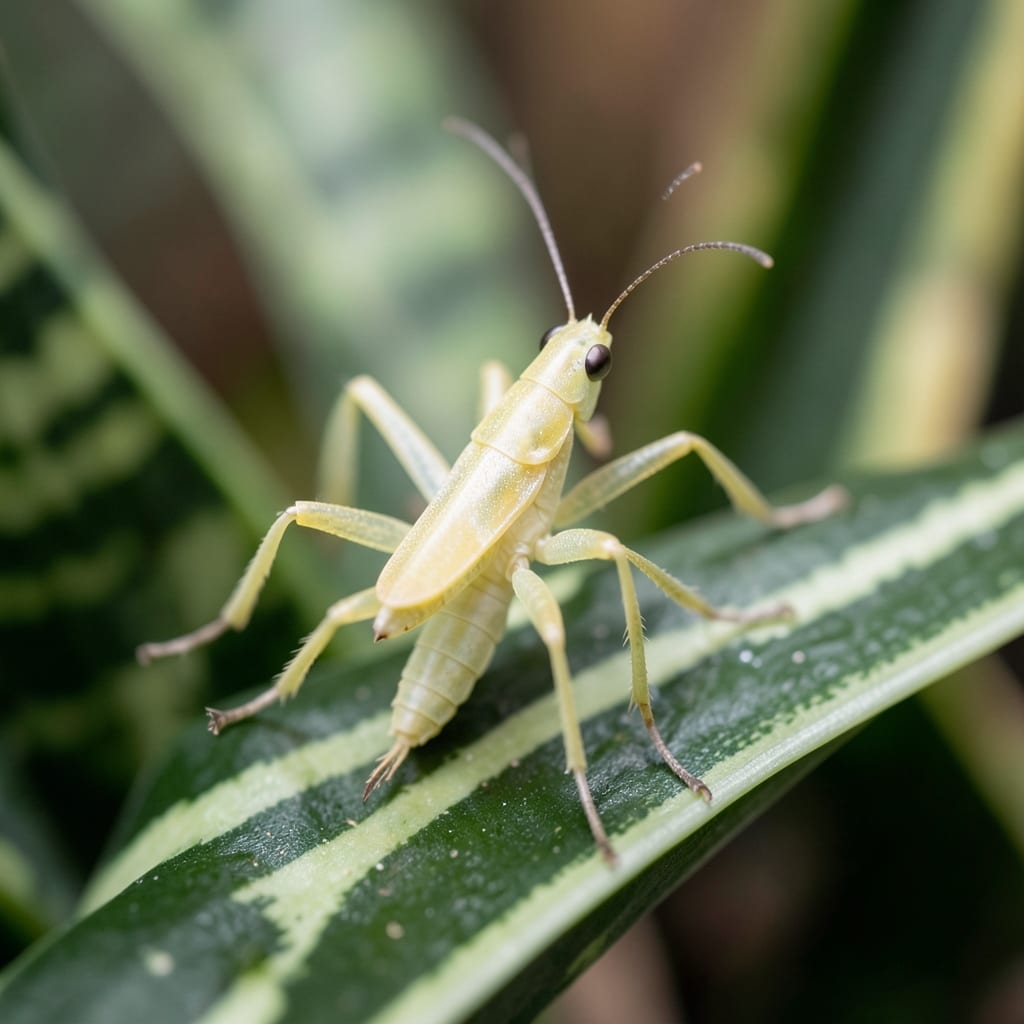
Ideal light requirements for snake plants: low to bright indirect sunlight explained
Snake plants (Sansevieria) are famous for their hardiness, but their light needs are often misunderstood. Many gardeners assume they thrive in dim corners, but too little light causes stretched, weak growth, while too much can scorch their leaves. The key is finding that sweet spot of indirect sunlight—where they get enough energy without stress.
Think of your snake plant’s light requirements like a spectrum: it can handle low light (like a north-facing window), but it truly flourishes in bright indirect light (similar to a west-facing window with sheer curtains). Even artificial grow lights can work if natural light is limited, but we’ll cover that later.
Here’s the golden rule: snake plants need 2-4 hours of indirect light daily. This means placing them 2-5 feet from a window, where sunlight filters through curtains or trees. Direct midday sun (especially south- or west-facing) can cause brown leaf tips, while fluorescent lighting in offices works surprisingly well for low-light conditions.
One common myth is that snake plants can survive in complete darkness. While they’re drought-tolerant, they won’t grow well without any light. Their leaves will stretch toward the nearest light source (a condition called etiolation), making them look leggy and weak. The goal is to mimic their natural habitat—dry, sunny savannas where they receive dappled sunlight.
If you’re unsure about your space’s light levels, try this simple test: place your hand near the plant’s spot. If you can comfortably read a book with the light filtering through your fingers, it’s likely ideal indirect light. If the light feels harsh (like a spotlight), move the plant back or add a sheer curtain.
| Light Level | Description | Ideal Placement | Growth Result |
|---|---|---|---|
| Low Light (20-30%) | North-facing window or 8+ feet from a south/west window | Survives but grows slowly; leaves stretch | ✅ Tolerates but not ideal |
| Medium Light (30-50%) | East-facing window or 3-5 feet from a south window with sheer curtains | Healthy growth; compact leaves | ⭐ Best for most homes |
| Bright Indirect (50-70%) | West-facing window with filtered light or 2 feet from an east window | Vibrant, upright leaves; fastest growth | ⭐ Optimal for thriving plants |
| Direct Sunlight (70%+) | South/west window without curtains or greenhouse conditions | Brown leaf tips; crispy edges | ❌ Risk of sunburn |
For office environments, fluorescent lighting can work if the plant gets at least 6 hours daily. If your workspace has LED bulbs, opt for full-spectrum LEDs (like those designed for plants) to replicate natural light. Rotate your snake plant quarter-turns every 2-3 weeks to ensure even growth, as they naturally lean toward the light source.
Seasonal changes also affect light exposure. In winter, days are shorter, so supplement with a grow light if your plant looks pale or leggy. Conversely, in summer, watch for intense afternoon sun (especially in south-facing windows) and move your plant back if leaves develop yellow or brown patches.
Pro tip: Snake plants in smaller pots (like 6-inch containers) adapt better to low-light conditions than those in large pots. This is because the soil dries out faster, reducing the risk of root rot—a common issue when plants are underwatered due to poor light. Always use a well-draining cactus/succulent mix to complement their light needs.
Remember, the goal isn’t perfection—it’s finding the right balance for your space. Even a bathroom with a window can work if you place the plant within 3 feet of the light source. The key is observing your plant’s growth patterns and adjusting as needed. 🌱
Ideal light requirements for snake plants: low to bright indirect sunlight explained
Snake plants (Sansevieria) are often called the "queens of low-light tolerance," but that doesn’t mean they thrive in complete darkness. The key is understanding their flexible yet specific light needs. Unlike sun-loving plants, snake plants prefer bright indirect sunlight but can adapt to low-light conditions—though growth may slow. The myth that they survive in dim corners is true, but optimal growth requires 2-4 hours of indirect light daily.
Most people overlook the spectrum of light snake plants need. They handle low light (10-20% sunlight) but perform best in medium to bright indirect light (40-60% sunlight). Direct sunlight can scorch their leaves, while too little light causes stretched, weak foliage. The goal? Mimic their natural habitat—dappled shade under trees—where they receive filtered sunlight without harsh rays.
Here’s the light spectrum breakdown for snake plants, including how to spot the right balance in your home:
Pro Tip: Place your snake plant 2-5 feet from a north-facing window for ideal low to medium light. If you notice leaves stretching toward the light, it’s begging for more brightness. Conversely, yellow or brown tips signal too much direct sun. The secret? Rotate your plant every 2-3 weeks to ensure even growth and prevent lopsided exposure.
Another common mistake? Assuming fluorescent office lights are enough. While snake plants tolerate them, they’ll grow 30% slower without natural light. If your space lacks windows, LED grow lights (5000K-6500K) for 12-14 hours daily can mimic sunlight perfectly. Think of it as a light supplement, not a replacement for natural conditions.
Remember, snake plants are forgiving, but they’re not invincible. The sweet spot is bright indirect light—enough to fuel growth without risking damage. Start here, and you’ll see thicker leaves, richer colors, and fewer stress signals in just a few weeks.