
Size
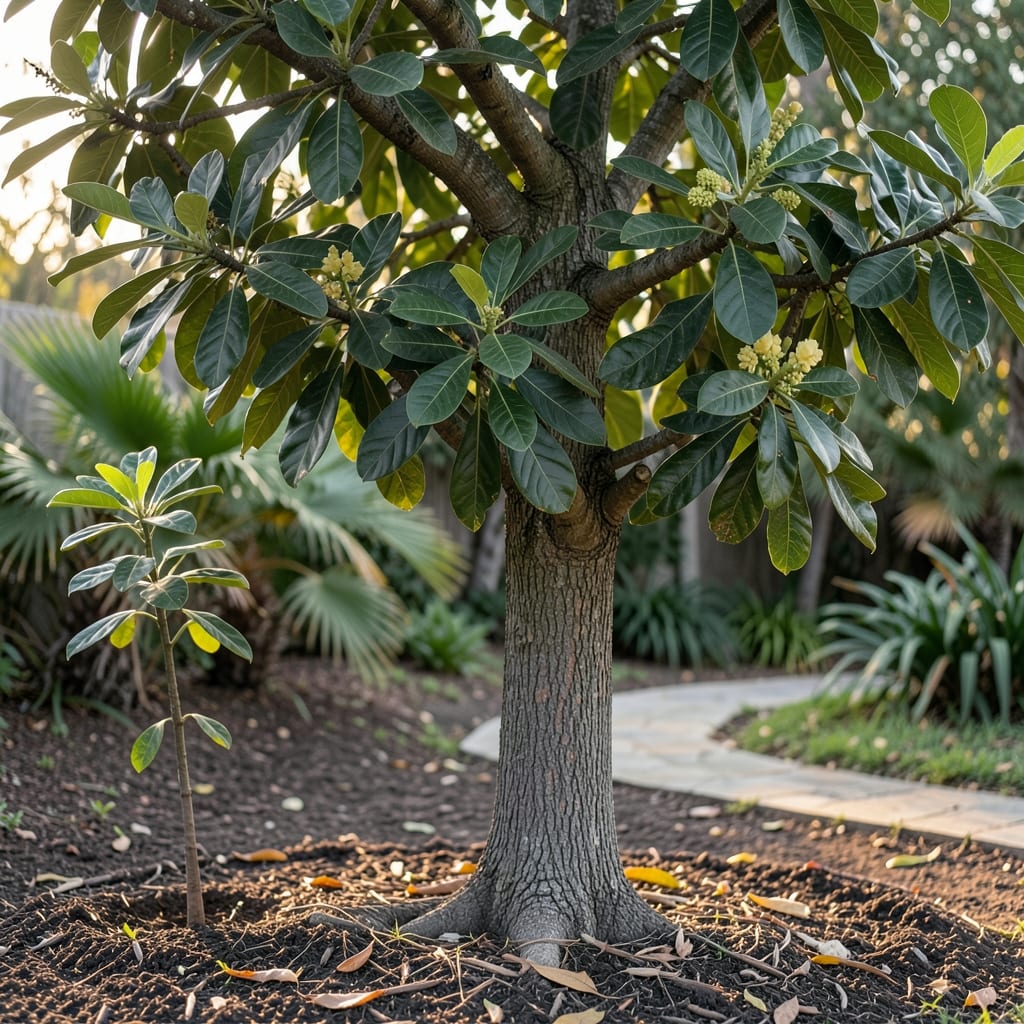
If you’ve ever dreamed of growing your own 🥑 avocado tree but wondered how tall an avocado tree can grow, here’s the good news: size isn’t one-size-fits-all. Some varieties stay compact enough for containers, while others reach skyscraper proportions—up to 80 feet tall! Knowing the differences can mean the success or failure of your tropical garden project.
The height of your avocado tree depends on more than just genetics—climate, soil quality, and pruning habits play starring roles. In USDA Zone 6a, where spring planting kicks off in April, choosing the right variety is the first step to controlling growth. Whether you’re eyeing a dwarf that stays under 15 feet or a standard tree that could outgrow your fence, understanding these factors will help you plan for the future.
Here’s what you’ll discover: how fast your tree grows each year, which varieties stay manageable, and the best pruning techniques to keep it in check. No more guessing games—just practical advice to turn your avocado dreams into a reality, no matter how much (or little) space you’ve got.
Ready to pick the perfect tree for your space? Let’s break down the heights, growth phases, and care tips that’ll keep your avocado thriving—without taking over your yard.

Avocado tree height by variety: from dwarf to towering giants
Avocado trees are famous for their dramatic height differences—some stay compact enough for containers, while others become towering backyard landmarks. The variety you choose determines whether your tree will reach 10 feet or 80 feet at maturity. Understanding these differences helps you select the perfect avocado for your space and climate.
Dwarf varieties like Mexicola or Wurtz stay between 10-15 feet, making them ideal for patios or small yards. Meanwhile, standard varieties such as Hass or Fuerte can grow 50-100 feet tall, requiring significant space and professional pruning. Let’s explore the full range of mature heights and what they mean for your garden.
🌱
| Variety | Mature Height (ft) | Growth Rate (ft/year) | Best For |
|---|---|---|---|
| Mexicola (Dwarf) | 10-15 | 1-2 | Containers, patios |
| Wurtz (Dwarf) | 12-18 | 1.5-2.5 | Urban gardens |
| Lamb Hass (Semi-Dwarf) | 15-25 | 2-3 | Small yards |
| Hass (Standard) | 30-80 | 3-5 | Large properties |
| Fuerte (Standard) | 40-60 | 2.5-4 | Commercial orchards |
| Bacon (Standard) | 50-70 | 3-5 | Warm climates |
Dwarf varieties like Mexicola and Wurtz are perfect for home gardeners with limited space. They grow just 10-18 feet tall, making them suitable for containers or small patios. These varieties also produce fruit earlier, often within 3-5 years of planting, compared to standard trees that may take 5-10 years to bear fruit.
If you have a larger property, standard varieties like Hass or Fuerte will thrive. These trees can reach 50-80 feet, creating a stunning focal point in your landscape. However, their rapid growth—sometimes 3-5 feet per year—means you’ll need to plan for long-term space requirements and pruning maintenance.
For urban gardeners, consider semi-dwarf varieties like Lamb Hass, which grow 15-25 feet tall. These offer a middle ground, providing ample fruit production without overwhelming your yard. Always check your local climate zone, as some varieties perform better in USDA Zones 9-11, while others may need protection in cooler areas.
When selecting a variety, also consider fruit size and taste preferences. Dwarf varieties often produce smaller avocados, while standard trees yield larger fruit. For example, Bacon avocados are known for their creamy texture, while Hass avocados are popular for their rich flavor and versatility.
🌿
Proper spacing is critical for avocado trees, especially larger varieties. Standard trees need at least 20-30 feet of space between them to allow for airflow and prevent disease. Dwarf varieties can be planted 10-15 feet apart, but even they benefit from good circulation. If you’re planting multiple trees, consider their mature height and spread to avoid overcrowding.
One common mistake is underestimating the canopy spread of avocado trees. While height gets most of the attention, these trees also develop wide canopies—sometimes 20-30 feet across. This means you’ll need to account for both vertical and horizontal space when planning your garden layout.
For container growing, stick to dwarf varieties in 15-25 gallon pots with proper drainage. Use a high-quality potting mix and fertilize regularly to support growth. Remember, even dwarf trees will need 6-8 hours of sunlight daily to thrive, so place them in a
Avocado tree growth phases: height milestones by age
Your avocado tree’s height growth isn’t linear—it follows distinct phases, with dramatic spurts in the first few years. In USDA Zone 6a, where spring planting begins in April, understanding these milestones helps you set realistic expectations. A 1-year-old sapling might only reach 1-2 feet, but by year 3, it could surge to 6-10 feet if conditions are ideal.
Growth accelerates during the first 5 years, with trees gaining 3-5 feet annually in perfect conditions. After that, the rate slows, but standard varieties can still add 2-3 feet per year until they reach maturity. Dwarf varieties, however, often plateau around 10-15 feet, making them ideal for smaller spaces or containers.
🌱
| Age | Height Range | Growth Notes |
|---|---|---|
| 0-1 Year | 1-2 ft | Slow initial growth; focus on root establishment. |
| 2-3 Years | 3-5 ft | Rapid vertical growth; prune to encourage branching. |
| 4-5 Years | 6-10 ft | Critical fruit-bearing stage; height slows slightly. |
| 6-10 Years | 15-30 ft | Standard varieties reach half their mature height. |
| 10+ Years | 30-80 ft | Mature height achieved; growth stabilizes. |
Environmental factors like sunlight exposure and soil quality directly impact these milestones. In full sun (6-8+ hours daily), trees grow faster, while shaded areas can stunt height by up to 30%. Well-draining, slightly acidic soil (pH 6.0-7.0) also promotes vigorous growth, whereas compacted or alkaline soil slows development.
Pruning plays a crucial role in managing height. If left unchecked, a 5-year-old tree could reach 15 feet—but strategic pruning can reduce that by 40%. I recommend pruning in late winter or early spring (February-March) to shape the tree and encourage a fuller canopy, which also improves fruit production.
By year 5, most avocado trees enter their productive phase, meaning they’ll start bearing fruit while continuing to grow in height. However, dwarf varieties like Mexicola or Wurtz may begin fruiting as early as year 3, even if they’re only 8-10 feet tall. This makes them perfect for home gardeners with limited space but a desire for fresh avocados.
🌿