
How To
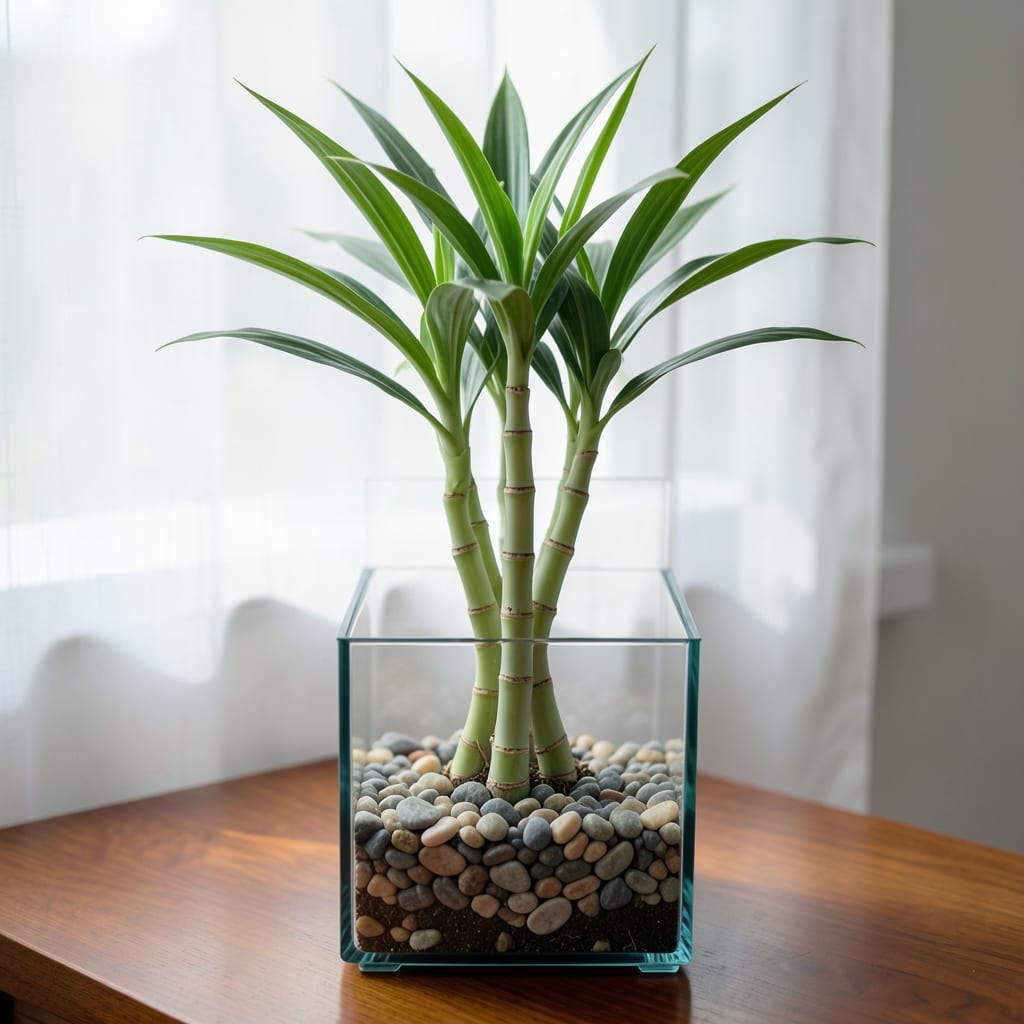
If you’ve ever wondered how tall bamboo grow in your backyard, the answer might surprise you—some varieties stretch taller than a three-story building, while others stay neatly contained. The key lies in understanding the species, from dwarf varieties that top out at just 3 feet to towering giants that reach 100 feet or more. Whether you’re dreaming of a privacy screen or a compact accent plant, choosing the right type makes all the difference.
Bamboo’s growth habits vary wildly between clumping and running types, each with its own height potential and spread tendencies. Clumpers like Fargesia murielae stay put and rarely exceed 8 feet, making them perfect for small spaces. Meanwhile, runners like Phyllostachys aureosulcata can shoot up to 50 feet in ideal conditions, demanding careful management. The right species for your zone—like USDA Zone 6a—will determine just how much skyward reach you’re in for.
What’s even more fascinating is how quickly bamboo grows once established. Some varieties add 3 feet per year, while others surge 10 feet in a single season with the right care. Sunlight, soil quality, and water all play starring roles in shaping your bamboo’s ultimate height. But don’t worry—even the fastest growers can be guided with simple techniques, like strategic pruning or root barriers, to keep them in check.
Ready to transform your space? I’ll walk you through the tallest (and shortest) bamboo species, how to pick the perfect fit for your garden, and pro tips to control their growth—no matter how ambitious they get. Let’s get started!


Bamboo growth heights by species: from dwarf to giant varieties
Bamboo’s mature height can vary dramatically—from dwarf varieties under 6 feet to giant species towering over 100 feet. The difference often comes down to whether it’s a clumping or running type, as well as its native climate. Clumpers typically stay shorter and more manageable, while runners can spread aggressively and reach impressive heights, especially in ideal conditions.
For home gardeners, choosing the right species is critical. Dwarf bamboos like Bambusa multiplex (also called Hedge Bamboo) max out at 6-10 feet, making them perfect for small yards or containers. Meanwhile, giant bamboos like Phyllostachys bambusoides (Moso Bamboo) can shoot up to 60-100 feet, rivaling trees in height and spread.
Here’s how bamboo species break down by height categories, including their growth habits and ideal climates:
| Height Category | Species Examples | Growth Habit | Mature Height | Climate Zone |
|---|---|---|---|---|
| Dwarf | Bambusa multiplex, Borinda kumaonensis | Clumper | 3–8 ft | USDA 6–10 |
| Semi-Dwarf | Fargesia robusta, Yushania niitakayamensis | Clumper | 10–20 ft | USDA 5–9 |
| Standard | Phyllostachys aureosulcata, Semiarundinaria fastuosa | Runner or Clumper | 20–40 ft | USDA 6–11 |
| Giant | Phyllostachys bambusoides, Dendrocalamus asper | Runner | 60–100+ ft | USDA 7–11 |
Clumping bamboos like Fargesia (also called Fountain Bamboo) are ideal for small spaces because they grow in tight clusters and rarely exceed 10-15 feet. Their slow-spreading roots make them easier to contain, while still offering lush foliage and privacy. In contrast, running bamboos like Phyllostachys send out long, underground rhizomes that can spread up to 10 feet per year if unchecked.
If you’re in a cooler climate (USDA zones 5-7), focus on hardy clumpers like Fargesia murielae, which tops out at 8-10 feet and thrives in partial shade. For warmer zones (8-11), running bamboos like Bambusa vulgaris (Bambos) can reach 50-65 feet with aggressive growth, making them better suited for large properties or as windbreaks.
One common misconception is that all bamboo grows to tree-like heights. In reality, 90% of bamboo species are clumpers and stay under 20 feet. Only a handful of running varieties reach the giant category, and even then, their height depends heavily on soil quality, sunlight, and water availability. For example, Phyllostachys nigra (Black Bamboo) can grow 30-40 feet tall but only in rich, moist soil with full sun.
For urban gardeners, container-grown dwarf bamboos are a game-changer. Varieties like Borinda kumaonensis (Himalayan Dwarf Bamboo) stay under 6 feet and thrive in 15-gallon pots, making them perfect for patios or balconies. Just ensure the pot has drainage holes and use a well-draining potting mix to prevent root rot.
When selecting bamboo for your garden, consider not just height but also canopy spread. Some tall but narrow bamboos, like Semiarundinaria fastuosa, grow 20-30 feet tall but only 3-5 feet wide, ideal for tight spaces. Others, like Phyllostachys edulis (Meadow Bamboo), spread 10-15 feet wide while reaching 30-50 feet tall, making them better for larger landscapes.
Always check the mature height and spread of a species before planting. A 6-foot
How fast bamboo grows: growth rates and time to reach mature height
Bamboo’s growth speed is legendary—some species can shoot up 3 feet in a single day under ideal conditions! This rapid development is why many gardeners either love or fear bamboo. Clumping bamboo typically reaches mature height in 1-3 years, while running bamboo can take 5-10 years or longer, depending on the species and growing conditions.
The key to understanding bamboo’s growth rate lies in its rhizome system. Clumpers grow in tight clusters, sending up new shoots from a single root base, which accelerates vertical growth. Running bamboo, on the other hand, spreads horizontally via underground runners, diverting energy that could otherwise fuel height. This is why Phyllostachys aureosulcata (Golden Grove) might top out at 20 feet in 3 years, while Bambusa multiplex (Dwarf Bamboo) stays under 6 feet even after a decade.
🌱 Bamboo Growth Timeline
- Year 1: 1-3 feet (focused on root establishment)
- Year 2: 5-10 feet (rapid vertical growth begins)
- Year 3-5: 10-30 feet (species-dependent peak growth)
- Year 5+: Mature height maintained (slower growth, focus on thickness)
Note: Running bamboo may take 2-3x longer to reach full height due to horizontal spread.
Seasonal growth patterns also play a crucial role. Bamboo typically experiences two major growth spurts per year: one in early spring and another in late summer. Warmth and moisture trigger these bursts, meaning bamboo in USDA Zones 7-10 grows fastest. In cooler climates, growth slows significantly, sometimes halting entirely in winter. For example, Fargesia robusta (Robust Bamboo) might only add 1-2 feet per year in Zone 6, compared to 5-10 feet per year in Zone 9.
Soil quality and water availability can accelerate or stunt growth. Well-draining, nutrient-rich soil with 60% organic matter helps bamboo reach its potential height faster. Overwatering or poor drainage, however, can lead to weak stems and stunted growth. I once had a Bambusa oldhamii (Golden Goddess) that grew 8 feet in a single season after amending its soil with compost and ensuring consistent moisture—but not waterlogging.
Light exposure also impacts growth rates. While bamboo tolerates shade, partial sun (4-6 hours daily) maximizes vertical growth. Full sun can push some species like Phyllostachys nigra (Black Bamboo) to grow 3x faster than in shady conditions. However, too much direct sun in hot climates can stress the plant, leading to slower growth or leaf scorch. Balancing sunlight, water, and soil creates the perfect recipe for healthy, rapid height development.
One common misconception is that all bamboo grows at the same pace. In reality, dwarf varieties like Bambusa multiplex may take decades to reach their 6-foot maximum, while giants like Dendrocalamus asper (Giant Bamboo) can add 10+ feet annually in tropical climates. Understanding your bamboo’s growth type and climate needs is the first step to predicting—and managing—its height trajectory.