
How To
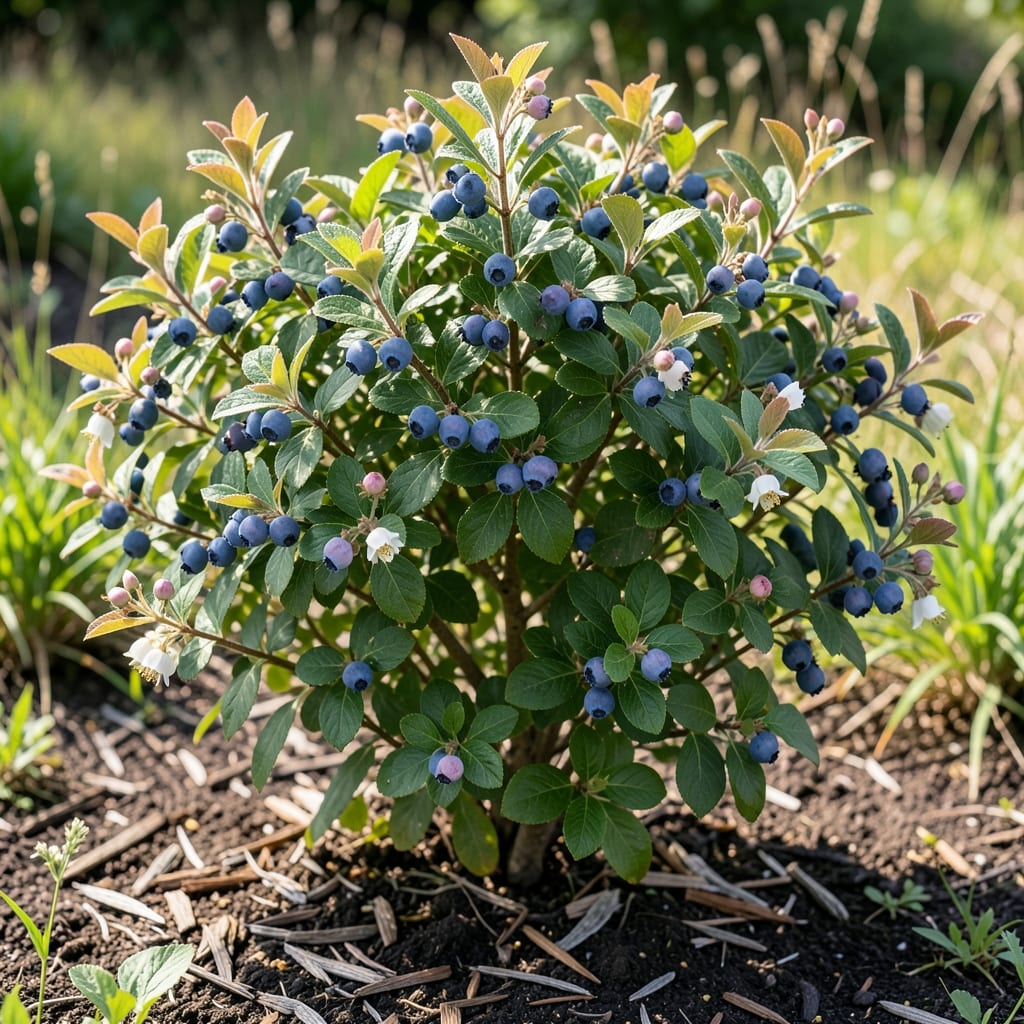
If you’ve ever wondered how tall blueberry bushes grow, you’re not alone—many gardeners picture these 🫐 shrubs as towering giants, only to be surprised by how quickly (or slowly) they reach their full potential.
The truth is, blueberry bush height varies wildly depending on the variety, and choosing the right one can mean the difference between a compact, easy-to-manage plant and one that needs a ladder for harvesting. Whether you’re working with a dwarf variety (just 3 feet tall) or a standard bush that can stretch to 12 feet**, understanding their growth patterns helps you plan your garden layout and care routine.
In this guide, I’ll break down exactly how blueberry bushes grow year by year, including the key factors that influence their height—like sunlight, soil, and pruning. You’ll also discover when these shrubs stop growing taller and how to encourage bushier, more productive growth for a bountiful harvest.
Ready to turn your blueberry patch into a thriving, manageable space? Let’s dive into the details so you can enjoy those sweet, juicy berries without the frustration of dealing with an unruly giant.


Blueberry bush height growth by year: variety-specific year-by-year chart
Blueberry bushes don’t grow at the same rate—some varieties reach their mature height in just 3 years, while others take 7+ years to fully develop. The key difference lies in their genetic classification: dwarf, semi-dwarf, or standard. For example, ‘Top Hat’ (a dwarf variety) stays under 3 feet, while ‘Duke’ (a standard) can tower to 12 feet. Your choice of variety directly impacts your garden’s layout, harvest accessibility, and long-term maintenance.
Climate also plays a role—blueberries in warmer USDA Zones (7-9) grow faster than those in cooler Zones (4-6), thanks to longer growing seasons. Even within the same variety, a southern garden might see a 2-foot taller bush by year 5 compared to a northern one. Understanding these patterns helps you set realistic expectations and plan pruning strategies early.
| Variety | Year 1 Height | Year 3 Height | Mature Height | Notes |
|---|---|---|---|---|
| Dwarf (e.g., 'Top Hat') | 1–2 ft | 2–3 ft | 2–4 ft | Ideal for containers, small gardens |
| Semi-Dwarf (e.g., 'Bluecrop') | 1.5–2.5 ft | 4–5 ft | 4–6 ft | Balanced height for home gardens |
| Standard (e.g., 'Duke', 'Rabbiteye') | 2–3 ft | 6–8 ft | 8–12 ft | Requires trellising or wide spacing |
| Southern Highbush (e.g., 'Southern Blue') | 1–2 ft | 5–6 ft | 6–8 ft | Heat-tolerant, faster growth in warm climates |
Let’s break down the growth stages for each type. In year 1, all blueberry bushes focus on establishing roots, so height gains are minimal—typically just 1–3 feet. However, by year 3, you’ll see dramatic differences: dwarf varieties plateau around 3 feet, while standard types surge to 6+ feet. This is when proper pruning techniques become critical to manage height and encourage fruit production.
For standard varieties, the first 5 years are all about vertical growth. If you plant a ‘Duke’ bush, expect it to add 2–3 feet per year until it hits its 10–12 foot mature height. Meanwhile, dwarf varieties like ‘Top Hat’ grow just 6–12 inches per year and rarely exceed 3 feet. This makes them perfect for container gardening or small urban yards.
One common misconception is that taller bushes always produce more berries. In reality, bushier growth (not height) correlates with higher yields. For example, a 6-foot ‘Bluecrop’ bush can produce 2–3 gallons of berries annually, while a 12-foot ‘Duke’ might yield only 50% more due to overcrowded canes. This is why pruning for width is just as important as managing height.
If you’re planting multiple bushes, spacing matters. Dwarf varieties need 3–4 feet between plants, while standard types require 8–10 feet to prevent competition. Overcrowding stunts growth and reduces fruit quality, so plan your layout based on the mature height of your chosen varieties. For instance, a ‘Rabbiteye’ bush (which can reach 12 feet) needs ample space to avoid shading out neighboring plants.
Another factor to watch is climate zone impact. In USDA Zone 7, a ‘Bluecrop’ bush might reach 5 feet by year 3, while the same variety in Zone 5 could take 5 years to hit that height. Cooler climates slow growth
Factors that speed up or slow down blueberry bush height growth
Blueberry bushes don’t grow at the same rate for every gardener—some shoot up quickly while others struggle to gain height. The biggest difference-maker is sunlight exposure. These shrubs thrive with 6+ hours of direct sun daily, but even partial shade can slow growth by 30-50%. If your bushes seem stunted, check their location first—moving them to a sunnier spot can trigger a growth spurt within weeks.
Another critical factor is soil pH. Blueberries are acid-loving plants, requiring a pH between 4.5-5.5. If your soil is too alkaline, roots struggle to absorb nutrients, leading to slower height growth. Test your soil annually and amend with peat moss or sulfur if needed—this simple adjustment can double your bushes’ growth rate in just one season.
🌱 Watering techniques also play a surprising role. While blueberries need consistent moisture, overwatering or irregular watering creates stress that stunts vertical growth. Aim for deep watering 2-3 times per week (daily in extreme heat) to keep roots healthy. A drip irrigation system delivers water efficiently without the risk of fungal diseases that can slow growth.
Growth Boosters vs. Growth Inhibitors
- Full sun (6+ hours daily)
- Acidic soil (pH 4.5-5.5)
- Deep watering (1-2 gallons/week)
- Balanced fertilizer (10-10-10 NPK)
- Regular pruning (removes dead wood)
- Partial shade (slows growth by 50%)
- Alkaline soil (pH > 6.0)
- Inconsistent watering (stresses roots)
- Over-fertilizing (burns roots)
- No pruning (leads to leggy growth)
Pruning practices are often overlooked but critical for managing height. Annual pruning in late winter or early spring removes dead wood and encourages bushier, more compact growth. If you skip pruning, your bushes may grow 2-3 feet taller than necessary while producing fewer berries. Focus on cutting back 1/3 of the oldest canes each year to redirect energy toward horizontal growth and fruit production.
Finally, fertilization choices impact height growth dramatically. Organic fertilizers like compost or fish emulsion release nutrients slowly, promoting steady growth, while synthetic fertilizers can cause rapid (but often unbalanced) height spikes. For best results, use a slow-release, acidic fertilizer in early spring and mid-summer, avoiding heavy applications in fall or winter when growth naturally slows.
💡 By addressing these factors, you can control your blueberry bushes’ height progression—whether you want them to stay compact for containers or reach their full potential for maximum harvests. Small adjustments in care can make a huge difference in both growth rate and fruit yield!