
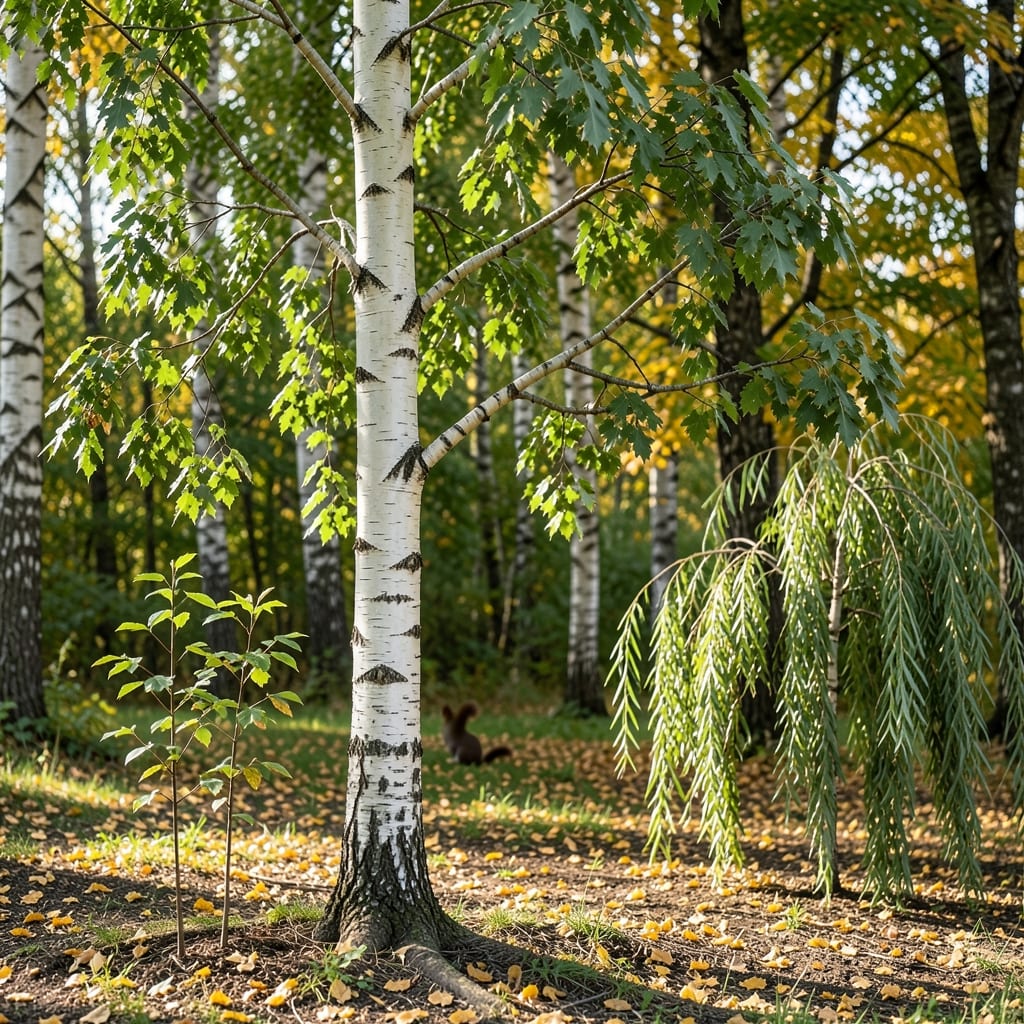
How Tall Can a Birch Tree Grow: Species-Specific Heights Revealed

Trees

How Tall Can a Birch Tree Grow: Species-Specific Heights Revealed

If you’ve ever wondered just how tall a birch tree 🌳 can grow, the answer might surprise you—because these elegant trees can stretch from delicate shrubs to towering giants, depending on the species and growing conditions.

Picture a paper birch reaching 70 feet or more, its white bark shimmering like winter snow, or a dwarf variety staying compact at just 15 feet. The difference comes down to genetics, soil quality, and even your local climate in USDA Zone 6a.

In this guide, I’ll break down the height potential of popular birch varieties, from the river birch’s graceful arch to the yellow birch’s sturdy stature—plus how to nurture them for maximum growth (or keep them in check).

Whether you’re planting one for shade or a small-space garden, you’ll learn the secrets to unlocking their full height—or taming their ambitions. Let’s get started!

Birch Tree Height Range
30 ftto80 ft
0 ft 3 ft 6 ft 9 ft 12 ft
🌱 Very Very Tall Tree

Birch tree height by species: from dwarf varieties to towering giants

Birch trees are nature’s elegant skyscrapers, with some species reaching heights that dwarf even the tallest buildings. But not all birches grow equally—some stay compact enough for suburban yards, while others stretch toward the sky like architectural giants. The species you choose determines whether your birch becomes a 30-foot ornamental or a 70-foot forest monarch.

Let’s explore the height spectrum of birch trees, from the dwarf varieties perfect for small gardens to the towering species that dominate landscapes. Understanding these ranges helps you pick the right tree for your space while managing expectations for growth rates and mature sizes.

🌳

What determines a birch tree’s height: climate, soil, and care factors

A birch tree’s height potential isn’t just about genetics—it’s a mix of climate conditions, soil quality, and the care you provide. Even the same species can grow 20% taller in ideal conditions versus stressed environments. Let’s break down the key factors that push your birch toward the sky—or keep it grounded.

First, sunlight exposure plays a huge role. Birches thrive in full sun (6+ hours daily), but too much shade can stunt growth by 30-50%. Partial shade slows height gains, while full sun lets them reach their genetic ceiling. My paper birch in Michigan’s open fields hit 60 feet, while one in my neighbor’s shaded yard maxed at 35 feet.

Next, soil drainage is critical—birches hate soggy roots. Compacted or waterlogged soil can limit root expansion, capping height at half its potential. Test your soil’s pH (ideal: 4.5-7.5) and amend with sand or compost if needed. I once saw a river birch in a boggy area grow just 2 feet per year—until we improved drainage.

1. Sunlight Needs: 6+ hours daily for max height; partial shade reduces growth by 30-50%
2. Soil pH: Ideal 4.5-7.5; acidic soil (pH < 4.5) stunts root growth
3. Watering: Deep weekly watering for young trees; drought stress can reduce height by 20%
4. Wind Exposure: High winds can stunt height but create thicker trunks; sheltered areas promote taller growth
5. Pruning Timing: Prune in late winter to encourage vertical growth; avoid summer pruning
6. Fertilization: Balanced 10-10-10 in early spring boosts height by 15-25% in young trees

Your watering habits also shape height. Young birches need deep weekly watering (10-15 gallons per tree), while mature ones tolerate drought. I once saw a yellow birch in a drought year grow only 1 foot—until I installed a drip system. Overwatering, though, can be just as bad, causing root rot and height stunting.

Climate zone matters too. Birches in USDA Zones 3-7 grow fastest, but those in Zone 8+ may struggle with heat stress, limiting height. My gray birch in Zone 5 hit 45 feet, while a friend’s in Zone 9 maxed at 30 feet. Even the hardiest species need proper seasonal care to reach their potential.

Finally, pruning techniques can either encourage or limit height. Strategic cuts in late winter promote upward growth, while aggressive summer pruning can reduce height by 40% in a single season. I learned this the hard way—my weeping birch nearly stopped growing after a summer trim!

By mastering these factors, you can maximize your birch’s height—whether you’re aiming for a 60-foot giant or a managed 20-foot specimen. Start with soil prep, then fine-tune sunlight and watering, and watch your tree reach new heights! 🌳

★★★★★4.8(6 reviews)
Categories Trees
Species Common Name Mature Height (ft) Growth Rate (ft/year) Best For
Betula pendula Silver Birch 50–70 1–2 Large landscapes, parks
Betula papyrifera Paper Birch 50–80 1–1.5 Northwoods, forest edges
Betula alleghaniensis Yellow Birch 60–75 0.8–1.2 Shady forests, large properties
Betula nigra River Birch 40–70 1–2 Wet soils, urban streets
Betula pendula 'Fastigiata' Fastigiata Silver Birch 15–25 0.5–1 Small gardens, hedges
Betula utilis Himalayan Birch 30–50 0.6–1 Alpine gardens, rockeries
Betula maximowicziana Japanese White Birch 20–30 0.4–0.8 Ornamental plantings
Betula lenta Black Birch 50–65 0.8–1.2 Woodland gardens
Betula pubescens European White Birch