
Size
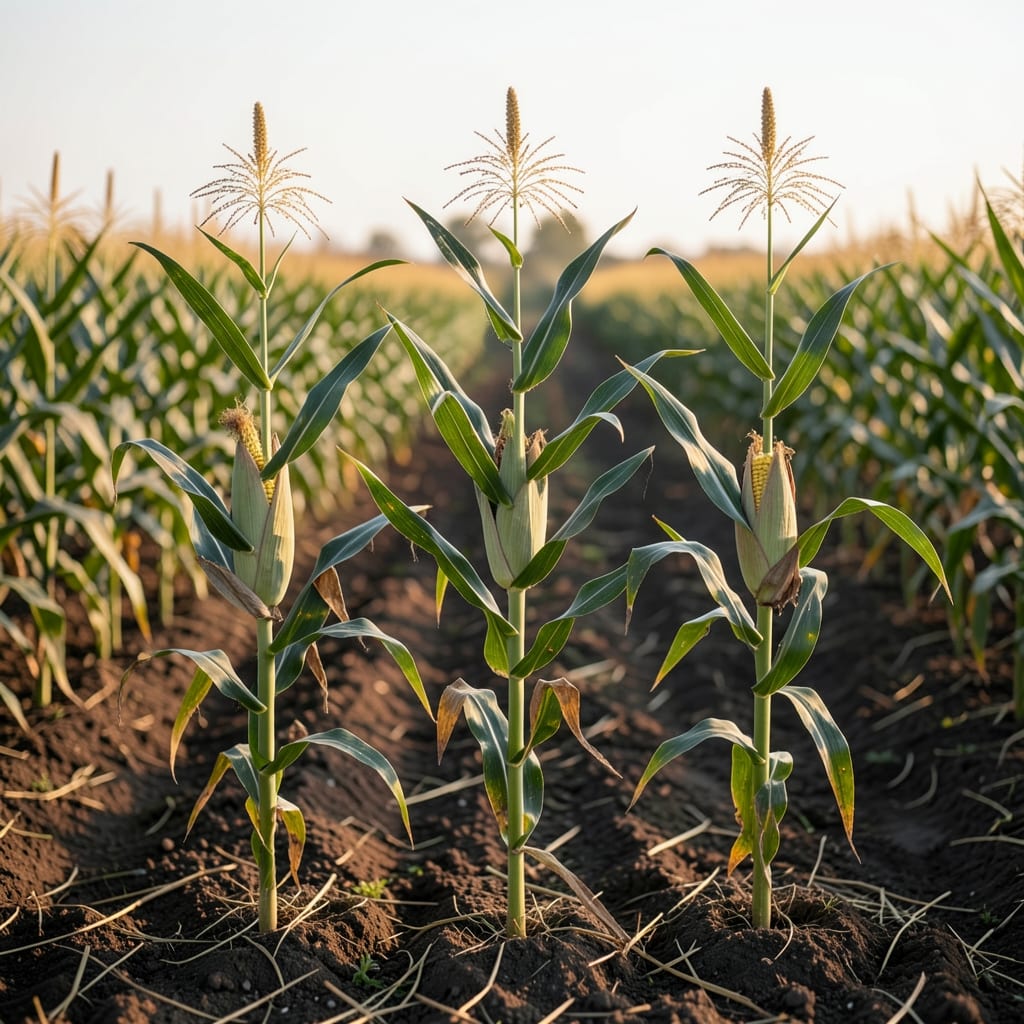
Ever wondered how tall a corn plant can grow—and why some varieties stretch toward the sky while others stay short and stout? The answer lies in the variety you choose and how you grow it, because corn height isn’t one-size-fits-all. Some towering stalks can reach over 12 feet, while compact varieties stay under 5 feet, making them perfect for small gardens or containers.
If you’ve ever planted corn in Zone 6a and felt frustrated by stunted growth, you’re not alone. The right conditions—like sunlight, soil quality, and spacing—can turn a 5-foot plant into a 10-foot giant. Whether you’re dreaming of a backyard cornfield or just want a few ears for summer meals, understanding these factors is the key to success.
In this guide, I’ll break down the height ranges of popular corn varieties, from dwarf types ideal for containers to sky-high stalks that need plenty of space. You’ll also learn how to optimize growth for taller plants or keep them compact, so you can get the perfect harvest every time—no matter your garden size.
Ready to grow corn that matches your space and goals? Let’s dive into the secrets of how to maximize height and thrive in your own backyard.


Corn plant height by variety: from dwarf to sky-scratching giants
Corn height isn’t one-size-fits-all—it ranges from 3-foot dwarf varieties perfect for containers to 12-foot field corn that towers over your garden fence. The difference? Genetics, growing conditions, and even your soil’s fertility. Let’s break down the height spectrum so you can choose the right variety for your space and goals.
Most backyard gardeners grow standard sweet corn varieties like 'Silver Queen' or 'Peaches and Cream,' which typically reach 6–9 feet tall. These medium-height plants strike a balance between yield and manageability, making them ideal for raised beds or small plots. But if you’re dreaming of cornfield-style heights, varieties like 'Country Gentleman' or 'Kandy Korn' can stretch up to 10–12 feet—though they’ll need extra space and support.
Dwarf corn varieties, on the other hand, are the unsung heroes of container gardening and urban plots. Varieties like 'Little and Lovely' or 'Golden Bantam' max out at 3–5 feet, making them perfect for balconies, small pots, or even hanging baskets. Their compact size doesn’t mean sacrificing flavor—in fact, many dwarf varieties are prized for their sweetness and tenderness.
Here’s the key takeaway: Height directly impacts yield, space needs, and even pollination success. Taller corn requires more nitrogen, wider spacing, and stronger stakes to prevent lodging (falling over). Meanwhile, dwarf varieties thrive in crowded conditions and can even be grown in succession plantings for continuous harvests.
If you’re growing corn for fresh eating, medium varieties like 'Ambrosia' or 'Bodacious' are excellent choices—they produce plump, sweet ears while staying manageable in height. For ornamental purposes, giant varieties add dramatic vertical interest to garden borders or can be used as natural trellises for climbing plants.
One variety often overlooked is popcorn corn, which typically reaches 5–8 feet tall. While not as tall as field corn, it still needs ample space to develop fully. Varieties like 'Glass Gem' (a colorful heirloom) or 'Strawberry Popcorn' are great for both culinary use and garden aesthetics.
For commercial or large-scale growing, field corn varieties dominate with heights of 10–12 feet. These aren’t typically grown in home gardens due to their size and lower sweetness, but they’re essential for livestock feed, ethanol production, and silage. If you’re curious, varieties like 'Pioneer Brand 33B11' or 'DeKalb DKC 64-20' are common choices for farmers.
Choosing the right height isn’t just about space—it’s also about pollination success. Corn is wind-pollinated, so taller plants may need cross-pollination from nearby varieties to ensure good ear development. In small gardens, consider planting multiple rows of the same variety or using hand-pollination techniques if you’re growing dwarf corn.
What determines how tall your corn will grow?
You’ve picked your corn variety—now comes the fun part: watching it grow. But here’s the thing: genetics only set the stage. Your corn’s final height depends on a mix of environmental factors you control, like sunlight, water, and soil. Think of it like this: a 10-foot field corn planted in a shady corner might only reach 6 feet, while a 5-foot dwarf variety in full sun with rich soil could surprise you by stretching to 6 feet.
The #1 factor is sunlight. Corn is a sun-worshipper, craving 6–8+ hours of direct light daily. Without enough sun, plants grow leggy, weak, and stunted. In USDA Zone 6a, where frost dates matter, planting too early (before April 15) can also stunt growth—cool soil slows root development, limiting height potential. Even in ideal zones, partial shade can reduce height by 20–30%.
Next up: water and nutrients. Corn is a heavy drinker, needing 1–2 inches of water weekly during its growing season (especially from June to August). Too little water? Your corn will bolt (send up tall, skinny stalks with few ears). Too much? Root rot sets in, weakening the plant’s structure. Nitrogen is the star nutrient here—it fuels leafy growth and stalk strength. A soil test before planting can reveal if your garden is nitrogen-deficient, which could leave your corn short and scraggly.
Spacing plays a sneaky role too. Corn needs room to compete for sunlight and nutrients. Plant dwarf varieties 12–18 inches apart, but giant field corn? Give them 36–48 inches of space. Crowding stresses plants, diverting energy from height growth to survival. Even in raised beds, overplanting can lead to lodging (stalks flopping over), which stunts both height and yield.
- 🌞 Sunlight: 6–8+ hours daily = full height potential; less than 6 hours = stunted growth by 30%
- 💧 Water: 1–2 inches weekly during growing season; drought stress causes bolting (tall but barren stalks)
- 🌱 Soil Nutrients: High nitrogen = taller stalks; deficient soil = weak, short plants
- 📏 Spacing: Too close = competition for light/nutrients = stunted growth; too far = wasted space
- ✂️ Pruning: Remove lower leaves to improve airflow; avoid topping (cutting the tassel) unless controlling height
Temperature also sneaks into the equation. Corn thrives in warm soil (60°F+) and air temperatures between 70–85°F. Planting too early in Zone 6a (before last frost) can delay growth, while sudden heatwaves can cause tassel blasting (premature pollen release), reducing ear development. Even nighttime temps below 50°F can stunt growth.
If your corn is growing too slowly, check these common culprits: poor soil drainage (roots suffocate), pests like corn rootworms (chew roots), or disease pressure (e.g., fusarium wilt). A quick fix? Amend soil with compost, use row covers for pests, and rotate crops yearly to prevent disease buildup. For extra height, side-dress with nitrogen-rich fertilizer (like blood meal) when plants reach knee height.
Remember: height isn’t the only goal. A 6-foot dwarf corn with plump ears is more valuable than a 10-foot giant with half-formed silks. Balance your care between supporting vertical growth and ensuring strong ear development. With the right mix of sun, water, and nutrients, your corn will reach its full potential—whether that’s a backyard skyscraper or a container-friendly compact.