
Trees
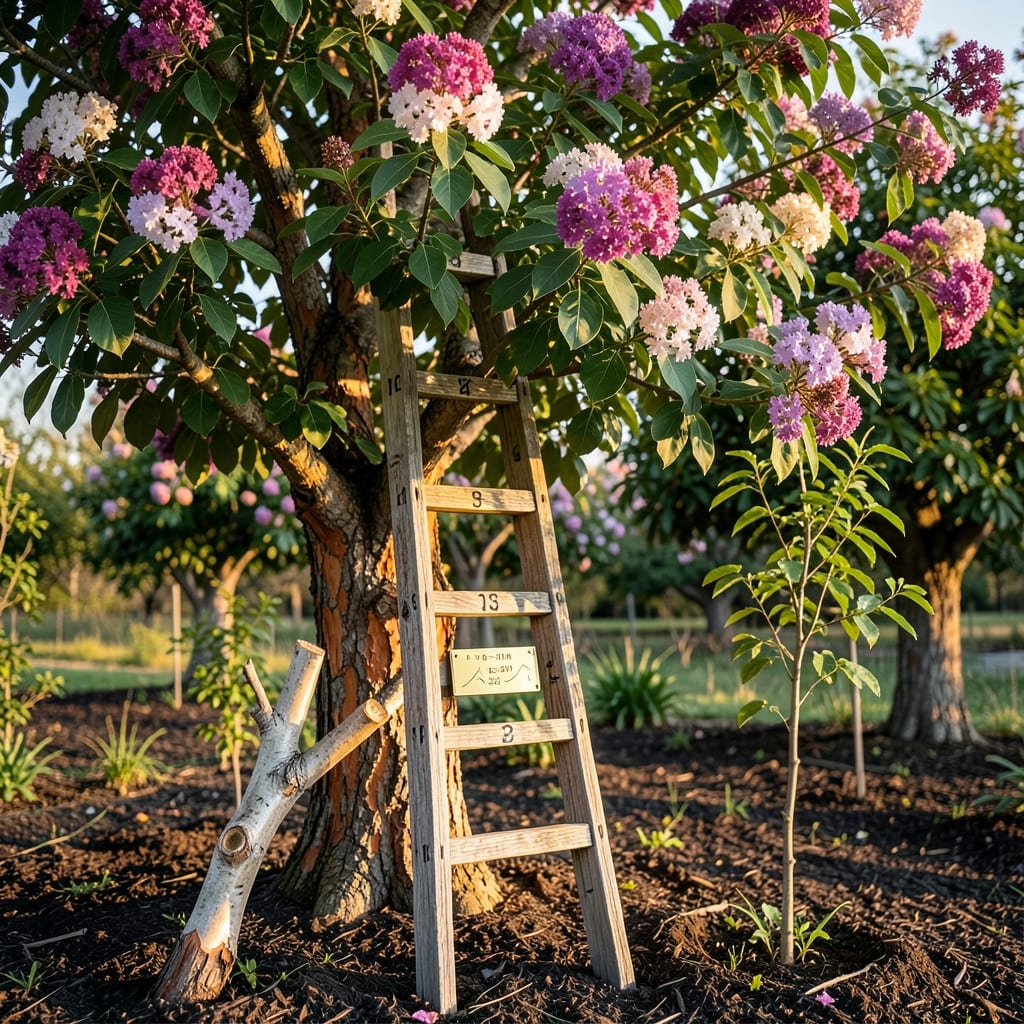
If you're wondering how tall can a crepe myrtle tree grow, the answer might surprise you—these stunning 🌳 beauties can range from compact shrubs to towering giants, depending on the variety you choose. What starts as a modest sapling in spring could become a 30-foot statement piece or stay neatly contained at just 6 feet, making the right selection absolutely critical for your landscape.
Picture this: a dwarf crepe myrtle adding charm to a small patio, while a standard variety creates a dramatic focal point in a large backyard. The key difference lies in the cultivar—some are bred to stay petite, while others grow aggressively if left unchecked. Whether you're working with limited space or dreaming of a grand specimen, understanding these variations will help you make a confident choice.
But here's the catch: even the smallest crepe myrtle can outgrow its welcome if planted too close to structures or power lines. That's why spacing recommendations matter just as much as the variety itself. We'll cover exactly how much room these trees need to thrive—and how to control their growth through smart pruning techniques.
Ready to transform your outdoor space with the perfect crepe myrtle? Let's explore the height ranges, growth habits, and pro tips that will help you select—and maintain—the ideal tree for your home. Your landscape deserves a showstopper that fits perfectly!

Crepe myrtle height ranges by variety: from dwarf to 30-Foot giants
Crepe myrtles are famous for their dramatic height variations, with some varieties staying as short as 6 feet while others soar to 30 feet. The key to choosing the right one lies in understanding these cultivar-specific growth patterns. Whether you're designing a small urban yard or a sprawling rural landscape, selecting the correct height will ensure your tree thrives without becoming a nuisance.
For example, the 'Tonto' crepe myrtle is a popular dwarf variety that tops out at 6–8 feet, making it perfect for patios or foundation plantings. Meanwhile, the 'Natchez' variety can reach 25–30 feet, creating a grand focal point for large properties. These differences aren't just about aesthetics—they also impact pruning needs, spacing requirements, and even root competition with nearby plants.
Here’s the critical insight: height isn’t the only factor. Spread also varies—some varieties grow wider than they do tall, while others maintain a more upright form. This balance is essential when planning your landscape layout to avoid overcrowding or shading out other plants prematurely.
Let’s break down the most popular crepe myrtle varieties by their mature heights, so you can visualize which size will work best for your space. This comparison will help you avoid common mistakes, like planting a 30-foot tree too close to your house or driveway.
| Variety | Mature Height (ft) | Spread (ft) | Best For | Height Comparison |
|---|---|---|---|---|
| 'Tonto' | 6–8 | 4–6 | Patios, small yards | Basketball hoop |
| 'Arapaho' | 10–12 | 8–10 | Medium yards, privacy screens | Two-story window |
| 'Natchez' | 25–30 | 15–20 | Large landscapes, focal points | Two-story house |
| 'Muskogee' | 15–20 | 10–15 | Street trees, medium yards | Garage door height |
| 'Catawba' | 20–25 | 12–15 | Large yards, shade trees | Small oak tree |
🌳 Pro Tip: Always check the spread when selecting a variety—some trees grow wider than they do tall!
If you're still unsure which size to choose, consider your yard’s dimensions and the intended purpose of the tree. For example, a 10-foot crepe myrtle like 'Arapaho' is ideal for creating a privacy screen along a fence line, while a 30-foot variety like 'Natchez' will dominate as a statement tree in a park-like setting.
One common mistake I see is planting a large variety too close to structures or power lines. Always leave at least 10–15 feet of clearance around mature trees to avoid future pruning headaches or safety hazards. This spacing also allows for proper airflow, reducing the risk of diseases like crepe myrtle bark disease, which thrives in overcrowded or poorly ventilated conditions.
For urban gardeners with limited space, consider container-grown crepe myrtles. Dwarf varieties like 'Tonto' can thrive in large pots, making them perfect for balconies, courtyards, or even as specimen plants on decks. Just ensure the container is at least 18 inches wide and has drainage holes to prevent root rot.
Finally, remember that even dwarf varieties can grow taller if given ideal conditions—like full
Crepe myrtle height ranges by variety: from dwarf to 30-Foot giants
Crepe myrtles are famous for their dramatic height variations, with some staying small enough for containers while others become towering landscape anchors. The key to choosing the right size lies in understanding the cultivar-specific growth habits. For example, the 'Tonto' variety tops out at just 6-8 feet, perfect for small yards, while 'Natchez' can soar to 30 feet—ideal for large estates or street plantings.
If you're visualizing your space, think of a dwarf crepe myrtle as a 6-foot-tall shrub (like a basketball hoop) and a standard variety as reaching the height of a two-story house. This range makes them incredibly versatile, but selecting the wrong type could lead to overcrowding or maintenance headaches.
Here’s how the most popular varieties compare in mature height:
| Variety | Mature Height | Best For | Growth Rate |
|---|---|---|---|
| 'Tonto' | 6–8 ft | Containers, small yards | Slow to moderate |
| 'Arapaho' | 10–12 ft | Medium spaces, privacy screens | Moderate |
| 'Natchez' | 20–30 ft | Large yards, street trees | Fast |
| 'Catawba' | 15–20 ft | Medium to large spaces | Moderate |
| 'Muskogee' | 12–15 ft | Urban landscapes, patios | Moderate |
Pro tip: Dwarf varieties like 'Tonto' are perfect for container gardening or urban patios, while standard types need ample space to avoid root competition with nearby plants. Always check the mature height label when shopping, as nurseries often sell trees based on their current size—not their future growth potential.
One common mistake I see is planting a 20-foot crepe myrtle too close to a house or power line. Always leave at least 10–15 feet of clearance for larger varieties to prevent future pruning nightmares. If you're unsure, opt for a semi-dwarf like 'Arapaho'—it offers height without the space demands of giants.
Now that you know the height ranges, the next step is matching your crepe myrtle to your space. Need help picking the perfect fit? Let’s dive into spacing guidelines and pruning tips to keep your tree thriving at the ideal size for your yard. 🌳