
Trees
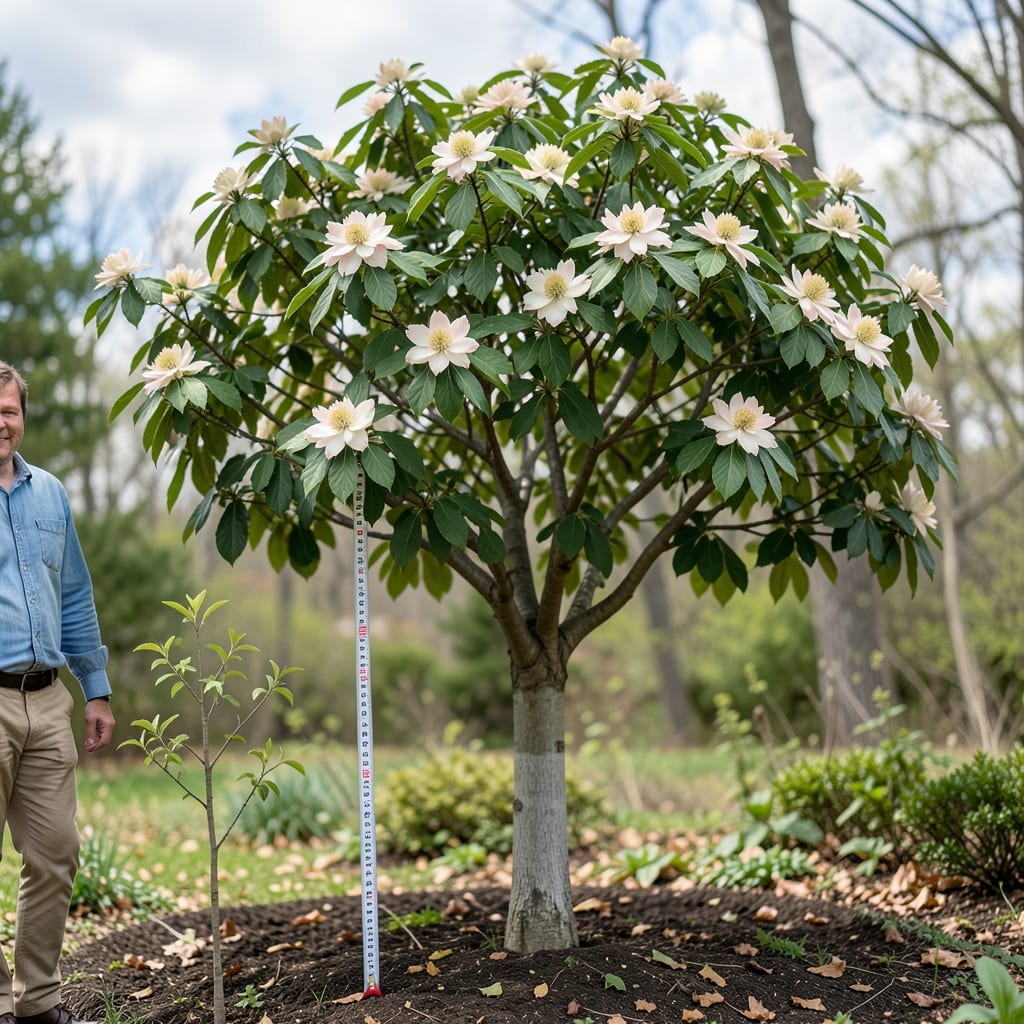
Wondering how tall can a dogwood tree grow before it outgrows your yard? The answer might surprise you—some varieties stay as small as 8 feet, while others stretch toward 30 feet like a natural skyscraper. That’s the beauty of dogwoods: they offer something for every space, from cozy patios to sprawling backyards.
If you’re envisioning a 🌳 Dogwood Tree as your next landscape star, size matters more than you think. A Cornus florida might top out at 20-25 feet, while Cornus kousa leans toward 15-20 feet—but dwarf varieties keep things manageable. The right choice depends on your goals: shade, blooms, or a statement piece.
Here’s the key: dogwood height isn’t just about genetics. Soil, sunlight, and even your pruning habits play a role. I’ll break down how to pick the perfect variety for your space—and how to nurture it to reach (or stay within) its ideal height. Let’s get started!
Whether you’re working with a small urban garden or a rural acreage, knowing these details ensures your dogwood thrives without stealing the show from your entire landscape. Ready to make the right choice?

Dogwood tree height comparison: small vs. large native varieties
Choosing a dogwood tree often comes down to one critical question: how tall can a dogwood tree grow in your space? The answer varies wildly—from 8-foot dwarf varieties perfect for small patios to 30-foot giants that dominate woodland edges. Understanding these differences helps you pick a tree that fits your landscape without becoming an eyesore or a maintenance nightmare.
Native dogwoods like Cornus florida (flowering dogwood) and Cornus kousa (Kousa dogwood) offer stunning blooms and seasonal interest, but their mature sizes can differ by 15 feet or more. For example, the Cornus florida 'Cherokee Brave' stays under 15 feet, while the Cornus florida 'Rubra' can reach 25 feet. These distinctions matter when planning for shade, privacy, or simply avoiding power lines.
Here’s the key: dogwood height isn’t just about the species. Pruning, sunlight, and soil quality play huge roles in whether a tree hits its maximum potential height or stays more manageable. Let’s compare the most popular varieties so you can visualize their mature sizes and choose wisely.
| Variety | Mature Height | Spread | Growth Rate | Best For |
|---|---|---|---|---|
| Cornus florida 'Cherokee Brave' | 12-15 ft | 10-12 ft | Moderate | Small yards, patios |
| Cornus kousa 'Milky Way' | 15-20 ft | 12-15 ft | Slow to moderate | Medium gardens, shade trees |
| Cornus florida 'Rubra' | 20-25 ft | 15-20 ft | Moderate | Large properties, woodland edges |
| Cornus florida 'Aurora' | 8-12 ft | 8-10 ft | Slow | Dwarf varieties, containers |
| Cornus kousa 'Satomi' | 20-30 ft | 15-20 ft | Moderate | Statement trees, large landscapes |
🌳 Visual Reference: A 20-foot dogwood is roughly the height of a two-story house.
If you’re working with limited space, dwarf dogwoods like 'Aurora' or 'Cherokee Brave' are game-changers. These varieties top out at 12 feet, making them ideal for urban gardens, patio plantings, or even large containers. Their compact size doesn’t mean sacrificing beauty—many still produce vibrant spring blooms and seasonal foliage.
On the other end of the spectrum, standard dogwoods like 'Rubra' or 'Satomi' thrive in spacious backyards or woodland settings. These trees create dramatic focal points, offering year-round interest with their showy flowers, fall color, and winter bark texture. Just be prepared for their wide canopies—some spread 20 feet or more!
Pro tip: Always check the mature spread of a dogwood variety, not just its height. A tree that’s 15 feet tall but 25 feet wide will dominate a small yard far more than you’d expect. Measure your
How growth habits and soil conditions affect dogwood tree height
Did you know your dogwood’s final height isn’t set in stone? While genetics play a role, soil quality, sunlight exposure, and even pruning practices can shift a tree’s growth trajectory by 30% or more. For example, a Cornus florida in rich, moist soil might reach 25 feet, while the same variety in poor, rocky soil could max out at 18 feet. The right conditions can turn a large dogwood into a compact statement piece.
Let’s start with sunlight. Dogwoods thrive in partial shade—think 4-6 hours of dappled sun daily. Too much direct sunlight (especially in hot climates) can stress the tree, stunting growth or causing leaf scorch. In contrast, shady spots may slow height gains but preserve the tree’s health and vibrant blooms. If your yard has morning sun and afternoon shade, you’re in the sweet spot for balanced growth.
Now, let’s talk soil. Dogwoods prefer well-draining, acidic soil (pH 5.0-6.0). Heavy clay or alkaline soil can limit root development, directly capping height potential. Amend your soil with compost or peat moss to improve drainage and nutrient availability. A quick soil test ($20 at garden centers) can reveal if your yard is holding the tree back—fixing pH issues early can add 5+ feet to a dogwood’s mature height.
🌱 How to Control Dogwood Height
- ✂️ Prune strategically: Cut back 1/3 of new growth in late winter to encourage bushier, shorter growth. Avoid topping—it weakens the tree.
- 💧 Water deeply: 15-20 gallons weekly during dry spells keeps roots strong, supporting natural height. Shallow watering = stunted growth.
- 🌡️ Monitor climate: Dogwoods in USDA Zones 5-8 grow faster in humid climates (e.g., Southeast) vs. dry areas (e.g., Southwest). Adjust care accordingly.
- 🪴 Fertilize lightly: Over-fertilizing spikes height but weakens wood. Use balanced 10-10-10 in early spring only—no summer feeds!
One common mistake? Over-pruning to control height. While pruning can reduce height by 2-3 feet per year, aggressive cuts trigger suckering (multiple weak stems) and stress the tree. Instead, focus on selective pruning: remove water sprouts and crossing branches to maintain shape without sacrificing structural integrity. Think of it like shaping a topiary—patience and precision win.
For urban gardeners with limited space, consider container-growing dwarf varieties like ‘Rutledge’ (12-15 ft) or ‘Cherokee Brave’ (10-12 ft). These thrive in large pots (20+ gallons) with well-draining mix and regular pruning. Just remember: even dwarf dogwoods need 5+ feet of clearance for roots—don’t crowd them!
If your goal is a taller dogwood, prioritize moisture-rich soil, partial shade, and minimal pruning for the first 5 years. With the right conditions, a Cornus kousa can hit 20 feet in 7-10 years—double the pace of a stressed tree. The key? Observe and adapt: adjust care based on your tree’s response each season.