
How To
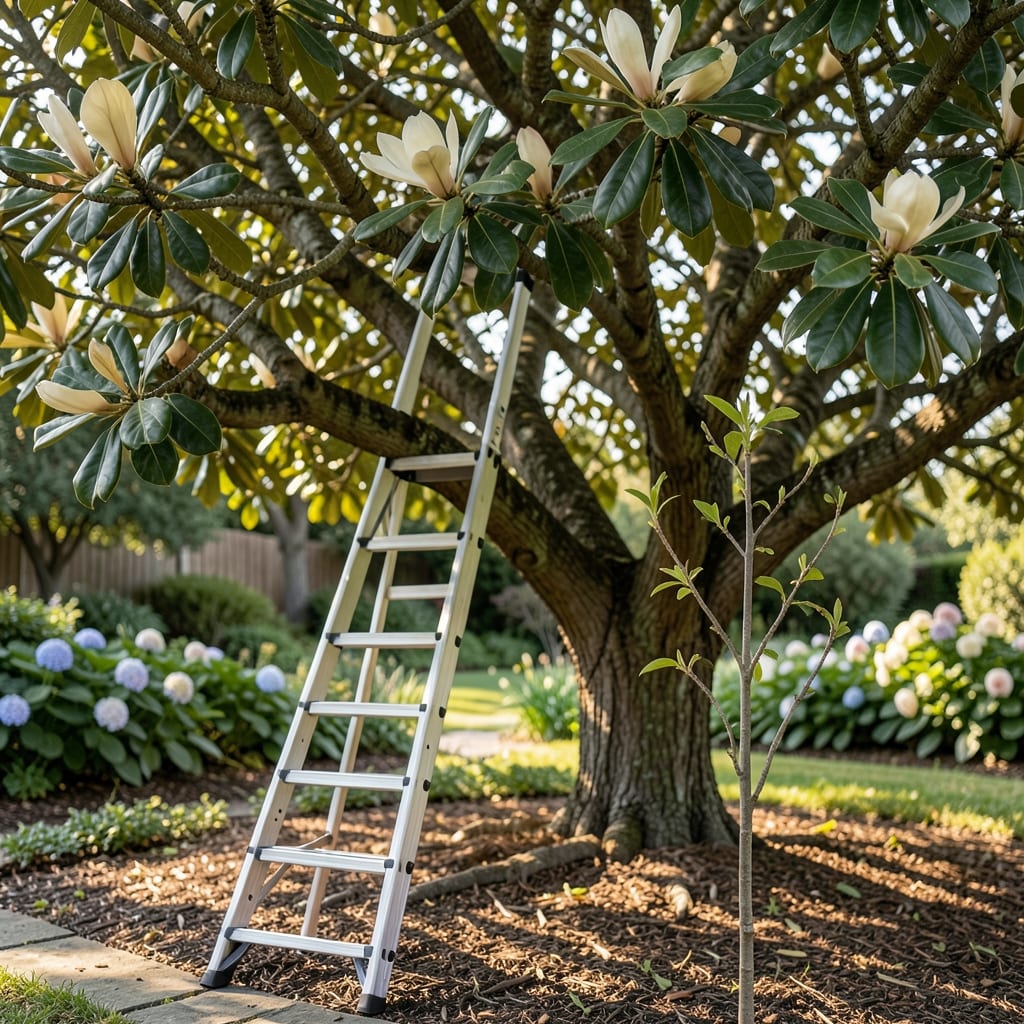
If you’ve ever wondered how tall can a magnolia tree grow, the answer might surprise you—these majestic trees can stretch from tiny backyard shrubs to towering giants that dwarf your home. The 🌸 magnolia tree you plant could end up as a delicate 10-foot specimen or a 120-foot colossus, depending on the species and care it receives.
Not all magnolias reach for the sky, though. Some varieties, like the dwarf 'Teddy Bear,' stay compact and perfect for small gardens, while others, like the Southern Magnolia, grow into stately giants that dominate landscapes. Understanding these differences is key to choosing the right tree for your space—and avoiding regrets later.
But size isn’t just about aesthetics. The height of your magnolia affects everything from sunlight exposure to pruning needs, even how you design your garden around it. Whether you’re dreaming of a fragrant canopy or a manageable shrub, knowing the growth potential helps you plan for success.
Ready to discover which magnolias stay small and which reach for the clouds? I’ll break down the species, growth tips, and how to keep your tree at the perfect height for your yard. Let’s get started!

Magnolia tree height by species: from dwarf varieties to towering giants
Magnolias are nature’s grand statement plants, but their mature size can vary dramatically depending on the species. If you’re planning your garden layout, knowing these height ranges will help you choose the perfect variety for your space. Some magnolias stay small enough for a backyard garden, while others become towering giants that define entire landscapes.
For example, the Southern Magnolia (Magnolia grandiflora) can reach an impressive 60–100 feet tall, while the Star Magnolia (Magnolia stellata) stays compact at just 15–25 feet. The key is understanding which species fit your vision—whether you want a shade tree, a specimen plant, or a small shrub for containers.
🌱 Below is a quick reference table breaking down the height ranges of popular magnolia species, so you can make an informed choice based on your garden’s scale.
| Species | Common Name | Mature Height | Growth Rate | Best For |
|---|---|---|---|---|
| Magnolia stellata | Star Magnolia | 15–25 ft | Slow to moderate | Small gardens, containers |
| Magnolia 'Little Gem' | Dwarf Southern Magnolia | 15–25 ft | Moderate | Urban yards, small spaces |
| Magnolia 'Teddy Bear' | Dwarf Hybrid | 10–15 ft | Slow | Patio planting, containers |
| Magnolia grandiflora | Southern Magnolia | 60–100 ft | Moderate | Large landscapes, shade trees |
| Magnolia 'Ann' or 'Elizabeth' | Semi-Dwarf Hybrid | 20–40 ft | Moderate | Medium yards, focal points |
| Magnolia 'Jane' | Saucer Magnolia | 15–25 ft | Moderate | Small to medium gardens |
| Magnolia 'Black Tulip' | Hybrid | 20–30 ft | Slow to moderate | Specimen planting |
The Southern Magnolia (Magnolia grandiflora) is one of the most iconic but largest varieties, often growing to 100 feet in ideal conditions. If you’re limited on space, dwarf varieties like 'Little Gem' or 'Teddy Bear' offer the same stunning flowers without the overwhelming height. These compact options are perfect for urban gardens or small backyards.
For a balance between size and impact, consider semi-dwarf varieties like 'Ann' or 'Elizabeth', which reach 20–40 feet and still produce show-stopping blooms. These are ideal for medium-sized yards where you want a magnolia’s grandeur without sacrificing other garden features.
If you’re planting near power lines or in a tight space, always check the mature height of your chosen species. Some magnolias, like 'Little Gem', are specifically bred to stay under 25 feet, making them a safe bet for smaller properties. Just remember: even dwarf varieties need room to spread, so leave at least 10–15 feet of clearance.
Another factor to consider is the growth rate. While most magnolias grow slowly, some hybrids like 'Black Tulip' or 'Jane' reach their mature height faster, delivering quicker rewards for your patience. If you’re eager to see results, these varieties are excellent choices.
Finally, don’t forget that soil quality and sunlight play a huge role in how tall your magnolia grows. Rich, well-draining soil and partial shade (especially in hot climates) encourage healthier, more controlled growth. Poor soil or excessive sun can lead to leggy, overgrown trees that struggle to support their own weight.
🌳 Whether you’re dreaming of a towering Southern Magnolia or a charming Star Magnolia, choosing the right species ensures your magnolia thrives—and fits perfectly in your garden.
Magnolia tree height by species: from dwarf varieties to towering giants
Choosing the right magnolia tree starts with understanding its mature height—some varieties stay small enough for containers, while others become towering backyard landmarks. The Southern Magnolia (Magnolia grandiflora) can reach 60–80 feet, making it a statement piece, while dwarf varieties like 'Teddy Bear' top out at just 10–15 feet. Your garden’s layout and sunlight will dictate which species thrives best.
Height isn’t the only factor—growth rate matters too. Some magnolias grow 2–3 feet per year in ideal conditions, while others take decades to mature. For example, the Star Magnolia (Magnolia stellata) grows slower but blooms earlier, offering stunning spring flowers in its first decade. Let’s break down the key species by size and growth habits.
If you’re working with limited space, dwarf and semi-dwarf varieties are game-changers. The 'Little Gem' magnolia, for instance, stays compact but still delivers fragrant white blooms and glossy leaves. Meanwhile, the Star Magnolia is perfect for gardeners who want early spring color without committing to a 60-foot giant.
For maximum height, the Southern Magnolia is unbeatable—but it needs space. Plant it 50+ feet from structures to avoid root competition and give its sprawling branches room to shine. Smaller varieties like 'Teddy Bear' can thrive in large containers, making them ideal for patios or balconies.
Soil and climate also play a role in height. Well-draining, acidic soil (pH 5.0–6.0) and humid climates help magnolias reach their full potential. In drier regions, expect slower growth unless you supplement with regular deep watering during the first few years.
Before planting, sketch your garden’s layout and measure the mature height of nearby trees or structures. A 25-foot magnolia near a 10-foot fence will dwarf it in 10 years—plan accordingly! 🌳