
Size
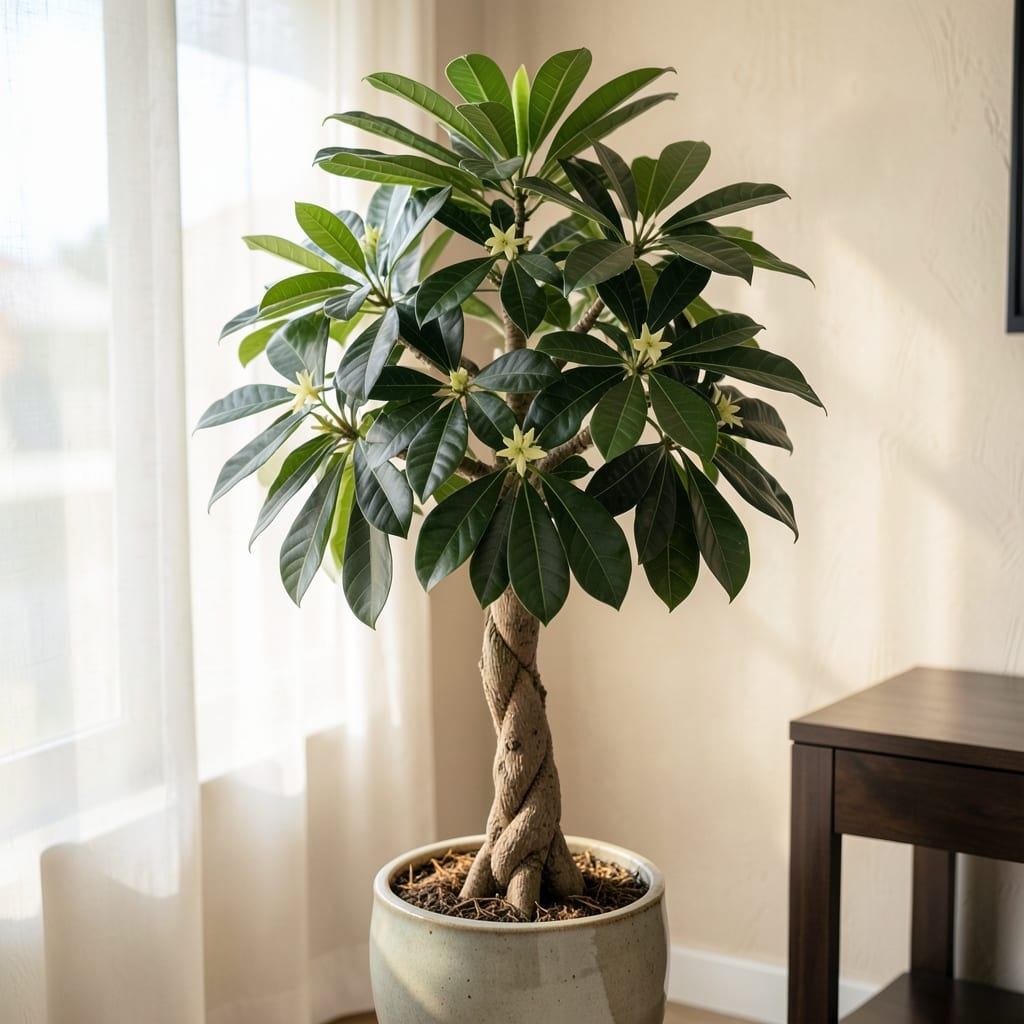
If you’ve ever wondered just how tall your Money Tree 🌿 could grow indoors, the answer might surprise you—it’s not just about luck or genetics, but about the choices you make every day. With the right care, this tropical beauty can stretch from a modest tabletop plant to a towering indoor centerpiece, reaching heights of 6 to 10 feet or more if left unchecked.
But here’s the catch: most people never let their Money Tree reach its full potential because they don’t understand the simple tricks to control its growth. Whether you’re aiming for a compact 2-4 foot bush or a statement-making giant, the key lies in light, pruning, and a few other care secrets I’m about to share.
Let’s dive into what determines your Money Tree’s height—from the factors that speed up or slow down its growth to the pruning techniques that can turn a leggy plant into a perfectly shaped masterpiece. You’ll also discover how to avoid common mistakes that keep your plant stunted or struggling.
By the end, you’ll know exactly how to shape your Money Tree’s future—whether you want it to stay small and manageable or soar to new heights like a jungle giant. Ready to transform your plant care game?

Natural indoor growth height of a Money Tree: what to expect year by year
Your Money Tree 🌿 (Pachira aquatica) can grow surprisingly tall indoors—up to 6 to 10 feet—if given the right conditions. But don’t worry if your space is limited! With proper care, you can keep it compact or let it stretch toward the ceiling. The key is understanding its natural growth patterns and how they change over time.
In its first year, expect your Money Tree to reach 1 to 2 feet tall. This is when it establishes its root system and focuses on vertical growth. If you’re patient, you’ll see rapid progress in the following years, with heights of 2 to 4 feet by year two and 3 to 6 feet by year three. By year five, an unpruned Money Tree can easily surpass 6 feet, especially in bright, indirect light.
Outdoors, Money Trees can grow even taller—up to 50 feet in tropical climates—but indoors, their growth is limited by factors like pot size, light availability, and pruning habits. The good news? You have full control over its height with a few simple adjustments.
Here’s how your Money Tree’s height typically progresses indoors, along with the factors that influence its growth trajectory:
| Year | Expected Height Range | Key Growth Factors |
|---|---|---|
| Year 1 | 1–2 ft | Root establishment, small pot size |
| Year 2 | 2–4 ft | Bright indirect light, consistent watering |
| Year 3 | 3–6 ft | Larger pot, regular fertilization |
| Year 4+ | 6–10+ ft | Unpruned growth, optimal conditions |
One of the biggest misconceptions about Money Trees is that they grow slowly. In reality, they’re fast growers when given the right care. If your plant seems stagnant, check these three factors first: light exposure, pot size, and fertilizer use. A Money Tree in a cramped pot or low-light spot will grow much slower than one with ample space and bright, indirect sunlight.
For example, my Money Tree grew 3 feet in just 6 months after I moved it to a south-facing window (with sheer curtains to filter the light) and upgraded to a 12-inch pot. The difference was night and day! If you’re aiming for a taller plant, focus on providing consistent moisture, nutrient-rich soil, and regular pruning to encourage upward growth.
On the flip side, if you prefer a smaller, bushier Money Tree, pruning is your best friend. By pinching back the tips of new growth, you can keep your plant at a manageable 2 to 4 feet while still enjoying its lush foliage. This technique also helps prevent legginess, which is a common issue for indoor Money Trees.
Light is another critical factor. While Money Trees thrive in bright indirect light, they can still grow—just more slowly—in lower light conditions. If your plant is in a dim corner, expect it to max out at 3 to 4 feet unless you supplement with a grow light. For faster growth, place your Money Tree near an east or north-facing window where it can soak up gentle morning sunlight.
Finally, don’t underestimate the power of seasonal changes. Money Trees grow most actively in spring and summer, with growth slowing down in fall and winter. If you notice your plant’s growth stalling in the colder months, it’s simply entering a natural dormancy phase. Reduce watering and fertilizing during this time to support its health until warmer weather returns.
Understanding these growth patterns will help you set realistic expectations and tailor your care routine to achieve the perfect height for your space. Whether you’re dreaming of a ceiling-high jungle or a cozy tabletop companion, your Money Tree’s growth is entirely in your hands. 🌱
Pruning techniques to control Money Tree height: step-by-step guide for compact or tall growth
If you’ve ever looked at your Money Tree and wondered how to keep it from becoming a 10-foot jungle monster or how to encourage it to grow taller, pruning is your secret weapon. The good news? You can shape your plant’s height with just a few simple cuts and the right timing. Whether you want a compact 3-foot bush or a towering indoor tree, mastering pruning gives you full control.
Pruning isn’t just about chopping off random branches—it’s about encouraging growth in the direction you want. For example, cutting back the top growth stimulates side branches, which keeps your plant bushy and compact. On the other hand, leaving the top unpruned lets your Money Tree grow tall and straight, perfect for creating a statement piece in your living space.
Here’s how to prune for the exact height you desire, along with the tools you’ll need and how to avoid common mistakes that can stress your plant. Let’s get started with the basics.
🪴 Step-by-Step Pruning Guide for Money Tree Height Control
-
Step 1: Choose Your Goal
- For compact growth (2-4 ft): Prune the top 1/3 of the stem to encourage branching.
- For tall growth (6-10 ft): Avoid heavy pruning; trim only to remove dead or leggy branches.
-
Step 2: Gather Your Tools
- Sterilized pruning shears (sharp and clean to prevent disease).
- Rubbing alcohol (to sterilize tools between cuts).
- Garden gloves (optional, for grip and hygiene).
-
Step 3: Time It Right
- Best time: Spring or early summer when the plant is actively growing.
- Avoid pruning in winter when growth slows.
-
Step 4: Make the Cut
- Cut just above a leaf node (where leaves grow) at a 45-degree angle.
- For bushier growth, cut back to a strong branch below the desired height.
-
Step 5: Encourage New Growth
- After pruning, place the plant in bright indirect light to stimulate new shoots.
- Use a balanced fertilizer (10-10-10) to support recovery and growth.
-
Step 6: Air-Layering for Bushier Growth
- Wrap a moist sphagnum moss around a branch and cover with plastic.
- Secure with tape and wait for roots to form (4-6 weeks).
- Once rooted, cut below the moss and pot as a new plant.
Pruning might seem intimidating at first, but with these steps, you’ll be well on your way to shaping your Money Tree into your dream size. Remember, the key is patience—new growth takes time, but the results are worth it. If you’re aiming for a taller tree, avoid heavy pruning and focus on maintaining its natural shape. For a compact bush, regular trimming will keep it neat and full.
One common mistake is pruning too late in the year, which can stunt growth. Always prune in spring or early summer to give your plant plenty of time to recover and grow before the cooler months. With the right approach, your Money Tree will thrive and reach the perfect height for your space.
Now that you know how to control your Money Tree’s height, you’re ready to transform it into the perfect indoor plant—whether it’s a small tabletop buddy or a room-filling giant. Happy pruning! ✂️