
Size
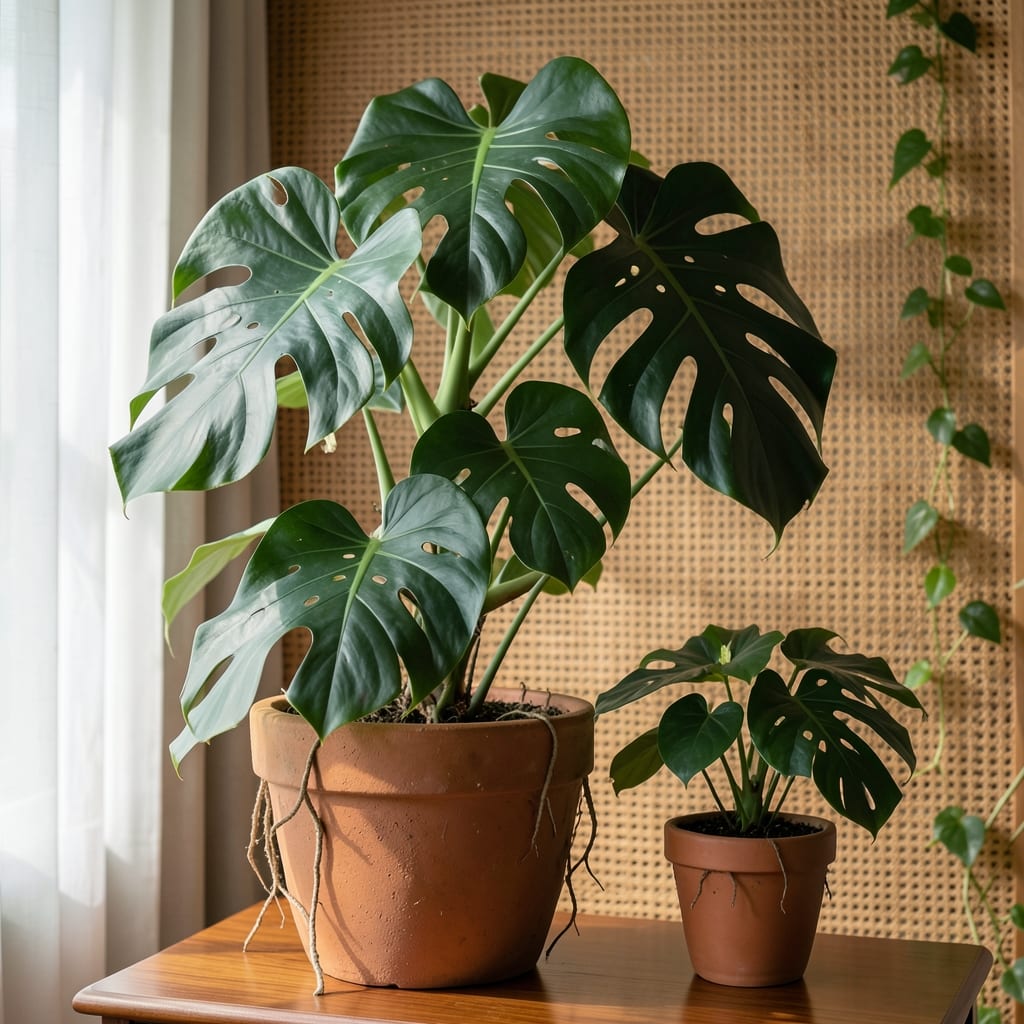
If you’ve ever wondered how tall a monstera can grow before it turns your living room into a jungle, you’re not alone. This tropical beauty can reach heights that will make even the tallest bookshelf look like a tiny table—up to 70 feet outdoors, though indoors, it typically tops out between 6 and 10 feet. But here’s the catch: its growth depends on more than just luck.
The variety you choose makes all the difference. A classic Monstera deliciosa might stretch toward the ceiling, while dwarf varieties like the Thai Constellation stay compact at just 3 to 6 feet. Light, pruning, and even your pot size play a role in how fast—and how tall—your plant climbs. Let’s break down the factors so you can keep your Monstera 🌿 thriving without it turning your home into a rainforest.
Whether you’re dealing with a leggy vine or a slow-growing specimen, understanding these growth patterns helps you manage its size. You’ll learn how to prune for bushier growth, train it to climb, and even spot signs it’s outgrowing its space. Ready to turn your Monstera from a ceiling threat into a stunning centerpiece? Let’s dive in.
From variety comparisons to practical care tips, this guide covers everything you need to know. Whether you’re a first-time plant parent or a seasoned grower, you’ll walk away with the confidence to keep your Monstera 🌿 happy—no matter how tall it gets.


Monstera variety growth charts: how tall each type can reach
If you’ve ever wondered whether your Monstera deliciosa will one day reach your ceiling—or even your roof—you’re not alone! This tropical vine’s height depends heavily on its variety, growing conditions, and care. Some varieties stay compact enough for apartments, while others can become towering jungle giants in ideal settings. Let’s explore the height ranges for the most popular Monstera varieties and what you can expect over time.
Understanding these differences helps you choose the right plant for your space. For example, a Monstera Adansonii might stay under 6 feet indoors, while a Monstera deliciosa can climb to 20 feet or more outdoors. Even indoors, with proper care, it can reach 10 feet in just a few years. Let’s break down the specifics so you can plan accordingly.
🌿
🌱 Monstera Variety Growth Charts
| Variety | Indoor Height (Mature) | Outdoor Height (Mature) | Growth Rate (Year 1) | Notes |
|---|---|---|---|---|
| Monstera deliciosa | 6-10 ft | 20-70 ft | 2-4 ft | Classic variety; needs support to climb. |
| Monstera Adansonii | 3-6 ft | 10-20 ft | 1-3 ft | Smaller leaves; bushier growth habit. |
| Monstera Albo Variegata | 5-8 ft | 15-30 ft | 1.5-3 ft | Variegated leaves; slower growth due to energy demands. |
| Monstera 'Thai Constellation' | 3-5 ft | 8-12 ft | 1-2 ft | Dwarf variety; high-maintenance variegation. |
| Monstera 'White Shadow' | 6-10 ft | 18-25 ft | 2-4 ft | Variegated; needs bright light to maintain color. |
As you can see, the Monstera deliciosa is the tallest variety, capable of reaching 70 feet outdoors in tropical climates. Even indoors, it can grow 10 feet tall if given enough time, space, and proper care. If you’re concerned about height, the Monstera Adansonii or Thai Constellation are excellent choices for smaller spaces, typically staying under 6 feet indoors.
Outdoors, Monsteras thrive in USDA Zones 9-11, where they can grow aggressively. In cooler climates, they’re best kept as houseplants or moved indoors during winter. The key to managing their height is understanding their growth habits early. For example, Monstera deliciosa grows faster in bright indirect light and can double in height each year if given the right conditions.
If you’re growing a variegated variety like the Albo Variegata or White Shadow, expect slightly slower growth. These plants require more energy to produce their white or yellow variegation, which can limit their height compared to solid-green varieties. However, with proper care, they can still reach impressive sizes.
For those with limited ceiling space, consider pruning or training your Monstera to control its height. You can encourage horizontal growth by placing it near a trellis or moss pole, or simply trim it back to maintain a manageable size. This way, you can enjoy the beauty of your Monstera without worrying about it taking over your living room!
🌳
Factors that influence Monstera height: light, pot size & care tips
Your Monstera’s height potential isn’t just about genetics—it’s heavily influenced by your care routine. The right light exposure, container size, and humidity levels can turn a slow-growing vine into a rapid climber. For example, a Monstera Deliciosa in bright indirect light may grow 2-3 feet per year, while one in low light might barely reach 6 inches annually. Let’s break down the key factors shaping your plant’s growth trajectory.
First, sunlight exposure is the #1 game-changer. Monsteras thrive with 6+ hours of bright indirect light daily, which triggers faster cell division in the stems. Place yours near an east- or west-facing window for optimal growth. Too little light? Your plant will stretch leggily, with sparse fenestrations. Too much direct sun? Those stunning leaves can develop scorch marks. Balance is key!
Place 2-3 feet from east/west windows for 2-3 ft/year growth.
Expect 6" or less annually with stretched stems and fewer leaves.
Brown patches appear on leaves; move to filtered light immediately.
Don’t underestimate the power of your pot size either. Monsteras are root-bound climbers, and a cramped container stunts their growth. Upgrade to a pot that’s 2-4 inches wider than your plant’s current root ball every 1-2 years. Pro tip: Use a well-draining mix with perlite or orchid bark to prevent root rot, which can slow growth. Outdoors, Monsteras can sprawl 20+ feet in a single season if given enough space to explore!
Humidity and fertilizer use also play critical roles. Monsteras love 60-80% humidity—mimic their tropical habitat with a pebble tray or humidifier. Skip fertilizing in winter (their growth slows), but feed with a balanced 10-10-10 fertilizer every 4-6 weeks during spring and summer. Over-fertilizing causes leaf yellowing, which diverts energy away from stem elongation. Think of it as giving your Monstera a growth boost without the crash.
Lastly, pruning habits shape your Monstera’s structure. Regularly trimming leggy stems encourages bushier growth, while leaving them be allows vertical expansion. If your plant is outgrowing its space, redirect its energy by training it on a trellis—this channels growth upward instead of sprawling. Just remember: healthy leaves = healthy growth. Remove any yellow or damaged foliage to keep your Monstera thriving at its full potential.
With these care tweaks, you’ll unlock your Monstera’s maximum height potential—whether that’s a 6-foot indoor statement piece or a 70-foot jungle giant outdoors. The choice (and pruners) are yours! 🌿