
How To
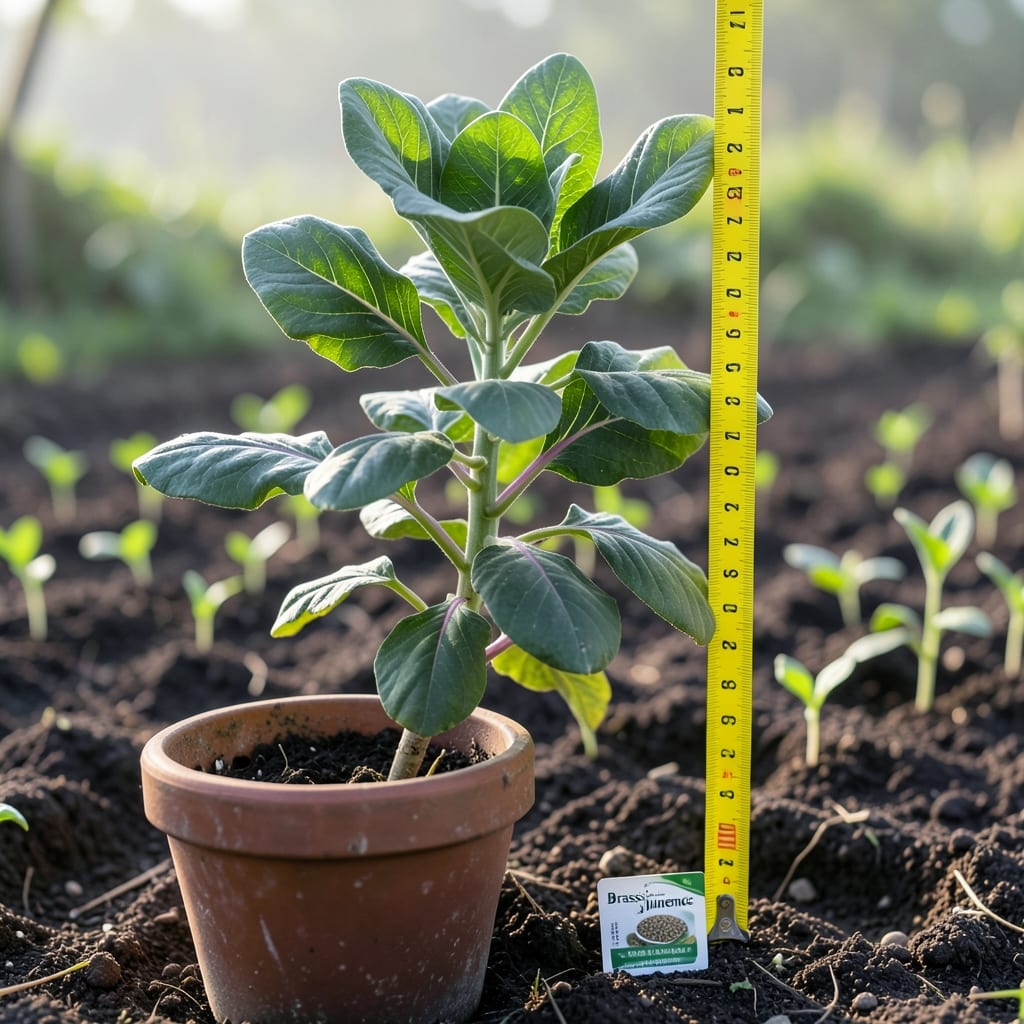
Ever wondered how tall a mustard seed can grow—packed with the potential to become a towering green giant—when given the right conditions? The answer might surprise you: with optimal care, mustard greens 🌱 can reach heights of up to 2 feet, though some hardy varieties even stretch toward 6 feet under ideal circumstances.
This rapid vertical growth isn’t just a quirk of nature—it’s a result of mustard plants’ aggressive root systems and efficient photosynthesis. Whether you’re growing them for their peppery leaves or seed pods, understanding their growth habits can help you maximize your harvest while keeping your garden thriving.
From backyard gardens to large-scale farms, mustard plants adapt to various climates, but sunlight, soil quality, and spacing play a critical role in determining their final height. If you’ve ever planted mustard seeds and watched them shoot up overnight, you’ve witnessed firsthand their explosive growth potential.
In this guide, I’ll break down everything you need to know—from the tallest varieties to practical tips for encouraging height without sacrificing yield. Let’s get growing!

Record-breaking mustard plant heights: tallest varieties and growth conditions
A single mustard seed—often just 1-2 millimeters wide—can sprout into plants reaching heights that dwarf most garden vegetables. While leafy mustard greens typically stay between 12-24 inches, some mustard varieties like Brassica juncea (Indian mustard) and Sinapis alba (white mustard) can soar to 3-6 feet under ideal conditions. These towering specimens are common in agricultural fields and ornamental gardens, where their rapid vertical growth makes them stand out.
The tallest mustard plants often belong to seed-producing varieties rather than leafy greens. For example, Brassica juncea varieties like 'Southern Giant Curled Mustard' can reach 4-5 feet when grown for seed production. Meanwhile, Sinapis alba, the white mustard, can exceed 6 feet in height when cultivated in cool, moist climates with ample sunlight. These heights are far beyond what most home gardeners expect from a tiny seed!
🌱
| Variety | Max Height | Growth Time | Best For |
|---|---|---|---|
| Brassica juncea (Indian Mustard) | 4-5 feet | 60-90 days | Seed production, greens |
| Sinapis alba (White Mustard) | 5-6 feet | 70-100 days | Seed production, ornamental |
| Brassica nigra (Black Mustard) | 3-4 feet | 50-70 days | Seed production, culinary |
| Dwarf Leafy Varieties (e.g., 'Tendergreen') | 8-12 inches | 30-45 days | Salads, container gardening |
🌿 Note: Heights vary based on soil quality, sunlight, and watering.
To achieve these record-breaking heights, mustard plants need specific growing conditions. First, they thrive in well-draining soil with a pH between 6.0-7.0. Sandy loam soils are ideal, as they allow roots to penetrate deeply while preventing waterlogging, which can stunt growth. Second, mustard plants are sun-loving and require at least 6 hours of direct sunlight daily. In hotter climates, partial shade in the afternoon can prevent bolting (premature flowering), but full sun is crucial for maximizing height.
Temperature also plays a critical role. Mustard seeds germinate best in soil temperatures between 50-85°F, with optimal growth occurring in cool to moderate climates (USDA zones 3-9). In warmer zones, planting in early spring or late summer helps avoid the heat stress that can cause plants to bolt before reaching their full height. Conversely, cool climates with long growing seasons allow mustard plants to devote more energy to vertical growth rather than seed production.
Another key factor is spacing. When growing mustard plants for maximum height, space them 12-18 inches apart in rows 2 feet apart. This reduces competition for nutrients and water, allowing each plant to grow taller and stronger. In contrast, crowded conditions lead to shorter, bushier plants that are more prone to disease. For seed-producing varieties, even wider spacing (up to 24 inches) may be necessary to support the weight of heavy seed pods.
🌿
While mustard greens are often grown for their leaves, the tallest varieties are cultivated primarily for their seeds. These plants allocate significant energy to developing long, sturdy stems that support dense seed pods. For example, Sinapis alba can produce thousands of seeds per plant, requiring a robust structure to hold them. If you're growing mustard for culinary or ornamental purposes, focus on varieties like 'Southern Giant Curled Mustard' or 'Red Giant Mustard,' which balance height with leaf and seed production.
For home gardeners, achieving mustard plant heights of 4-6
How to maximize mustard seed growth: pro tips for tall, healthy plants
If you're dreaming of mustard plants that reach skyward like giant stalks, you’ll need more than just patience. The key lies in optimal growing conditions that encourage vertical growth. Start with soil preparation: mustard seeds thrive in loose, nutrient-rich soil with a pH of 6.0-7.0. Amend heavy clay soil with compost or sand to improve drainage, as waterlogged roots can stunt growth. A balanced fertilizer (like 10-10-10) applied at planting and again after 4-6 weeks provides the nutrients needed for tall, sturdy stems.
Sunlight is non-negotiable for mustard plants aiming for height. Place your seedlings in a spot with at least 6 hours of direct sunlight daily. In hotter climates, provide afternoon shade to prevent bolting (premature flowering), which diverts energy away from stem growth. If growing in containers, choose large pots (12+ inches deep) to accommodate deep roots and ensure stability as plants reach 4-6 feet.
💧
🌱 Pro Tip: Watering for Height
Mustard plants need consistent moisture but never soggy soil. Water deeply 2-3 times per week, aiming for 1 inch of water per week. In summer heat, increase frequency to daily watering in the morning to prevent stress. Avoid wetting the leaves to reduce fungal risks, which can weaken stems and limit height.
Spacing is another game-changer. For tall mustard varieties, space plants 12-18 inches apart in rows 2 feet apart. This reduces competition for nutrients and sunlight, allowing stems to grow tall and strong. If growing for seed production, increase spacing to 24 inches to support heavy seed pods. In contrast, crowded plants will grow shorter and bushier, sacrificing height for leaf production.
Temperature control is critical, especially in warm climates. Mustard seeds germinate best in soil temps between 50-85°F, but excessive heat can trigger bolting. Plant in early spring or late summer to avoid summer heat stress. In cool climates, mustard plants can grow taller because they focus energy on stem development rather than flowering. If you notice yellowing leaves or early flowering, your plants may be bolting—a sign they’re stressed by heat or poor soil conditions.
Finally, pruning and support can help mustard plants reach their full potential. For tall varieties, install stakes or trellises early to provide support as stems grow. Gently tie the main stem to the stake as it elongates to prevent snapping under the weight of seed pods. Avoid heavy pruning, as mustard plants rely on their leaves for energy. Instead, remove only damaged or diseased leaves to maintain airflow and stem strength.
With these pro tips, your mustard seeds can grow into towering plants that rival the tallest varieties—whether you're aiming for culinary greens or ornamental height! 🌿