
Size
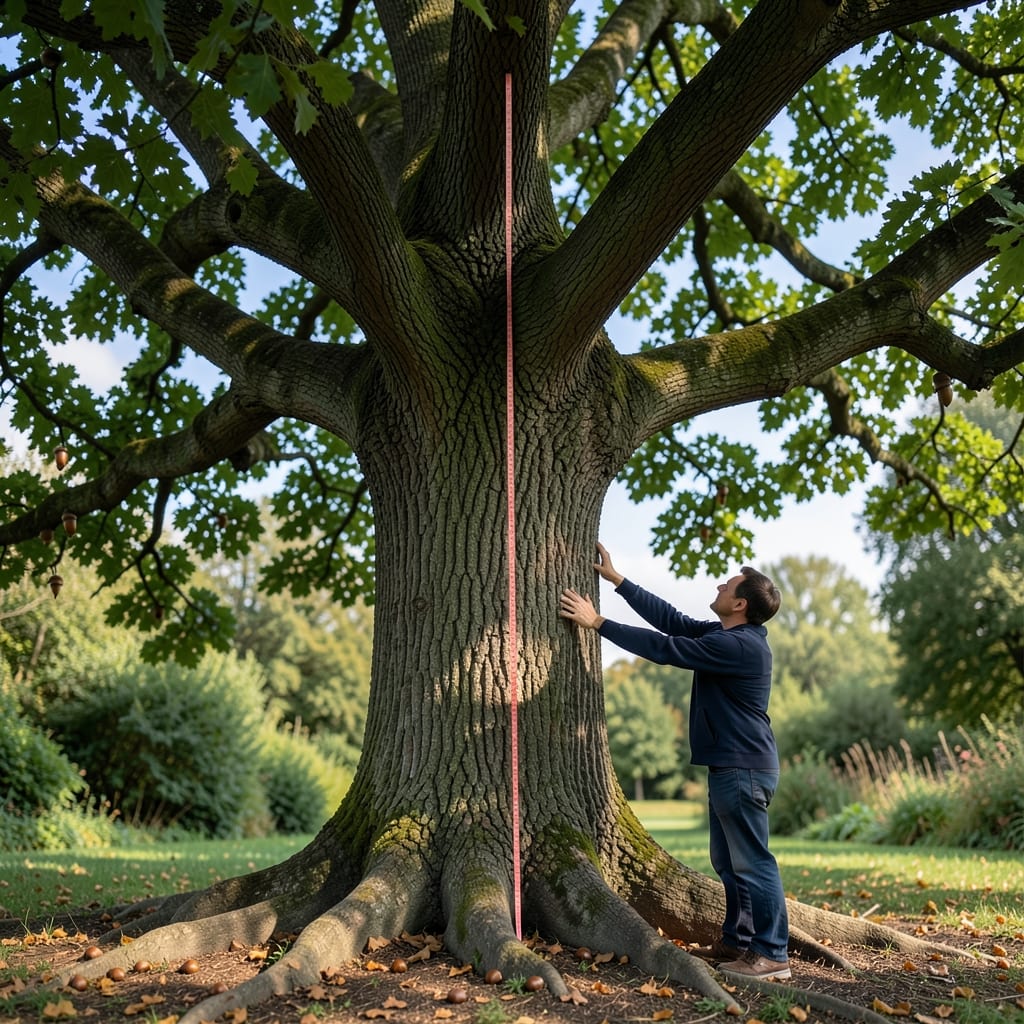
Record heights of oak tree species: tallest oaks in the world
Oak trees are nature's skyscrapers, with some species reaching heights that dwarf even the tallest buildings. The tallest oak trees can grow between 60 to over 100 feet, depending on the species and growing conditions. These majestic giants aren't just tall—they're also incredibly long-lived, with some specimens living for hundreds of years while continuing to grow.
Among the most impressive is the white oak (Quercus alba), which holds records for some of the tallest specimens in North America. In contrast, coast live oaks (Quercus agrifolia) thrive in coastal climates and can reach similar heights with their sprawling canopies. Understanding these height differences helps gardeners and landowners make informed decisions about which oak species to plant based on their available space.
🌳
| Species | Record Height | Location | Growth Rate |
|---|---|---|---|
| White Oak (Quercus alba) | 100+ ft | North America (Ohio, Michigan) | 1-2 ft per year (young) |
| Coast Live Oak (Quercus agrifolia) | 80-100 ft | California coast | 2-3 ft per year (optimal conditions) |
| Red Oak (Quercus rubra) | 75-90 ft | Eastern U.S. (New York, Pennsylvania) | 1-1.5 ft per year |
| Bur Oak (Quercus macrocarpa) | 60-80 ft | Midwestern U.S. | 1 ft per year (slow but steady) |
| Pin Oak (Quercus palustris) | 60-70 ft | Southeastern U.S. | 1.5-2 ft per year (young trees) |
🌳 Note: Heights vary by location and growing conditions.
The white oak often leads the pack in height, with some specimens in Ohio and Michigan exceeding 100 feet. These trees thrive in well-drained soils and benefit from full sun exposure, which accelerates their vertical growth. In contrast, coast live oaks grow more slowly but can still reach impressive heights, especially in the mild climates of California's coastal regions.
If you're considering planting an oak tree, it's essential to research the mature height of the species you choose. For example, a red oak typically matures between 75 to 90 feet, while a bur oak may only reach 60 to 80 feet. These differences can significantly impact your landscape planning, especially in urban or suburban settings where space is limited.
🌿
One of the most fascinating aspects of oak trees is their ability to grow in diverse climates. For instance, coast live oaks thrive in coastal climates with high humidity and mild winters, while white oaks prefer continental climates with distinct seasons. These environmental factors play a crucial role in determining how tall an oak tree can grow in a specific location.
For gardeners looking to maximize height, creating optimal growing conditions—such as well-draining soil, full sun exposure, and regular watering—can encourage faster and taller growth. However, it's important to remember that oak trees are long-term investments. It can take decades for an oak to reach its full height, so patience and consistent care are key.
🪴
In addition to height, oak trees are celebrated for their lifespan and ecological benefits. Many oak species can live for 200 to 300 years, providing shade, wildlife habitat, and aesthetic value for generations. Whether you're planting an oak for its height, longevity, or ecological contributions, understanding these growth patterns will help you make the best choices for your garden or property.
Factors that influence oak tree height: soil, climate, and care
Oak trees don’t grow to their maximum height by accident—they thrive when given the right conditions. The soil composition, climate zone, and even your pruning habits play pivotal roles in determining how tall your oak can become. Let’s break down the key factors that turn a sapling into a towering giant.
First, soil quality is non-negotiable. Oaks prefer well-draining, slightly acidic soil (pH 5.0–7.0). Compacted or waterlogged soil stunts root growth, limiting the tree’s ability to absorb nutrients and water. If your soil is heavy clay, amending it with organic matter like compost can make all the difference for a future skyscraper of a tree.
Sunlight exposure is another game-changer. Oaks crave full sun (6+ hours daily), but they can tolerate partial shade—though this will cap their height. In shady spots, expect growth rates to slow significantly, and branches may become sparse. For maximum height, plant your oak where it gets unobstructed sunlight for most of the day.
Water needs shift as your oak matures. Young trees require deep, consistent watering (10–20 gallons weekly), while established oaks become drought-tolerant. Overwatering, however, can suffocate roots, so always let the top 2–3 inches of soil dry out between waterings. Mulching around the base helps retain moisture and regulate soil temperature.
🌳
Don’t overlook pruning techniques, either. Prune in late winter to remove dead or crossing branches, which can limit height by diverting energy. Avoid heavy pruning, as it can weaken the tree and stunt growth. Instead, focus on structural shaping to encourage a single, dominant leader (the central trunk) that reaches for the sky.
Finally, climate plays a role. Oaks in cooler climates (like zones 4–6) often grow taller because slower growth rates produce straighter, stronger trunks. In warmer zones (7–9), oaks may grow wider instead of taller due to increased energy allocation to foliage. If you’re in a hot, dry region, consider drip irrigation to support consistent growth.
With the right conditions, your oak could one day rival the tallest recorded specimens—but it starts with understanding these foundational factors. Give your tree the care it deserves, and watch it reach new heights over decades. 🌿