
Size
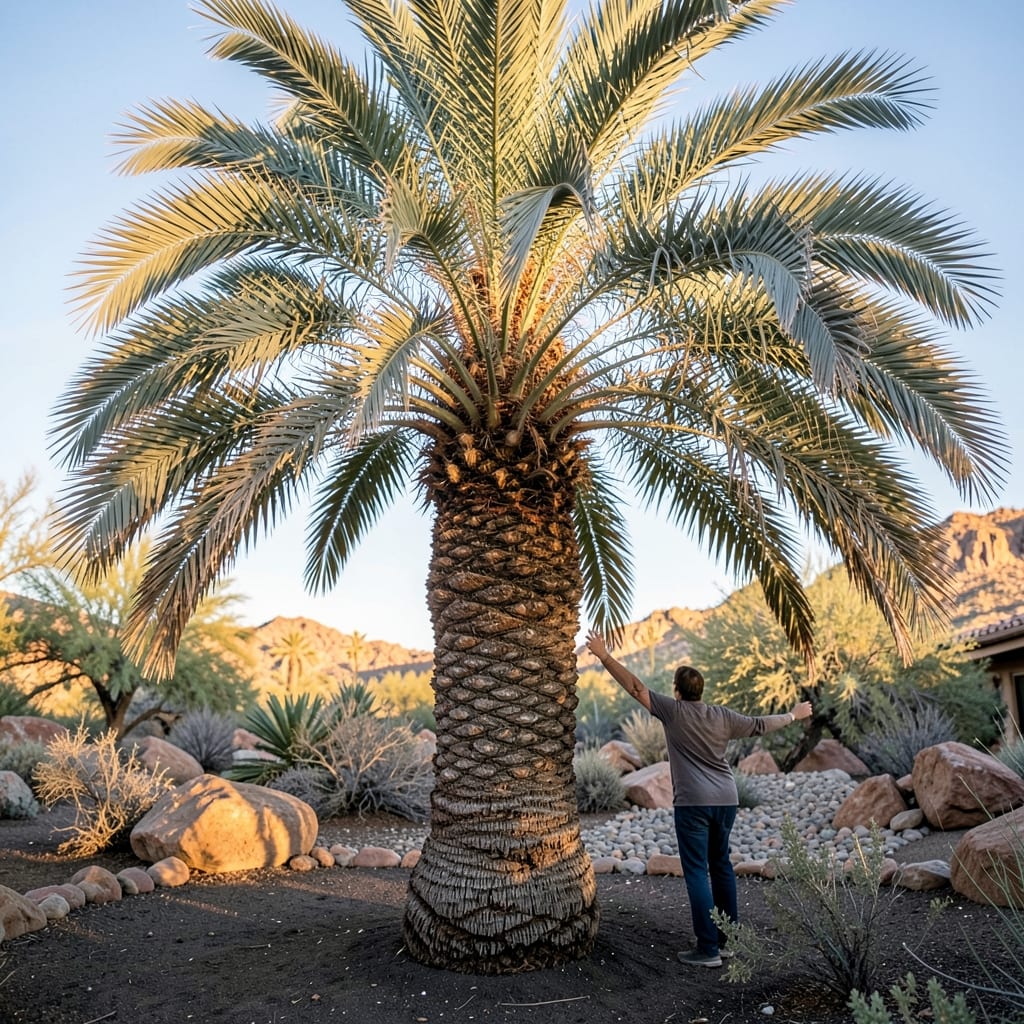
Palm tree height by species: from dwarf varieties to towering giants
When you picture a palm tree, your mind might jump to the towering coconut palms of tropical beaches or the elegant California fan palms lining boulevards. But did you know some palms stay small enough to fit in a container garden? The truth is, palm tree height varies wildly by species, from waist-high dwarfs to skyscraper-rivaling giants. Let’s explore the stunning range and what it means for your garden.
Palm trees are often categorized by their mature height, which helps gardeners choose the right variety for their space. Dwarf palms (6–15 feet) are perfect for patios or small yards, while medium palms (20–50 feet) work well as focal points in larger landscapes. Then there are the giant palms (100–200+ feet), which are more suited for tropical resorts or urban canyons than suburban backyards.
The Pygmy Date Palm is a classic example of a dwarf variety, rarely exceeding 10–12 feet in height, making it ideal for container gardening or small urban spaces. Its slow growth rate and compact size mean you won’t need to worry about it outgrowing your patio in a few years. In contrast, the California Fan Palm can reach 60–80 feet in its native habitat, with some specimens towering over 100 feet—a true skyscraper of the plant world.
If you’re dreaming of a tropical oasis but have limited space, consider the Bottle Palm or Parlor Palm, both of which thrive in containers and stay under 15 feet. These varieties are perfect for adding a touch of the tropics to balconies or indoor spaces with bright light. For a bolder statement, the Windmill Palm (20–30 feet) adds dramatic arching fronds to larger gardens without dominating the landscape.
On the other end of the spectrum, the Royal Palm and Coconut Palm are the giants of the palm world, often exceeding 150 feet in height. These palms are not just about height—they’re architectural marvels with massive trunks and lush canopies that provide shade for entire streets. If you’re planting one in your yard, plan for long-term growth and ensure there’s plenty of vertical clearance for power lines and roofs.
Choosing the right palm tree for your space isn’t just about height—it’s also about climate compatibility and maintenance needs. For example, the Mediterranean Fan Palm (20–30 feet) thrives in USDA Zones 8–11 and is drought-tolerant once established, while the Coconut Palm requires tropical climates (Zones 10–11) and consistent humidity. Always check your local climate zone before selecting a species to avoid disappointment.
Pro tip: If you love the look of tall palms but don’t have the space, opt for a dwarf variety or consider pruning techniques to manage height. Some palms, like the Needle Palm, respond well to selective pruning to keep them at a manageable size while maintaining their ornamental appeal. We’ll dive deeper into height control strategies in the next section.
🌴
What determines a palm tree’s height: 5 key factors beyond species
When you picture a palm tree, you might imagine a towering tropical giant—but not all palms reach skyscraper heights. While species play a role, five critical factors beyond genetics determine how tall your palm tree will grow. Understanding these will help you nurture a healthy palm, whether you want a compact backyard specimen or a towering landscape centerpiece.
First, sunlight exposure is non-negotiable. Palms thrive in full sun (6+ hours daily), but too little light stunts growth. For example, a Canary Island Palm in partial shade may max out at 30 feet instead of its full 60-foot potential. In hot climates, afternoon shade prevents stress while still allowing morning sun for energy production.
Next, soil quality directly impacts root development. Palms need well-draining, slightly acidic soil (pH 5.5-6.5) to prevent root rot, which can halt growth entirely. Amend heavy clay soil with compost or sand to improve aeration. For instance, a Mediterranean Fan Palm in poor soil might struggle to exceed 20 feet, while the same palm in enriched soil could reach 30 feet.
Watering habits often make or break a palm’s height potential. Deep, infrequent watering (1-2 inches weekly) encourages deep root systems, while shallow, frequent watering leads to weak, stunted growth. Overwatering is a common mistake—soggy soil suffocates roots and invites fungal diseases, which can reduce a palm’s mature height by up to 50%. Use a moisture meter to check soil levels before watering.
Pruning might seem counterintuitive for height control, but strategic trimming can either boost or limit growth. Removing dead or yellow fronds redirects energy upward, helping palms reach their full potential. However, aggressive pruning—like cutting healthy fronds—can reduce a palm’s height by 10-20 feet and leave it vulnerable to pests. Always use sterilized pruners and avoid cutting more than one-third of the fronds at once.
Finally, climate zones play a surprising role. Palms in USDA zones 9-11 grow rapidly, while those in cooler zones (like zone 8) may grow 40-60% slower. For example, a California Fan Palm in Southern California might hit 80 feet, but the same palm in Florida’s humid climate could max out at 60 feet due to slower nutrient absorption. If you’re in a cooler zone, mulching and winter protection can help offset slower growth.
By mastering these five factors, you can maximize or control your palm’s height—whether you’re aiming for a compact patio palm or a towering tropical statement piece. Start with the right species for your space, then fine-tune the conditions to watch your palm thrive.