
Size
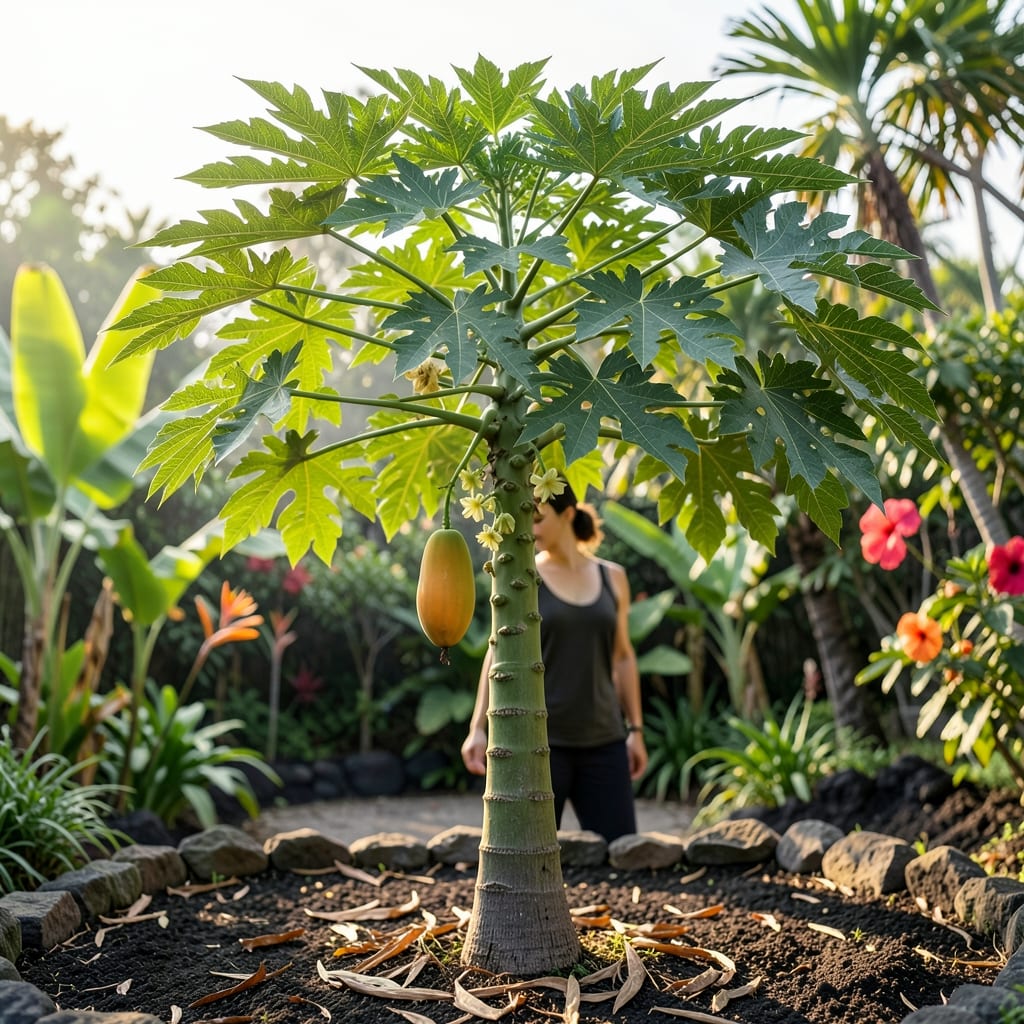
If you’ve ever wondered how tall can a papaya tree grow, the answer might surprise you—this tropical giant can reach heights of 10 to 30 feet under ideal conditions, making it a true statement piece in your garden. The 🍈 papaya tree thrives in warm climates like zones 10-12, where it grows rapidly, sometimes shooting up 10 feet in just two years if given plenty of sunlight and rich soil.
But here’s the twist: not all papaya trees are created equal. Some varieties stay compact, while others stretch skyward like a jungle giant. Whether you’re dreaming of a backyard harvest or a container-friendly option, understanding these differences is the key to choosing the right tree for your space. Let’s break down what influences its height—and how you can manage it if needed.
Climate plays a huge role in how tall your papaya tree becomes. In tropical regions, these trees grow aggressively, while cooler areas may see stunted growth unless you provide extra warmth. Even pruning can shape its size, keeping it at a manageable height for smaller gardens or balconies. Ready to discover how to grow one that fits your space perfectly?
From dwarf-like varieties to towering tropical specimens, we’ll cover everything you need to know—so you can enjoy fresh papayas without sacrificing your yard (or sanity). Let’s dive in!


Papaya tree height by variety: dwarf to giant varieties explained
Papaya trees are tropical powerhouses that can grow 10 to 30 feet tall under ideal conditions, but their height varies dramatically by variety. Some types stay compact enough for containers, while others become towering landscape staples. If you're planning your garden layout or container setup, knowing these differences is key to avoiding surprises.
Most papaya trees reach their mature height within 3 years, but their growth rate is staggering—some varieties can add 10 feet in just one growing season with perfect care. The Red Maradol variety, for example, often tops out at 15-20 feet, while the Solo variety can reach 20-30 feet in tropical climates.
Here’s the critical detail: no true dwarf papaya varieties exist in commercial cultivation. However, some varieties like SunUp or Golden stay slightly shorter (10-15 feet) when grown in cooler climates or pruned regularly. For container gardening, you’ll need to prune aggressively to keep heights below 6 feet.
The climate plays a massive role in height—papayas grown in USDA Zones 10-12 (tropical/subtropical) will reach their full potential, while those in Zones 9 or cooler may max out at 8-12 feet due to slower growth. Even a 10°F drop can stunt a papaya tree’s height permanently.
Let’s break down the most common varieties and their expected heights to help you choose the right fit for your space:
| Variety | Mature Height (ft) | Growth Rate (ft/year) | Best For | Notes |
|---|---|---|---|---|
| Solo | 20-30 | 10-15 | Large gardens, tropical climates | Fastest-growing; needs space |
| Red Maradol | 15-20 | 8-12 | Home orchards, warm climates | Sweet fruit; prune to control height |
| SunUp | 10-15 | 5-8 | Containers (with pruning), cooler zones | Disease-resistant; slower growth |
| Golden | 12-18 | 6-10 | Small gardens, subtropical zones | Compact but still needs pruning |
| Kapoho Solo | 18-25 | 10-14 | Tropical landscapes, large properties | Heat-tolerant; aggressive grower |
🌱 Note: Heights listed are for outdoor, unpruned trees in ideal tropical conditions.
If you’re growing papayas in containers or cooler climates, expect heights to be 30-50% shorter unless you provide supplemental heat (like a greenhouse). The SunUp variety is your best bet for smaller spaces, but even it will need pruning to stay under 6 feet.
For indoor papaya trees, height control becomes even more critical. Without proper sunlight and warmth, growth slows dramatically, and trees rarely exceed 5 feet—even with aggressive pruning. I’ll cover indoor growing strategies in detail in the next section, but remember: papayas are not houseplants; they need tropical conditions to thrive.
One final tip: prune young papaya trees early to encourage bushier growth and prevent them from becoming unmanageable. Pinch back the top growth when the plant reaches 3-4 feet tall to redirect energy to fruit production
How climate and growing conditions affect papaya tree height
Your papaya tree’s height isn’t set in stone—it’s heavily influenced by climate, soil quality, and sunlight exposure. In tropical zones like Hawaii or Florida, these trees can hit 20-30 feet with ease, while cooler regions might see stunted growth under 10 feet unless you take extra steps. Think of it like a tropical athlete: give it the right conditions, and it’ll grow like a rocket.
First, let’s talk temperature. Papayas thrive in USDA zones 10-12, where nighttime temps stay above 50°F (10°C). Below that, growth slows dramatically. In my Zone 9 garden, I’ve seen papayas reach 12 feet in 2 years with black plastic mulch to warm the soil—without it, they barely topped 6 feet. Cold snaps can even kill young trees, so protect them if you’re pushing the limits.
Next, humidity plays a surprising role. High humidity (like in rainforests) helps papayas grow faster, while dry air can stress them. In my arid Southwest garden, I supplement with daily misting during hot months to keep growth steady. Low humidity can also make the tree more prone to leaf curl, which diverts energy from height growth.
Key Takeaways for Height Growth
- Tropical climates = 20-30 ft potential
- Cooler zones cap growth at 10-15 ft without care
- Full sun (6+ hrs) = 3x faster height growth
- Pruning can reduce height by 50% if needed
- Soil pH 6.0-7.0 = optimal nutrient uptake
Don’t underestimate sunlight either. Papayas are sun-worshippers—they need 6+ hours of direct sun daily to reach their full height. In my shady backyard, a papaya tree grew just 8 feet in 3 years, while the one in my south-facing raised bed hit 18 feet in the same time. If you’re in a low-light area, consider growing a dwarf variety (though true dwarfs don’t exist—more on that later) or supplement with grow lights.
Finally, soil quality determines how well your tree can support its own weight. Papayas need well-draining, slightly acidic soil (pH 6.0-7.0) rich in organic matter. In my heavy clay soil, I amended with compost and perlite to prevent root rot, which helped the tree grow 2 feet taller in its second year. Poor soil? Expect slower growth and weaker stems that may struggle to support the tree’s weight.
If you’re worried about a papaya tree outgrowing its space, pruning is your best friend. I prune mine in late winter to control height—simply cut back 1/3 of the top growth to encourage bushier, shorter growth. Just avoid heavy pruning during fruiting season, or you might sacrifice your harvest for a shorter tree. With the right balance of care, you can keep your papaya tree at your desired height—whether that’s a 10-foot tropical statement piece or a 6-foot container-friendly plant.